Florence's Fountain of Bacchino: a Renaissance work where city water meets allegory
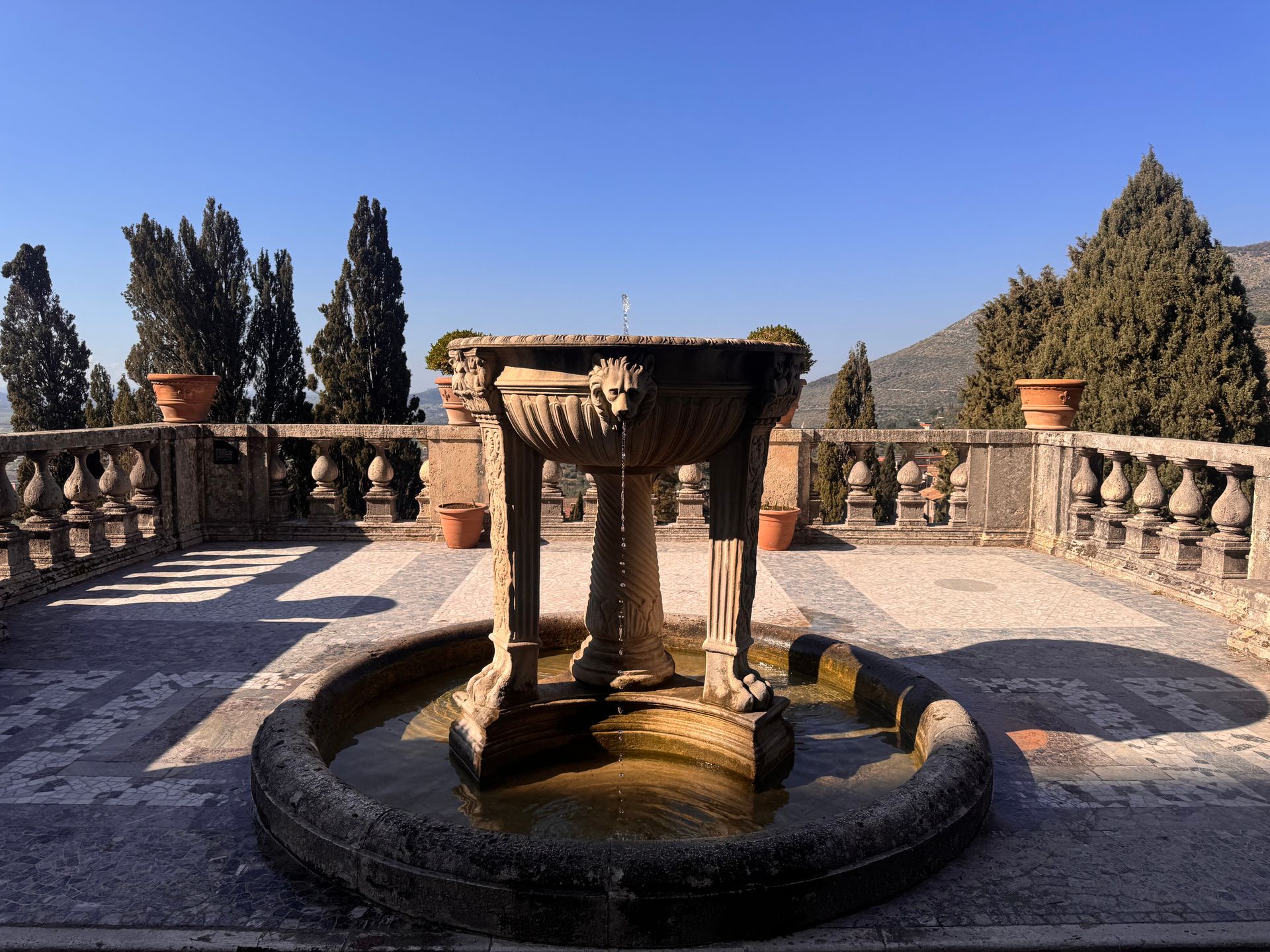
At the entrance to Florence's Boboli Gardens, part of the Pitti Palace complex, stands a small but striking work: the Fountain of Bacchino. The Atlas Obscura profile makes the case that the fountain is neither as minor as it looks at first glance nor as marginal as the tourist maps mark it.
The fountain's central figure is a bronze sculpture of Cosimo I de' Medici's court dwarf, Pietro Barbino, seated on a tortoise. The sculpture was made in the mid-16th century by Valerio Cioli. The name Bacchino translates as "little Bacchus," but the figure is more a courtly portrait than a classical wine-god representation.
The fountain's history is part of Medici dynasty work on Florence's urban infrastructure. Cosimo I de' Medici (1519-1574) invested substantially in Florence's sewage, water distribution and urban hydraulic systems. These investments included adapting the advanced engineering of Roman water systems to Florence.
The fountain is both functional and representational. Functionally, it was the first water source for visitors arriving at Boboli Gardens through the western entrance. Representationally, it is an understated but visible symbol of Medici patronage, signalling both the family's familiarity with court life and its claim on the classical cultural tradition.
A short note on Valerio Cioli: the sculptor, who lived from 1529 to 1599, worked with Bartolomeo Ammannati and later with Giambologna. Cioli was not one of the leading sculptors of the era, but he left his hand on numerous public works under Medici patronage. Other Cioli pieces in Boboli include the Fontana del Mostaccino and several smaller figures.
Iconographically, the consensus is that the fountain reflects late Renaissance Florentine court culture. Suzanne Butters' "The Triumph of Vulcan: Sculptors' Tools, Porphyry, and the Prince in Ducal Florence" (1996) treats Bacchino as a specific allegory of Medici court culture. The role of court dwarves in Renaissance court life is itself an important topic in the social history of the period.
The restoration history is long. Small maintenance work was done in the 18th century under the Lorraine dynasty. The setting was reorganised in the 19th century. Two major restoration campaigns took place in 1972 and 2004; the second was carried out using the standard methods of the Opificio delle Pietre Dure to reverse pollution effects and stabilise the patina.
In the wider Florentine urban water picture, the Bacchino is a symbolic node. Boboli, Forte Belvedere and the Pitti Palace complex were the Medici ducal stronghold; the water infrastructure supplied this complex. In the same period, Ammannati's Neptune Fountain (Piazza della Signoria) and Giambologna's fountains shaped the visual language of Medici patronage.
The Historic Centre of Florence on the UNESCO World Heritage list (1982) covers the Bacchino as part of the protected ensemble. The Boboli Gardens were added separately in 2013 to the UNESCO World Heritage list under "Medici Villas and Gardens in Tuscany."
For comparison, the Uffizi gallery receives around 2 million visitors a year; Boboli Gardens draw more than 1.5 million. For most visitors, the Bacchino is a short stop; but the story of Medici infrastructure policy beneath the sculpture is essential to understanding the complex.
Context for Turkish readers: in Ottoman-era Istanbul, the Tophane Fountain and the Üsküdar Sultan Ahmed III fountain, commissioned by Sultan Ahmed III (1718-1730), offer a comparable combination of urban water infrastructure investment with courtly representation. The aesthetic shifts of the Tulip Era and the late Renaissance patronage in Florence offer rich material for comparative studies of how urban infrastructure and aesthetic design developed together.
Read next
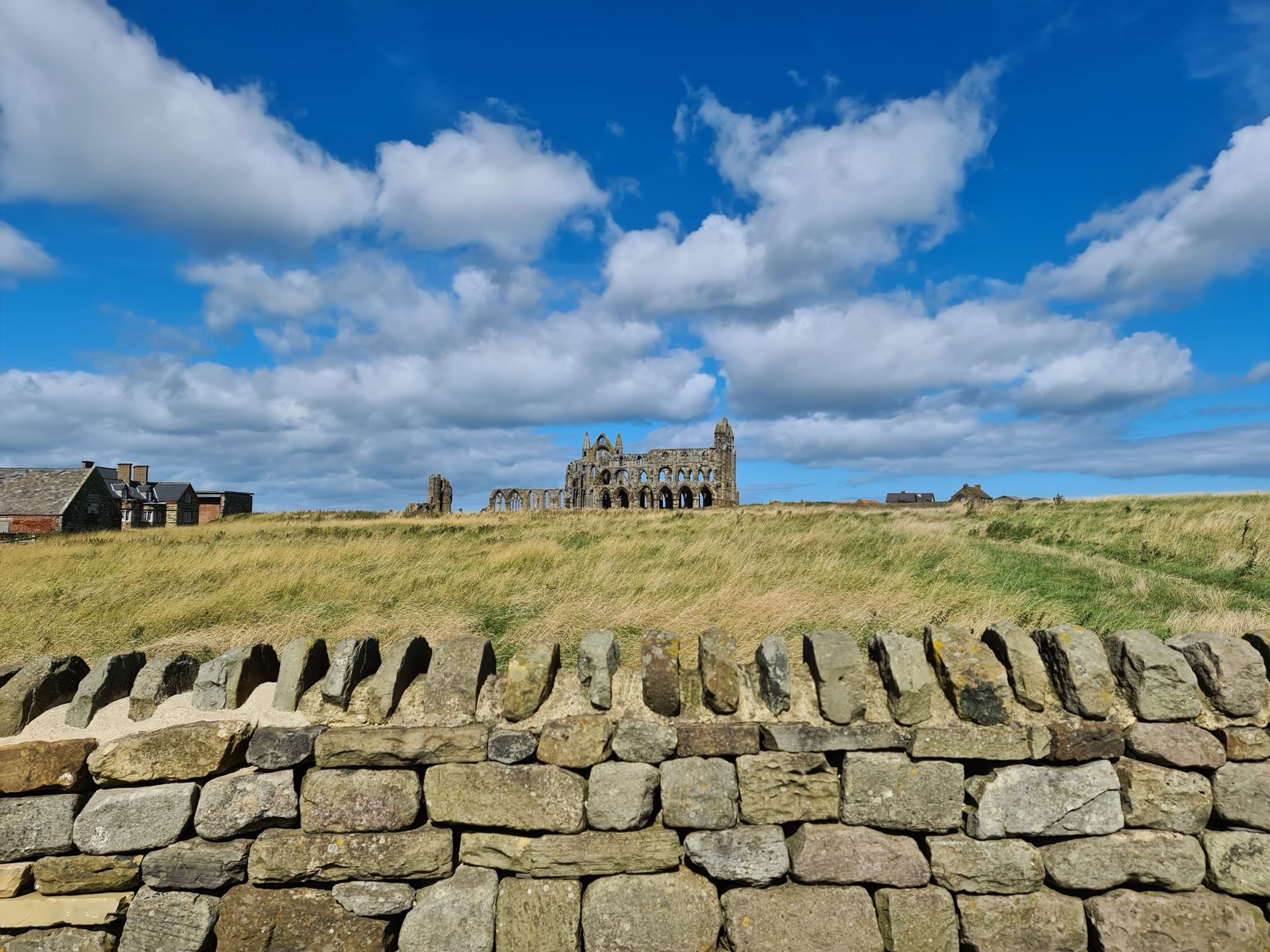
Cerne Abbey: the 1,000-year story of an English monastic ruin
Cerne Abbey, in the village of Cerne Abbas in Dorset, holds the remains of a Benedictine monastery founded in 987. Henry VIII's Dissolution of the Monasteries flattened most of the buildings; the surviving gardens and ruins now form a small cultural pilgrimage.

British intelligence and Cold War disinformation: the story of the Information Research Department
The Information Research Department, set up by the British government in 1948, was a little-known unit running disinformation operations through the Cold War. A new HistoryExtra feature examines how it worked and the historiographical debate it has left behind.

The real history behind William Morris's designs: a Victorian rebel's reconciliation with nature
Strawberry Thief, Trellis, Willow Bough — William Morris's designs still sell as wallpaper and fabric today. A new HistoryExtra video-format analysis traces how Morris's philosophical opposition to the industrial revolution shaped his nature-led patterns and the workshop methods behind them.

What if the Soviets had reached the Moon first? The real history behind the alternative space race
Apollo 11's Moon landing in 1969 became one of the Cold War's defining moments. This HistoryExtra long-read examines why the Soviet lunar programme fell short and how the wider Cold War might have shifted if a Soviet cosmonaut had instead stepped onto the Moon first.

Yarm Castle: how an English engineer built a miniature Norman keep in his own back garden
Yarm Castle near Stockton-on-Tees is not a medieval fortress: it is a late 19th-century project by a local engineer who spent years building a miniature Norman-style keep in his own garden. Atlas Obscura's profile traces the story of a Victorian-era passion for medieval craft.
