Ip Man's grave in Hong Kong: the quiet resting place of a Wing Chun master
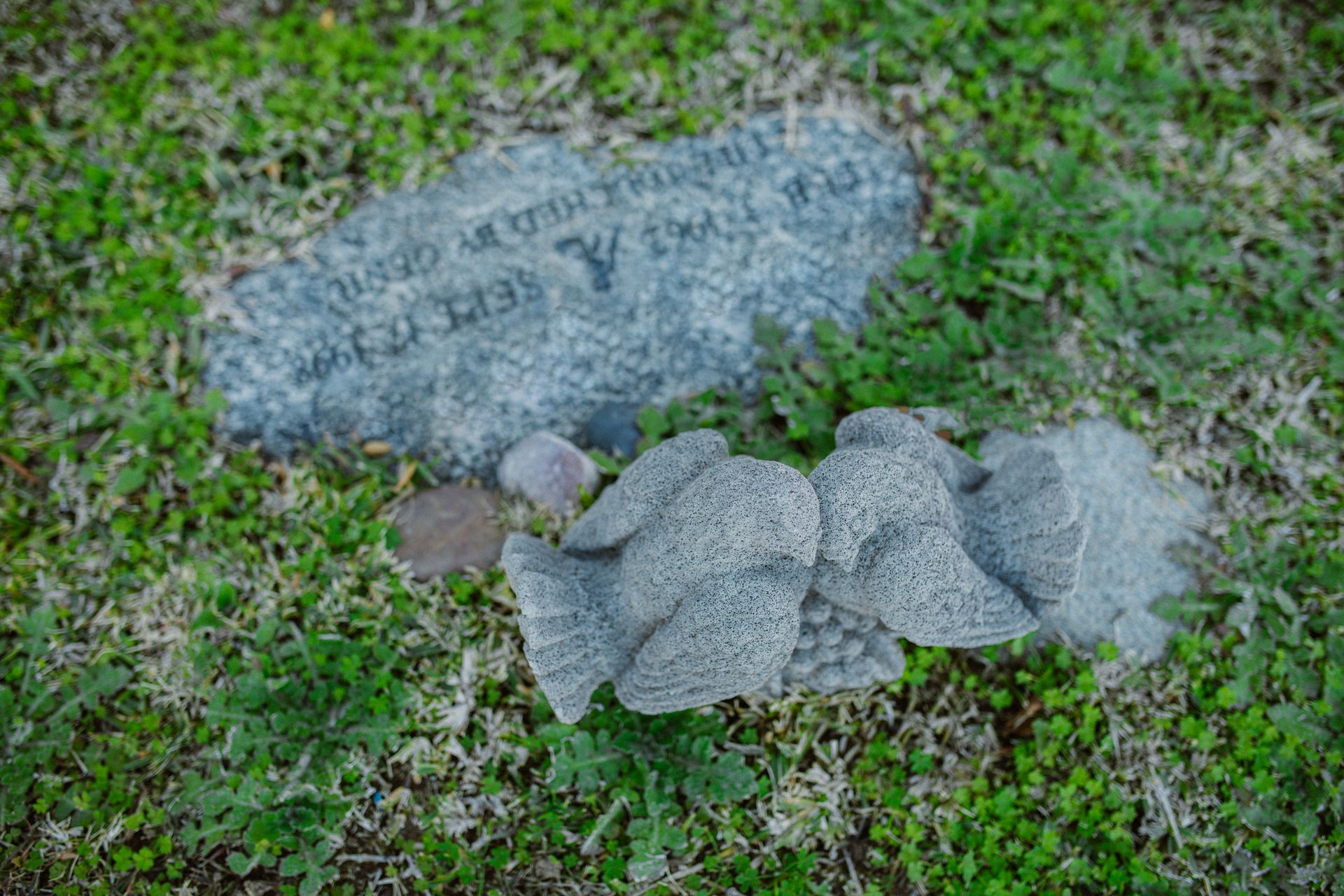
Among Hong Kong's northern suburbs, in a small town called Fanling, a corner of the Po Fook Hill Cemetery on a hillside holds a modest grave. The inscription is plain and clear: "葉問之墓" — the grave of Ip Man. Ip Man (Ye Wen), who died of throat cancer in 1972 at the age of 79, was the master who did the most to bring Wing Chun martial arts to worldwide recognition in modern times.
Ip Man was born in 1893 in Foshan, Guangdong province, China, into what was for the period a traditionally wealthy Hakka family. His father Ip Oi-dor was one of the leading merchants of the city; the family's social standing gave Ip Man, during his childhood and adolescence, access to Chan Wah-shun, one of Foshan's leading Wing Chun masters (himself a 16th-generation master). Chan accepted Ip as a pupil, and the young Ip received the full Wing Chun training from the age of eight to the age of twenty.
When the Chinese Communist Party took control of Foshan during the 1948 phase of the Chinese Civil War, Ip Man left his family in Foshan and emigrated to Hong Kong. Struggling economically, his family did not accompany him; Ip Man would continue for decades to write letters to his wife Cheung Wing-shing. The first Wing Chun studio he opened in Hong Kong was on the third floor of a building next to a year-round restaurant in Lai Chi Kok in 1950. Among his early students was an 11-year-old Lee Jun-fan (the future Bruce Lee), who attended regularly from 1954 to 1958.
Ip Man's teaching style is recognised for the changes he made to Wing Chun's traditional academic method. Wing Chun's core principles — direct-line striking, attack at very short distance, economy of body structure — were brought into modern form in Ip Man's hands. The three principal forms he taught are: Siu Nim Tau (Little Idea Form), Chum Kiu (Seeking Bridges) and Biu Gee (Thrusting Fingers). These forms are today learned by roughly four million Wing Chun practitioners worldwide.
Fourteen of Ip Man's students in Hong Kong played a foundational role in spreading Wing Chun across the world. The most important were Wong Shun-leung (Bruce Lee's later trainer), Leung Ting (the figure who spread Wing Chun in Europe in the 1970s), Ip Chun (Ip Man's son and now president of the Hong Kong Wing Chun Federation), William Cheung (who introduced Wing Chun to Australia) and Hawkins Cheung. The technical differences in interpretation among these five students underpin the various schools of modern Wing Chun.
After Ip Man's death, Wing Chun's global visibility accelerated. In 2008, the film Ip Man directed by Wilson Yip, starring Donnie Yen, was released and produced one of the most enduring representations of martial arts in international popular culture. The film and its three sequels (Ip Man 2, 3 and 4) earned approximately US$540 million at the global box office. Yen told Atlas Obscura in an interview that he had spent two years training with Ip Chun in Hong Kong before taking on the role.
The grave in Fanling receives about 200 visitors a week; the figure rises sharply on Bruce Lee's birthday (27 November) or on the day of Ip Man's death (2 December). According to the Atlas Obscura guide's figures, around half the visitors are Wing Chun practitioners, a third are Bruce Lee enthusiasts, and the remainder are local Hong Kong tourists. Practitioners commonly perform the traditional Wing Chun salute at the grave (a closed right fist resting in the open left palm).
Ip Man's legacy reached global media culture through Bruce Lee. From 1958, when he entered the Hong Kong cinema industry, and later from 1971 when he moved into Hollywood, Bruce Lee placed Wing Chun's foundations inside his own system, which he developed under the name Jeet Kune Do. Despite Lee's early death in 1973, the Wing Chun that Ip Man taught remained the basis Lee showed in cinema and introduced to an international audience.
The Foshan Heritage Center ("Chin Hat Strategy Foundation"), one of Hong Kong's significant Wing Chun institutions, opened the restored version of Ip Man's home to the public in Hong Kong in 2019. The home is 3 km from the Po Fook Hill grave; visitors to the grave commonly add the home as a second stop. The restoration was funded over three years by the Hong Kong Cultural Heritage Commission, with a total cost recorded at HK$4.2 million.
The inscription on Ip Man's grave is exceptionally plain. The Chinese characters sit flush against the height of the stone, with a small Latin-letter line below reading: "The master who brought Wing Chun to the world." That brief inscription sums up the only legacy Ip Man did not disperse during his life — the academic tradition itself. The grave shows visitors not just a period of martial arts, but a slice of Hong Kong's cultural identity, and a bridge of global popular culture.