Mojave's 'Hole in the Wall': volcanic tuff and the natural gallery of cavernous weathering
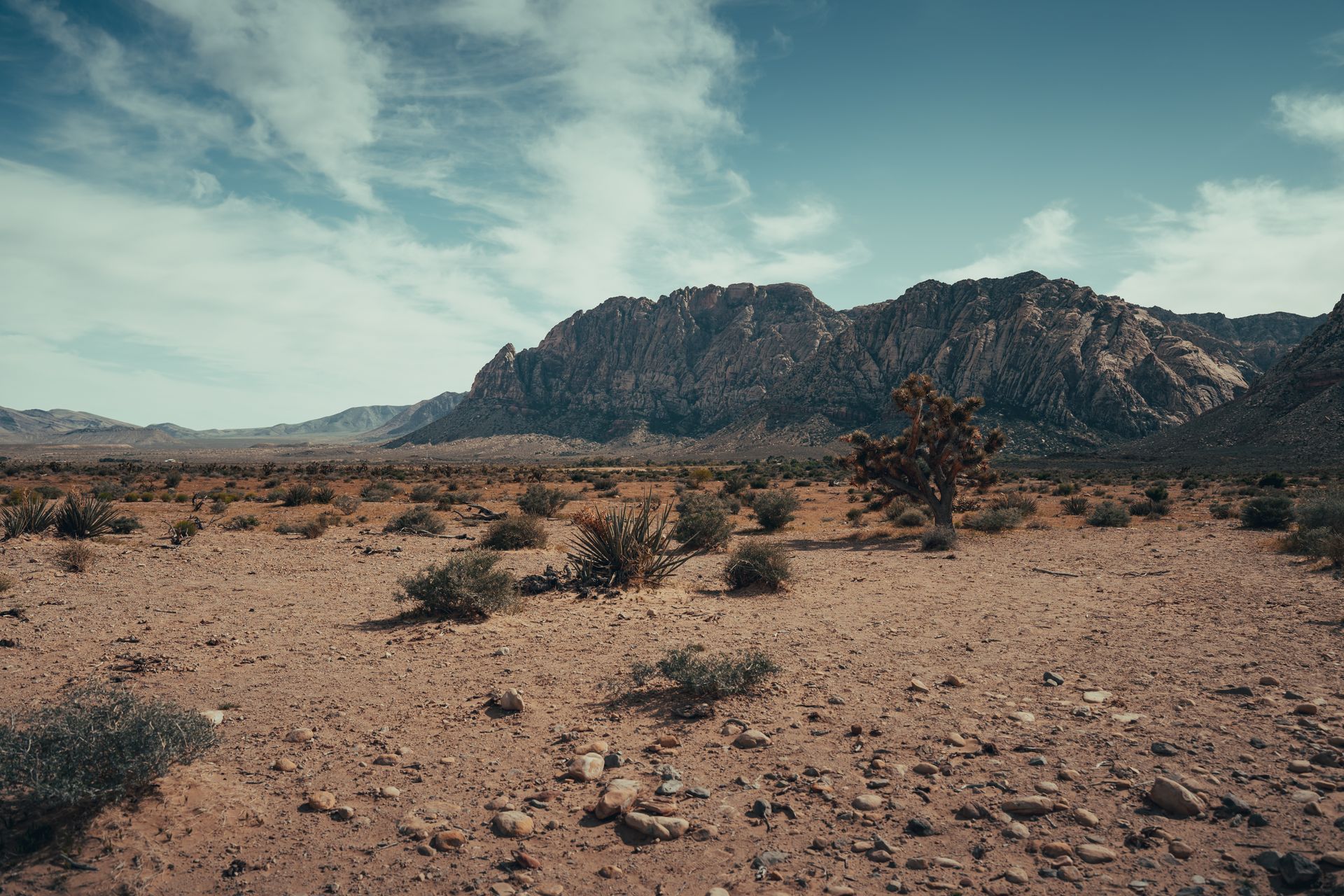
The 'Hole in the Wall' area, in the middle of the Mojave National Preserve, contains photogenic units of volcanic tuff. These rocks were formed not by a flow of molten lava but by the settling out of individual particles from a cloud of volcanic ash. The process is a distinctive sub-type of magma-driven volcanic activity.
When the particles are hot enough on landing, they fuse to one another, producing what geologists call welded tuff. That is what has happened here. But the welding has not been even across the formation; the result is bands and layers of unequal hardness throughout the rock face.
Nature erodes the harder bands more slowly than the softer ones. In the Mojave, this has led to the tuff weathering into spires, hoodoos and more convoluted shapes over time. The pinnacles visible from the trail look like a gallery of geological lathe work, accumulated over millions of years.
Another result is what geologists call cavernous weathering. The softer areas erode away faster, leaving abundant pockets and small caves on the rock faces. From a distance, cliffs and slopes take on the appearance of Swiss cheese, with hollows of every size cut into their surfaces.
The overall effect is otherworldly but visually attractive. Atlas Obscura's notes record that the weathering pattern deepens at sunset, when the tuff's mineralogy glows in orange-to-amber tones. Photographers visit at dawn and dusk to catch the rocks at their most striking.
The area's naming has long been linked to the possibility that the natural cavities served as shelter for earlier cultures. The Mojave Desert's indigenous peoples, notably the Chemehuevi and Mojave nations, may have used the area during seasonal migrations. Limited archaeological survey work supports the hypothesis.
The Rings Loop Trail brings visitors into the centre of the Hole in the Wall area. The walk is roughly 1.2 miles (around 2 km) and is rated moderate. One section requires hikers to climb a steep passage by gripping metal rings that have been driven into the rock — hence the trail's name.
Along the route, hikers can observe distinct layers of volcanic rock. Light-coloured volcanic glasses, dark obsidian veins and occasional bands of pumice mark the layers, recording geological events stretching into the Pleistocene. Park rangers run seasonal guided walks for visitors interested in geology and ecology.
Mojave National Preserve is the third-largest national preserve in the United States. Spread over about 1.6 million acres (6,500 square kilometres), it brings together desert scrub, Joshua tree woodland and mineralogically rich volcanic formations. The Hole in the Wall sits in the south-eastern part of the preserve, easily reached from the main desert road.
The Mojave's tuffs have served as inspiration for more than geology readers. They appear in the early works of the Land Art movement and in digital-era topographic photography. Today, visitors climbing the rings between rock walls experience geological observation and physical effort at the same time, in a setting unlike most other public lands.