Four more Australian National University council members quit after Julie Bishop's resignation
Four more council members of the Australian National University have resigned after former foreign minister Julie Bishop's surprise departure. The cascade of resignations exposes a deepening governance crisis at one of Australia's leading universities.

Four more council members of the Australian National University (ANU) have resigned within 24 hours of former foreign minister Julie Bishop's unexpected departure. The resignations show that the debate over the university's governance has moved into a new phase.
The council said in a statement that recent budget cuts, programme closures and disagreements over advisory board decisions had broken down internal communication. Academic staff unions have publicly called for an inquiry and a temporary external review.
The federal education ministry said it had requested information on the resignations and would consider administrative steps if necessary. Attention is now on how ANU will fill the management gap before the critical period of international research partnerships and new student enrolment begins.
More from Australia-Pacific
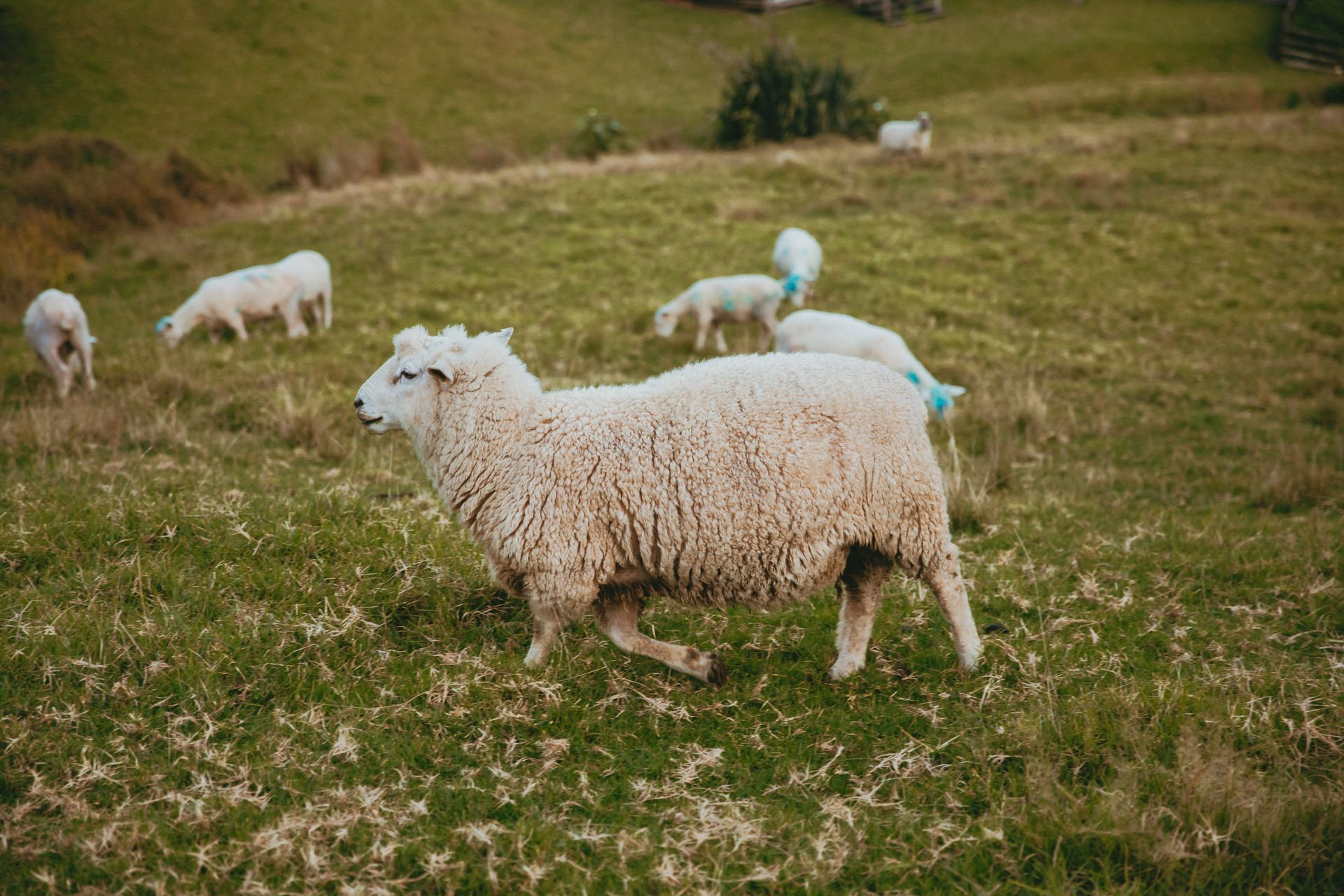
New Zealand lamb exporters at risk of new Trump tariffs, trade minister warns
New Zealand's trade minister has highlighted signals that US President Donald Trump may raise tariffs on sheep products. Any move would directly hit lamb sales to the United States, the sector's seventh-largest market.
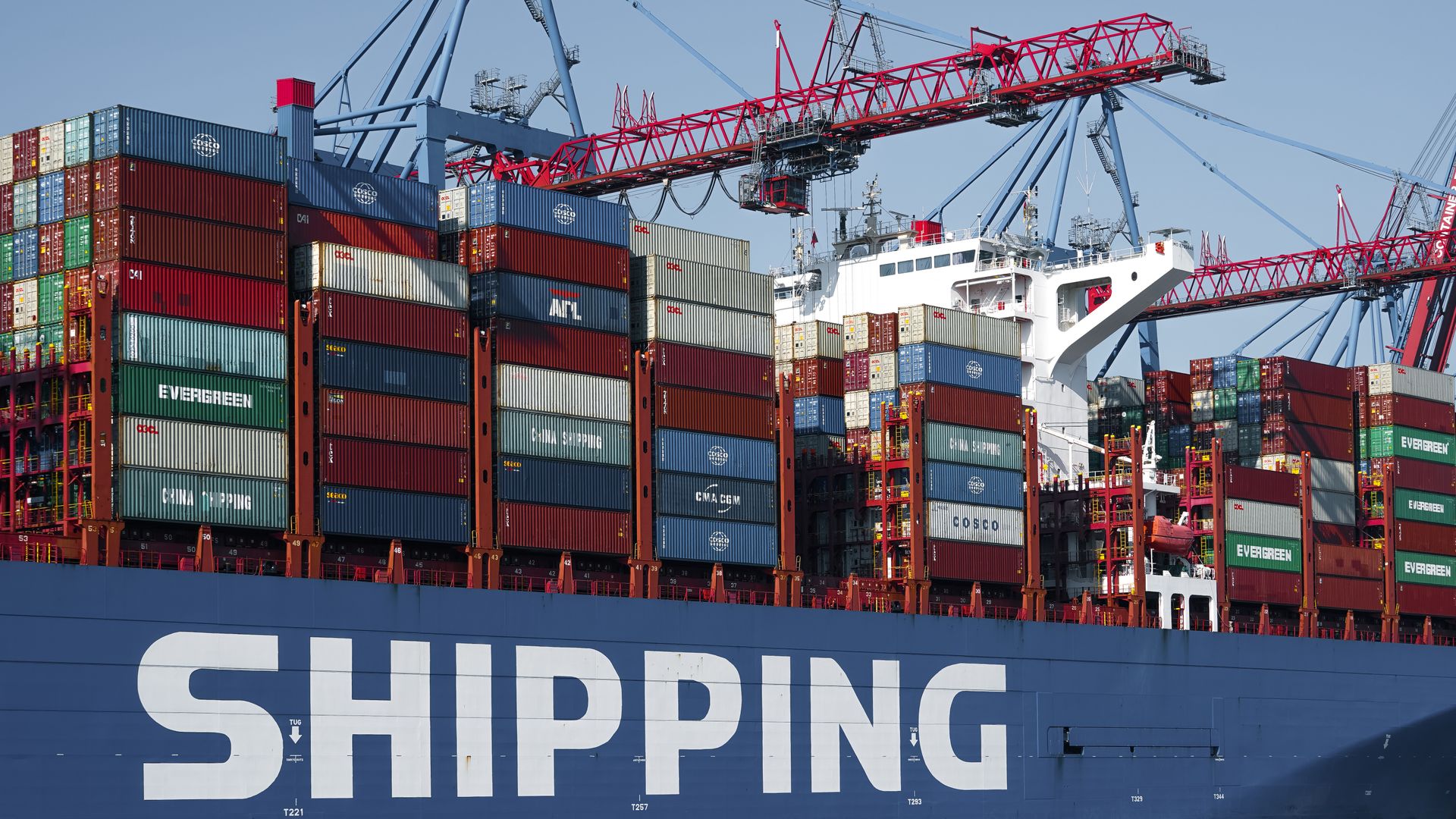
NZ and Australian Businesses Report Higher Costs and Risks From Middle East Conflict
Sixty-eight percent of firms surveyed by the New Zealand Chamber of Commerce reported freight, fuel and insurance costs jumping by at least 15% over the past three months because of the Iran war. More than half said they have postponed 2026 investment plans.

Chalmers Hands Down 2026 Budget, Says Labor Has Chosen 'Hard Road of Reform'
Australian Treasurer Jim Chalmers handed down the 2026-27 federal budget, unveiling A$12 billion to ease the housing supply shortage, an 11% jump in defence spending and a A$4 billion cost-of-living package against the Iran-war energy shock. The deficit is forecast at 1.8% of GDP.