New Zealand lamb exporters at risk of new Trump tariffs, trade minister warns
New Zealand's trade minister has highlighted signals that US President Donald Trump may raise tariffs on sheep products. Any move would directly hit lamb sales to the United States, the sector's seventh-largest market.
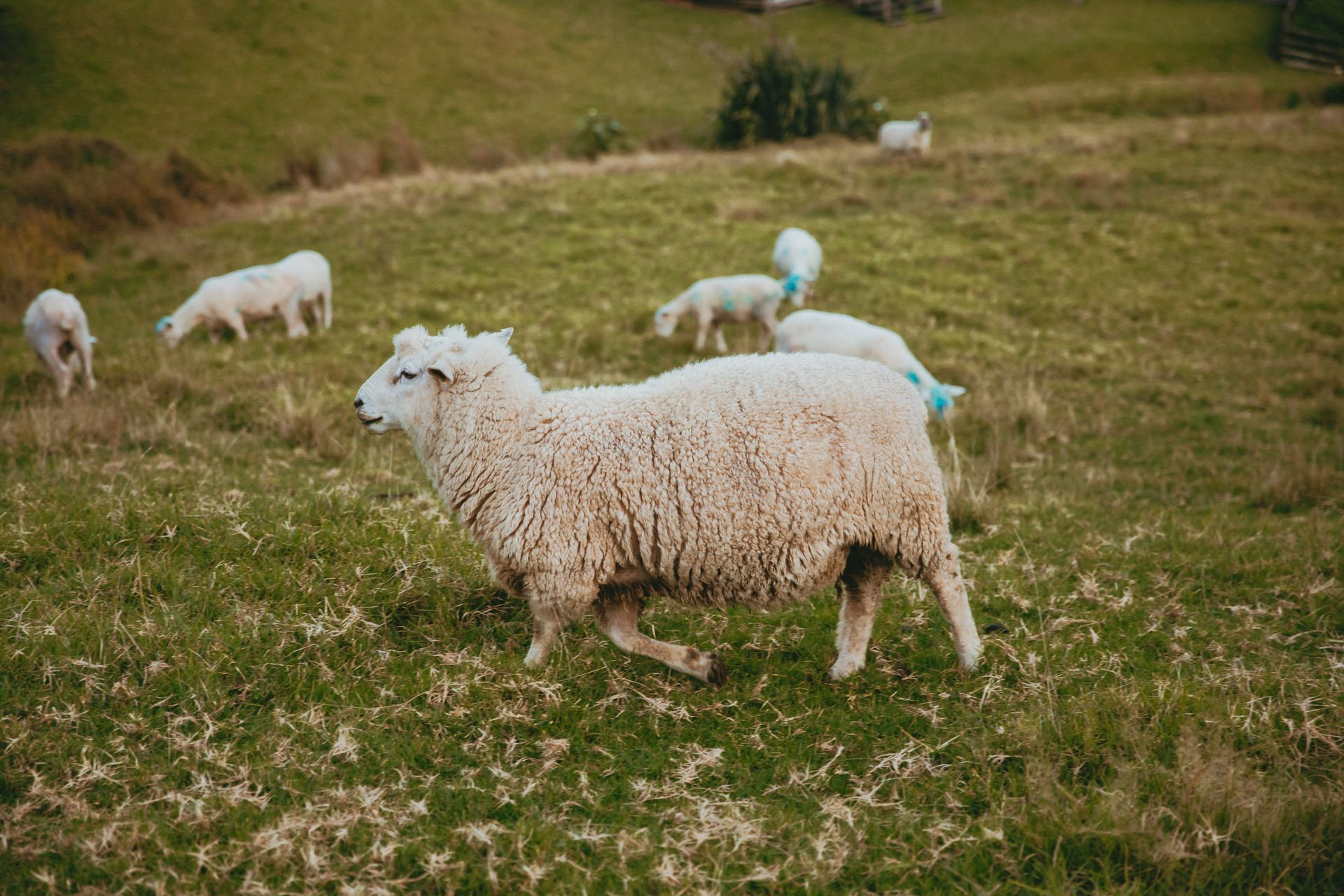
New Zealand's trade minister has flagged warning signals from Washington that the United States may raise tariffs on sheep products and has cautioned the industry. The minister said talks are continuing and that Wellington is working diplomatically to shield exporters from any move.
The United States is the seventh-largest market for New Zealand lamb exports, with a much higher share in some premium categories. Industry representatives said any tariff rise would hit farmer earnings and export volumes in the short term.
New Zealand lamb futures softened on the news. The minister said the government was speeding up its search for alternative markets and backing new distributor deals, particularly across Asia. Any tariff decision could be announced after Trump's visit to Beijing.
More from Australia-Pacific

Four more Australian National University council members quit after Julie Bishop's resignation
Four more council members of the Australian National University have resigned after former foreign minister Julie Bishop's surprise departure. The cascade of resignations exposes a deepening governance crisis at one of Australia's leading universities.
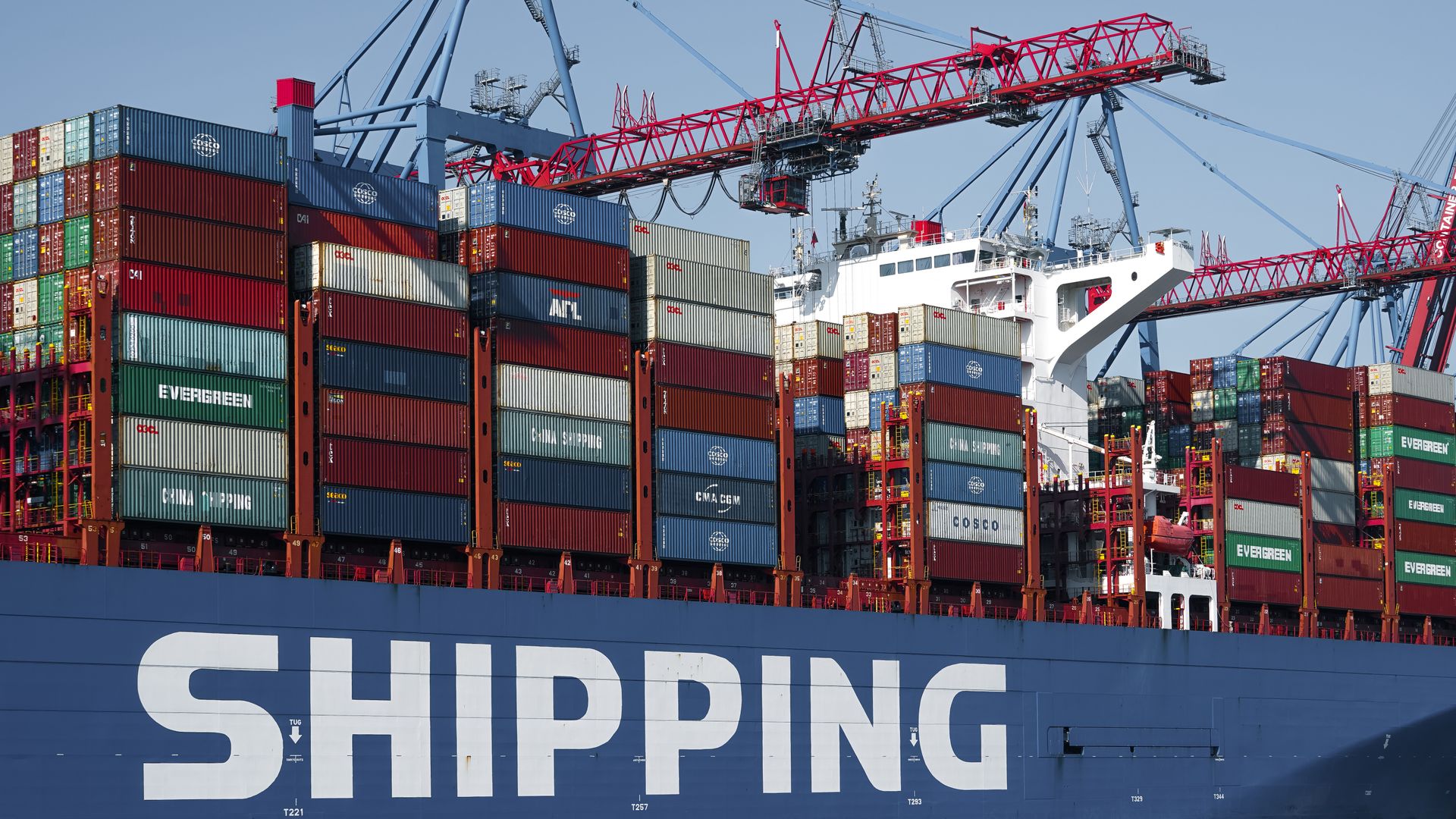
NZ and Australian Businesses Report Higher Costs and Risks From Middle East Conflict
Sixty-eight percent of firms surveyed by the New Zealand Chamber of Commerce reported freight, fuel and insurance costs jumping by at least 15% over the past three months because of the Iran war. More than half said they have postponed 2026 investment plans.

Chalmers Hands Down 2026 Budget, Says Labor Has Chosen 'Hard Road of Reform'
Australian Treasurer Jim Chalmers handed down the 2026-27 federal budget, unveiling A$12 billion to ease the housing supply shortage, an 11% jump in defence spending and a A$4 billion cost-of-living package against the Iran-war energy shock. The deficit is forecast at 1.8% of GDP.