Canada's Canol Heritage Trail: a strategic northern path left by the Second World War
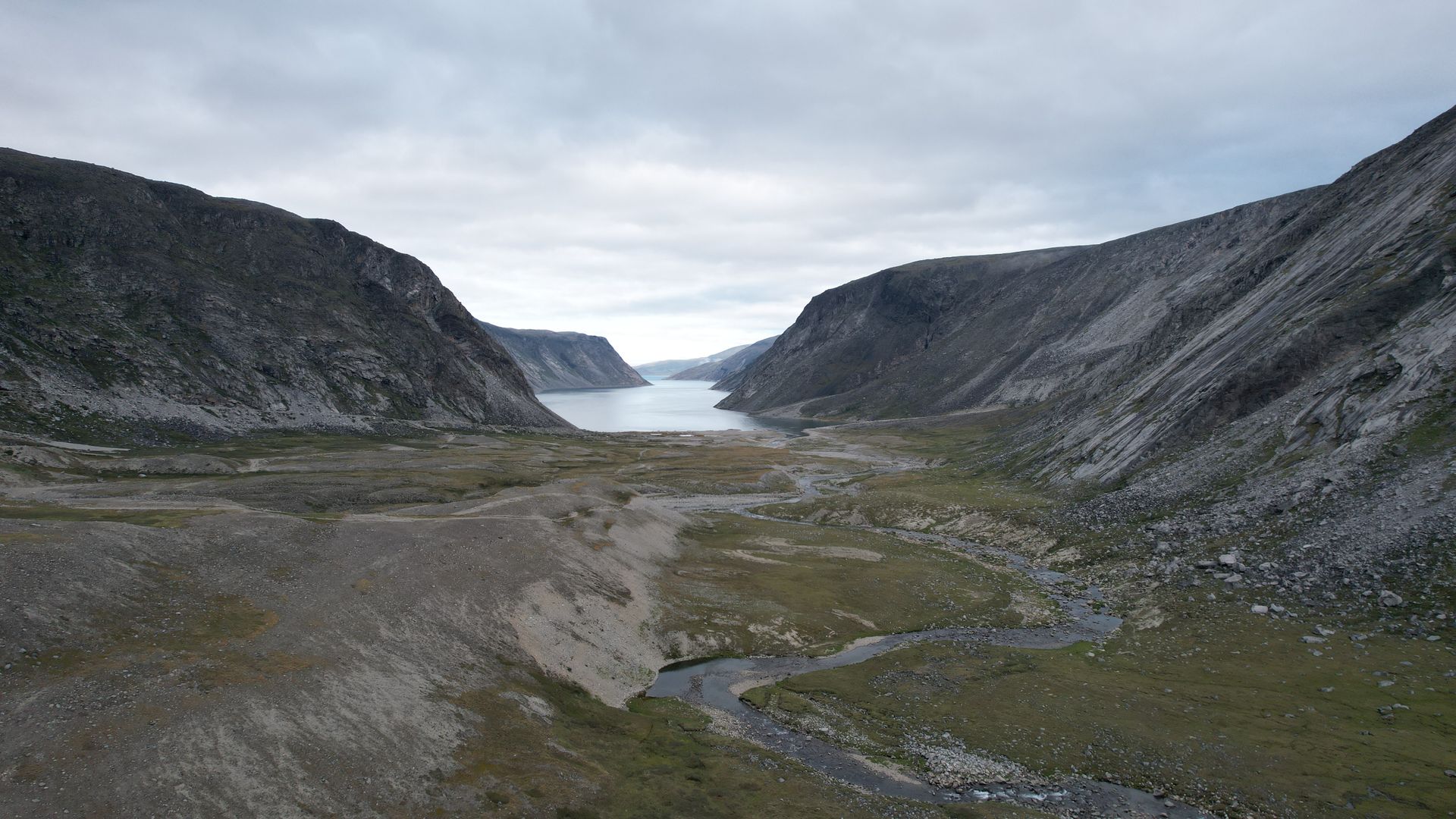
Stretching across the boundless tundra plains of northern Canada, the Canol Heritage Trail is a nature route for modern hikers but carries the traces left by a historic wartime project. According to Atlas Obscura, this 355-kilometre path is the present-day remnant of a pipeline-and-service-road complex built by the US Army between 1942 and 1944. The trail runs between Norman Wells (Yukon Territory) and Whitehorse and is currently protected as a heritage route by the Government of the Northwest Territories.
The rationale for building the pipeline came from a strategic objective. After Japan's December 1941 attack on Pearl Harbor, the United States put a plan on the agenda to supply aircraft fuel to the Pacific Front via Alaska. The Norman Wells oil fields sat at the closest North American location for delivering crude oil to Eielson Air Base in Alaska. Historical detail conveyed by Atlas Obscura shows that the project was carried out by approximately 30,000 American soldiers and civilian engineers in severe winter conditions.
The pipeline built under the project ran about 967 kilometres; the service road was designed as a longer route separate from the pipeline. The US Army spent about 134 million dollars (about 2.3 billion in today's value), making it one of the most expensive infrastructure projects of the Second World War. But as the course of the Pacific Front war shifted, the project was officially abandoned in 1945. The pipeline was dismantled and used in other projects; the service road was left in place.
McGill University historian Professor David McKay, speaking with Atlas Obscura, said: 'The Canol project can be assessed as a prototype of the military infrastructure planning the US implemented in North America during the Cold War era. Its cost is an example that should be added to the curriculum of strategic decisions whose feasibility is debated.' McKay added that the abandonment of the project is also treated as an important case in the history of military planning.
Today the trail's hiking experience is suitable for mountaineers prepared for extreme conditions. The trail guide carried by Atlas Obscura projects a minimum of 21 days for completing the Canol Heritage Trail in its full length. Every 30-40 kilometres there is a wartime relic along the road: abandoned aircraft parts, pipeline support structures, camp sites and in some places crude oil well remains about 50 metres deep. Hikers register with the Government of the Northwest Territories before setting out.
For local communities and northern peoples the Canol Heritage Trail carries a complex historical narrative. The Sahtu Dene and Mountain Dene peoples remember that the project was historically carried out on their ancestral lands and that this process restricted traditional hunting-and-fishing areas. A 2010 agreement between the Sahtu Dene Council and the Government of the Northwest Territories gave community representatives a voice in the management of the trail. Atlas Obscura conveyed an assessment characterising that agreement as 'an important step taken to ensure that northern tourism revenue is reflected back to local communities.'
From an environmental protection standpoint the trail occupies a delicate position. Crude oil remnants along the trail create a long-term pollution risk on the tundra ecosystem. In 2018 the Government of Canada's environment ministry identified oil remnants at 740 points along the trail and a budget of about 180 million dollars was set aside to clean those points by 2025. The cleanup work continues; but scientists conveyed by Atlas Obscura say that the historical excavation process added to the project has slowed the cleanup speed and that some sections of the trail may not be fully accessible over the next decade.
The trail also supplies an important resource for military history museums. The Whitehorse and Norman Wells museums work to display the remnants gathered along the Canol Heritage Trail. The MacBride Museum in Whitehorse opened a Canol Project exhibition in 2024 that draws about 18,000 visitors a year. Museum director Patricia Rivers told Atlas Obscura: 'Some of the remnants gathered along the trail are 80 years old but they live in protected conditions; this is one of the rare examples of historical preservation seen in the northern climate.'
The Canol Heritage Trail is today a destination that attracts both nature lovers and military history enthusiasts. According to the Northwest Territories Tourism Bureau, the registered number of people who walked the trail in its full length in 2024 was 487; a significant rise when compared to 89 people in 2010. The trail's growing visibility, tied to the content published by history magazines like Atlas Obscura and the Canadian tourism network, is growing at roughly 15 percent a year.
A final anecdote conveyed by Atlas Obscura shows that the trail may carry strategic importance for the future. About ten years ago the Sahtu Dene Council filed a case with the Supreme Court of Canada concerning potential oil and gas exploration rights in the Canol Heritage Trail region; the court ruled in favour of the community and supported the restriction of exploration activities due to the region's historical and environmental importance. That decision is treated as an important step toward Indigenous peoples having a voice in natural resource management in northern Canada.