Detroit's Fisher Building: the Art Deco landmark built as Detroit's 'most beautiful building'
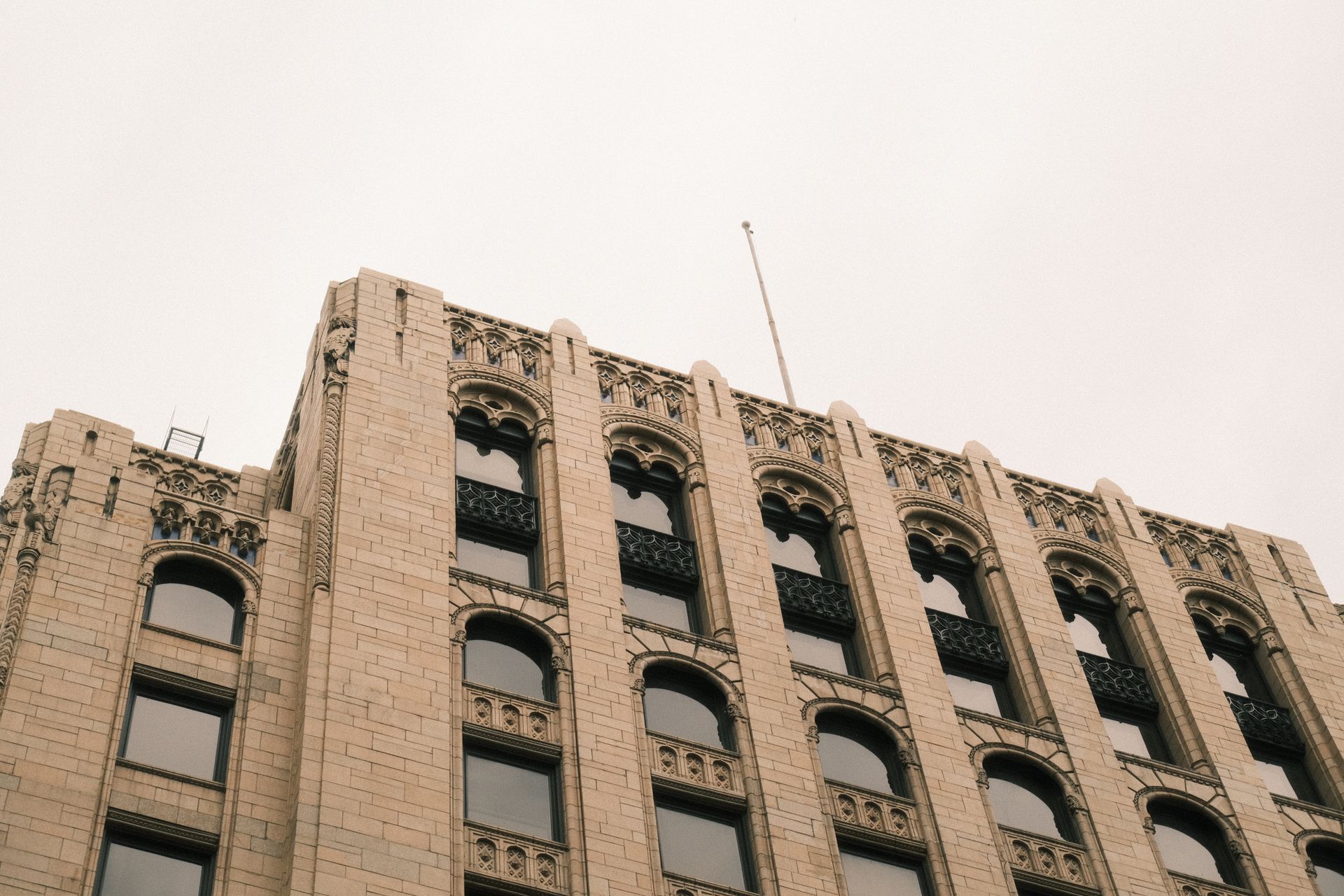
Located in Detroit's New Center district, the Fisher Building was opened in 1928 and is regarded as one of the Art Deco buildings that stand as a concrete sign of the golden age of the American auto industry. According to Atlas Obscura, the building continues to be protected with National Historic Landmark status and is the product of a joint effort by leading architects and artists of the period.
The Fisher Brothers family, which financed the building's construction, decided to use a significant portion of the capital they had received from the 1926 sale of their eponymous Fisher Body firm to General Motors for around $208 million to shape Detroit's city centre. Albert Kahn, serving as project manager, worked closely with the Fisher brothers to bring to life one of the most ornate office and commercial buildings of the period.
The Fisher Building's architectural design was carried out by the Albert Kahn Associates team led by Joseph Nathaniel French. The 28-storey, 134-metre-tall building was Detroit's tallest structure at its opening (a title it later passed on to the Penobscot Building). The exterior cladding is composed of high-quality limestone and bronze window frames; this choice of materials was part of the Fisher Brothers' aim to ensure the building was referred to as 'Detroit's most beautiful building'.
In terms of interior decoration, the Fisher Building's three-storey arcade lobby is adorned with frescoes and marble cladding designed by Geza Maroti. Maroti's frescoes contain an Art Deco interpretation of Greek and Roman symbolism, presenting allegorical depictions of commerce, industry and the arts. 40 different types of marble (from Tennessee marble to Numidian marble imported from Italy) were used in the lobby's decoration, reflecting that the Fisher Brothers worked without budget constraint.
Among the Fisher Building's original tenants were, alongside the other business lines of the Fisher Brothers, various firms of Detroit's financial and commercial elite. The building's private elevators (24 cabins produced by the Otis Elevator Company and described as one of the fastest models of the era) and a large theatre auditorium (the Fisher Theatre, with a capacity of 2,089 seats) were among the features adding to its appeal. The Fisher Theatre was renovated in 1961 for Broadway musicals and remains an active performance venue today.
Detroit's economic transformation in the second half of the 20th century — particularly the decline of the auto industry and population loss — also affected the Fisher Building. Falling tenant numbers in the 1980s and 1990s raised questions about the manageability of the property's costs. In 2015, the building was sold under a redevelopment project and entered a new phase of restoration.
The post-2015 restoration involved renewing the building's infrastructure for modern office use while remaining faithful to the original Art Deco character. Traditional elevator mechanisms were preserved in keeping with period detail while being brought into conformity with modern safety standards. The lobby frescoes and decoration went through a cleaning and repair process carried out by specialist restorers.
The Fisher Building's architectural heritage is regarded as a mature example of early-20th-century American office-building design. The building is among the first structures built in the 'towered massing' form and acts as a reference point for Detroit's skyline. Designed in the same period as New York City's Chrysler Building, the Fisher Building is an important example of Art Deco architecture turning one eye to America's Midwest.
In the urban revitalisation process of the past decade described as 'Detroit's Renaissance', the reuse of the Fisher Building is a significant example of combining the preservation of the city's historical architectural heritage with economic development. This approach is part of the wider 'adaptive reuse of historic buildings' trend and is discussed in international architectural-conservation literature.
This article does not constitute real-estate investment or tourist advice; for visits to the building and for events, the Fisher Building's official announcements and the publications of the Detroit Historical Society should be followed. The information is based on Atlas Obscura's reporting and on specialist architectural-history sources.