Wheeler Kilns of Pahrump: the silver-smelting heritage of the Nevada desert
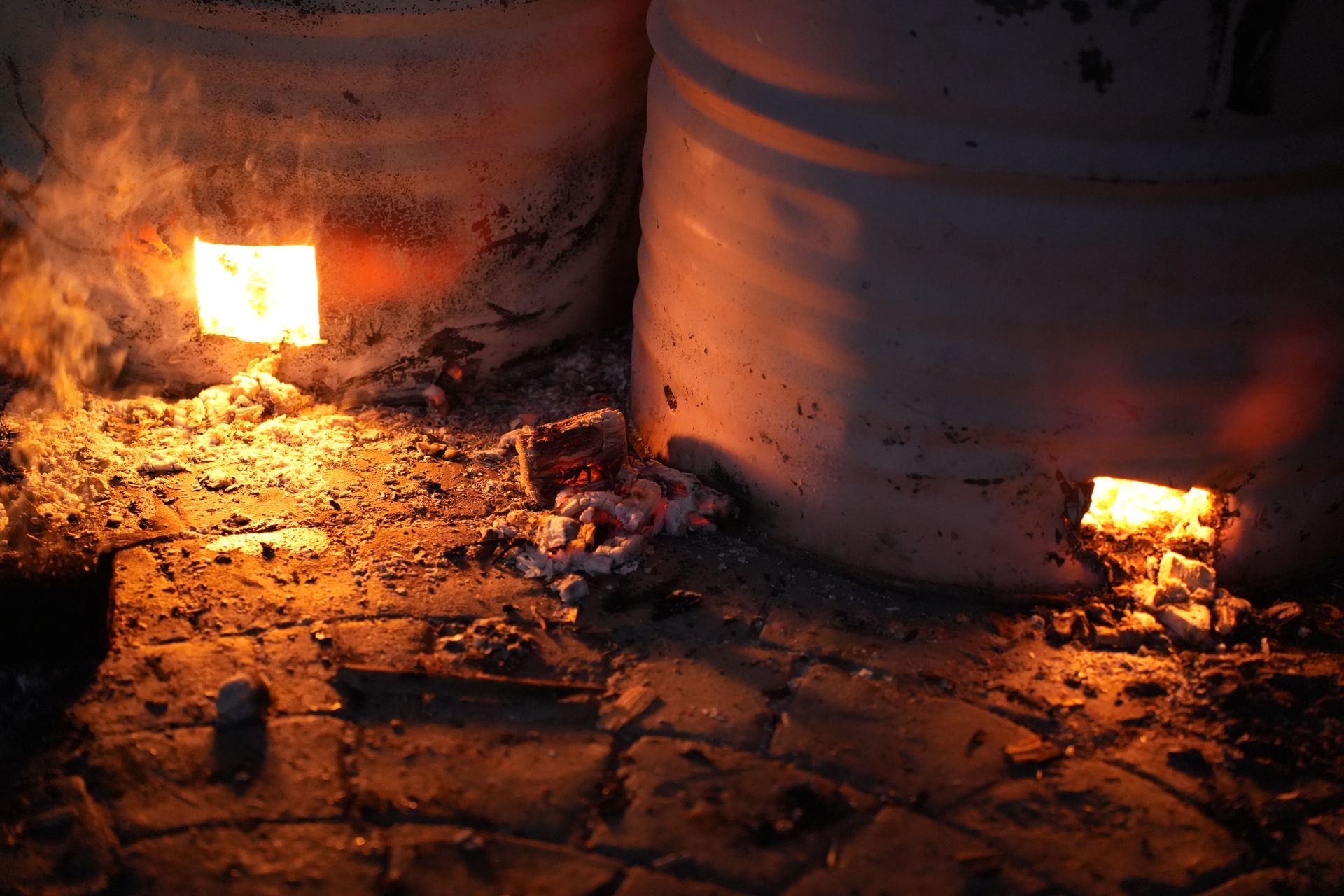
The Wheeler Kilns stand at the foot of the dry hills west of the Pahrump Valley in Nevada, and they represent one of the most tangible surviving traces of the silver-mining era in the late 19th-century American West. The dry-stone domes are still standing today and, in spite of the corrosive desert climate, have largely retained their original form.
According to Atlas Obscura's record of the site, the kilns were built between 1875 and 1880 by John Wheeler and his crew. Wheeler needed locally available charcoal to smelt the ore extracted from the area's silver mines. The kilns were designed to produce charcoal through the controlled burning of timber blocks cut from the surrounding pinyon pine and Utah juniper woodlands.
Each kiln stands approximately 9 metres tall and 6 metres in diameter. They are positioned as independent structures with no joining works between them, but the coordinated firing of the kilns is clear from the shared collection platforms found between them. Tracks of the earthen ramps that were built for loading timber blocks into the kilns are still visible, when looked at carefully, on the north side of the structures.
Dr Susan Edwards, a desert archaeologist, says the building stones used for the kilns were brought from as far as 5 kilometres around. Most of the surrounding rock is a mix of limestone and granite, which provides insulation able to withstand the high temperatures required for charcoal production. The construction style is thought to show Italian influence, although documentation of the specific model Wheeler may have followed is incomplete.
The period of active use of the kilns was relatively short. After 1885, falling silver prices and the spread of more modern charcoal-production methods in other regions meant the kilns were largely abandoned by the 1890s. During their working period, Wheeler and his partners are recorded as having produced about 40,000 tons of charcoal, an amount sufficient to smelt the ore extracted from the area's silver mines.
Most of the workers who built the kilns were Italian immigrants who had reached the United States in the early 1880s. Professor Marco Bianchi, a historian at Ferguson University, says these workers also left their mark on other charcoal kilns in the region. The Pahrump kilns are one of the best-preserved examples in Nevada of the dome construction proper to the Italian building tradition.
The kilns are today protected by the Nevada State Parks System. Atlas Obscura reports that the structures were listed on the National Register of Historic Places in 1981. Local community associations run free guided tours each year in May to introduce visitors to the structure.
The desert climate around the kilns both helps and complicates conservation. Low humidity restricts the rate at which the stones weather, while sharp temperature swings in winter cause some of the cracks in the structure to widen. Park officials report that conservation work carried out over the last five years has monitored the cracks and used traditional dry-stone techniques where necessary.
In the wider history of the area, the Wheeler Kilns are not just an industrial-infrastructure remnant. The structures can be read as a tangible meeting point of the economic transition of the late-19th-century American West, the migrant workforce that built it, and its environmental use. The town of Pahrump has, in recent years, started organising its tourism activity around these remains.
The route suggested by Atlas Obscura for visitors begins about 25 kilometres from downtown Pahrump and reaches the kilns by a dirt road. The site is open year round, but the best time to visit is between April and June: during this period the desert flowers bloom, adding a colourful counterpoint to the kilns' stark silhouette against the surrounding landscape.