Silverstone feels completely different with F1's new cars, says Hamilton

Lewis Hamilton says Silverstone feels completely different to drive under Formula 1's new generation of cars, the BBC reports, offering a driver's-eye view of how sweeping technical changes have altered one of the sport's most storied circuits ahead of the British Grand Prix. His remarks capture a season in which fresh regulations have reset much of what teams and drivers thought they knew.
Silverstone holds a special place in Formula 1. The former airfield in central England hosted the very first world championship race in 1950 and has remained a fixture on the calendar, revered by drivers for its fast, flowing corners and by British fans as the sport's spiritual home. Changes to how cars behave there are felt keenly by those who know the track intimately.
Hamilton, one of the most successful drivers in the sport's history and a multiple winner at Silverstone, speaks with particular authority about the circuit. Having raced there across different eras of car design, he is well placed to judge how the latest technical rules have changed the experience of tackling its high-speed sequences at the limit.
According to the BBC, Hamilton describes the new cars as making Silverstone feel completely different, a striking assessment for a driver who knows every metre of the layout. When a track that a driver has mastered over years suddenly demands a fresh approach, it signals just how substantial the underlying changes to the machinery have been.
Formula 1 periodically overhauls its technical regulations, adjusting everything from aerodynamics to power units and tyres in an effort to improve racing, control costs or shift the competitive order. Such resets change how cars generate grip, how they handle through corners and how drivers must manage them, and each new rule set sends teams scrambling to understand the altered landscape.
The effect is felt most vividly at circuits like Silverstone where speed is at a premium. High-speed corners expose the character of a car's aerodynamics and mechanical grip, and even modest changes in how downforce is produced can transform whether a corner is taken flat out or requires a lift, reshaping lap times and the challenge drivers face.
For the teams, a new-feeling Silverstone is both an opportunity and a risk. Those who best understand the new cars can find performance where rivals struggle, and a home race carries extra weight for the British teams and drivers who make up a significant part of the grid. The paddock will be watching closely to see who has adapted quickest.
The British Grand Prix also carries a unique atmosphere that amplifies everything around it. The Silverstone crowd is among the largest and most passionate in the sport, and the sense of occasion can lift home drivers while adding pressure. For a figure like Hamilton, the emotional charge of racing in front of British fans has long been part of what makes the weekend special.
Hamilton's comments feed into the wider narrative of a changing season, in which the new regulations have reshuffled expectations and left drivers recalibrating their instincts. Assessments like his, from someone with deep experience of the track, offer a valuable gauge of how the technical shifts are translating into the actual business of driving fast.
As the British Grand Prix approaches, the storylines are set: a beloved circuit feeling new again, a generation of cars still being understood, and one of the sport's greatest drivers reflecting on how much has changed at a place he knows better than almost anyone. Whatever the result, Silverstone under the new rules promises a fresh test of the skills that define Formula 1.
Read next
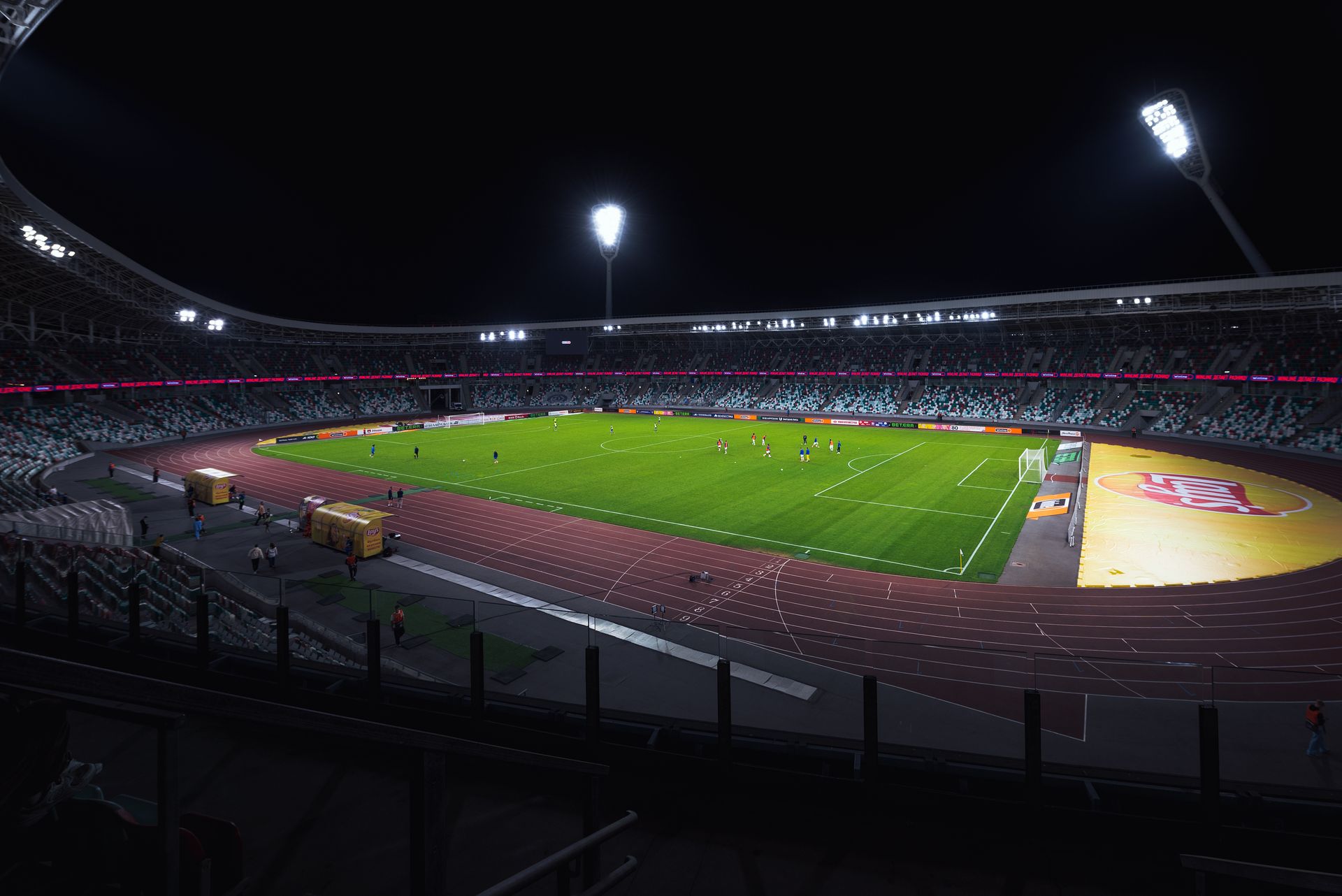
Portugal beat Croatia in dramatic finish to reach World Cup last 16
Portugal reached the World Cup last 16 after a dramatic victory over Croatia, the BBC reports, surviving late drama that included a disallowed Croatian equaliser. Cristiano Ronaldo was again central to the result as Portugal edged through a tense encounter.

Coco Gauff rallies past a tough test to reach the Wimbledon third round
Coco Gauff fought back to win a testing match and reach the third round at Wimbledon, showing the resilience that has become a hallmark of her game on grass. The American remains among the contenders as the tournament's early rounds thin the field.

Harry Kane passes Pelé's World Cup goal tally in England's comeback win
Harry Kane scored twice as England came from behind to beat DR Congo and reach the World Cup last 16, moving him past Pelé on the tournament's all-time scoring list. The captain's decisive display underlined his standing among the game's great goalscorers.
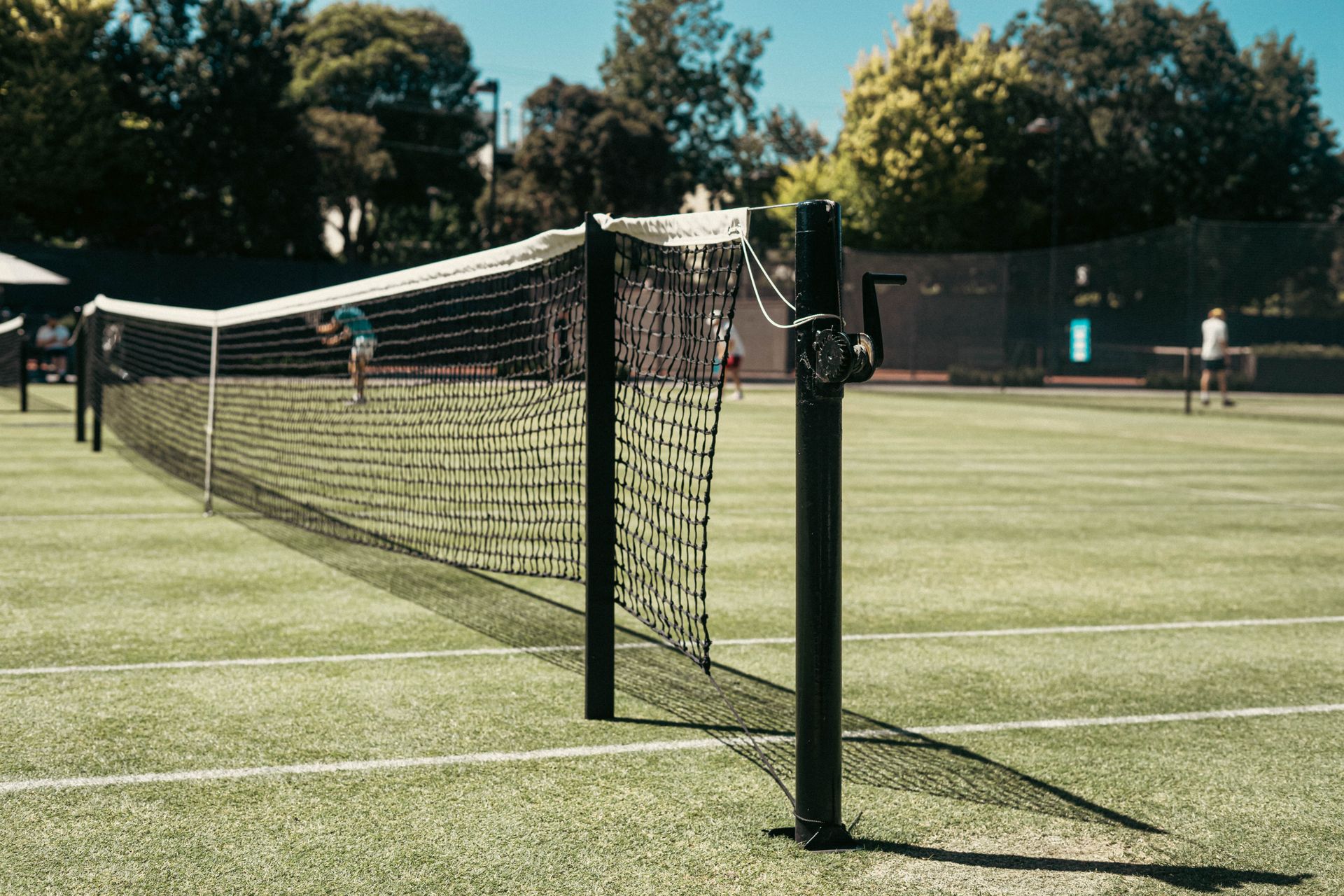
Serena Williams falls just short on emotional Wimbledon singles return
Serena Williams returned to singles at Wimbledon for the first time in nearly four years but lost a closely contested match, according to the BBC. Her comeback drew huge attention, with powerful serving offset by the challenge of movement after a long absence.

Can anyone stop France? Inside the World Cup form of Mbappe and Les Bleus
France advanced at the World Cup with a commanding win over Sweden in which Kylian Mbappe scored twice, according to the BBC. The performance has renewed questions about whether any side can stop a France team combining star quality with strength in depth.