Sabalenka cuts press conference short as players protest French Open prize fund
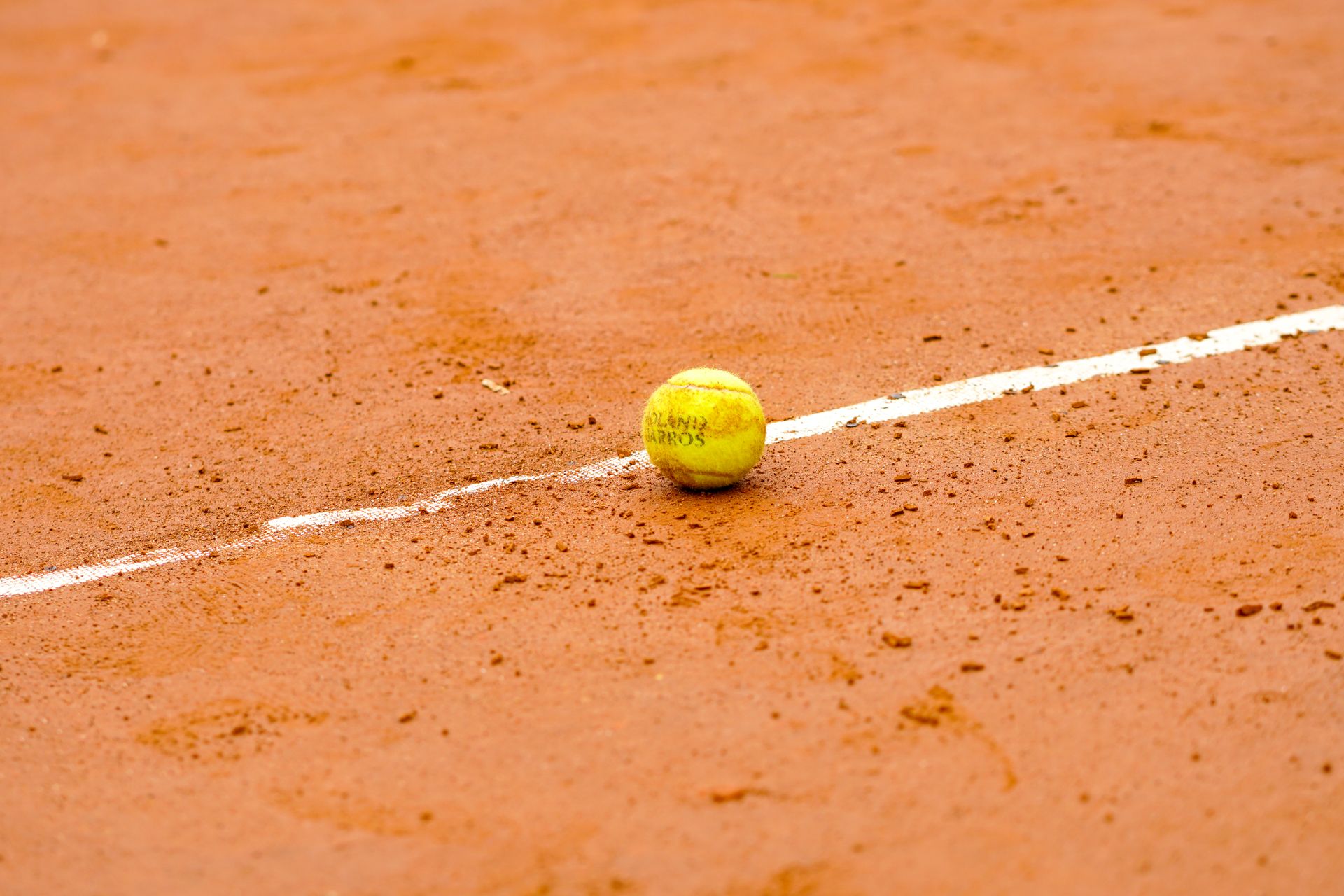
World number one Aryna Sabalenka cut her French Open press conference short on the third day at Roland-Garros, leaving the Caja Magica media room seven minutes before her scheduled 12-minute slot had ended. The Belarusian player told the press officer that 'I can take the questions later, but at the moment this has no meaning,' and left the room.
The action is being read as part of an ongoing prize-money negotiation between the WTA Tour and the French Tennis Federation (FFT). Five top-ten players, including Sabalenka, Iga Swiatek, Jessica Pegula and Elena Rybakina, are reported by BBC tennis correspondent Russell Fuller to be participating in a 'limited engagement' protocol.
The FFT has announced the 2026 Roland-Garros total prize fund at 56.3 million euros. Both the men's and women's singles champions will earn 2.4 million euros, equal in the singles bracket; however, the WTA argues that the doubles and team-event allocations leave women players collectively 17 per cent short.
WTA chief executive Steve Simon told the BBC in a written statement that 'limited engagement with the media is a legitimate tool players may choose to use; they want to make an organised statement without compromising sportsmanship'. Simon confirmed that negotiations with FFT counterpart Sergi Bruguera had stalled on Tuesday.
FFT president Gilles Moretton said at a press conference that 'the players' views are respected; however, the prize-money structure depends on tournament sponsor agreements that change annually, and we cannot change them through any single entity'. Moretton announced that he would meet again with the joint players' council, led by Iga Swiatek and Elena Rybakina, on Friday.
The protest drew the attention of former tennis stars. Billie Jean King wrote in a post on X that 'players asserting their rights in an economic context is the birth certificate of women's tennis'. Stacey Allaster, the executive director of the US Open, said in a press release that 'the WTA's position is a crystallisation of years of conversation'.
Women's singles average prize funds on the WTA Tour this season trail the men's tour by 4.7 million dollars. Sabalenka, who is one of only a handful of women players earning more than 10 million dollars annually, said at the press conference that 'this is not personal; we need to leave a better picture for the next generation'.
The protest also produced a magnet reaction from the press industry. The Association of Sports Writers sent a letter to the FFT stating that 'any decision that affects players' media obligations must be transparent; the press is also a part of the story'. Several broadcasters were cautious, suggesting the protest could turn into a broader version of an on-court action.
On the playing side, Sabalenka defeated Anastasija Sevastova 6-4, 7-5 on Wednesday and continues her run into the third round. She will face Chinese wild-card Wang Xiyu on Monday morning. It is too soon to measure the impact of the action by match results; however, a panel of coaches said Sabalenka could expect a tense press reception.
The Friday meeting between the FFT and the WTA is moving towards a broad decision that may define the tournament: an additional 4 million euros for the women's doubles category is on the table. The outcome of those negotiations may be the most lasting 7-minute effect on the players' future in the press conference room.