Why writing by hand is still better for your brain than typing
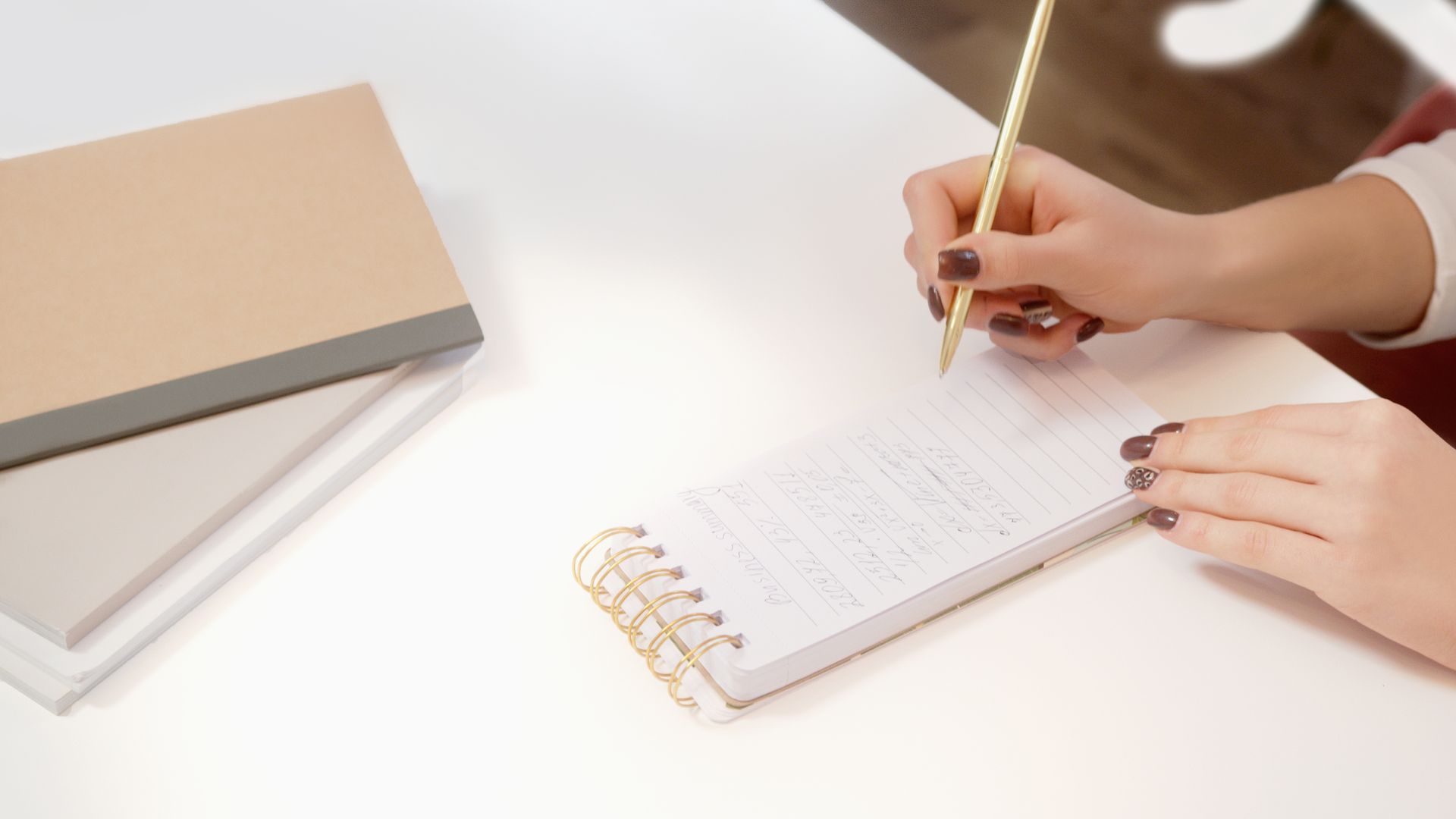
While the practical importance of handwriting seems to be shrinking in the digital age, neuroscientists are asking the opposite question: why does writing by hand leave a different imprint on the brain than typing does? Research accumulating in recent years shows the difference is real and measurable.
One of the most frequently cited studies in this field compared university students who took lecture notes by hand with those who used laptops. The results showed that students taking notes on laptops typically wrote down more words, but students who took notes by hand performed better when answering conceptual questions afterward.
Researchers attribute this to a fundamental difference in how the two methods process information. Typing makes it possible to copy a speaker's words almost verbatim, which doesn't require deep processing of the information. Writing by hand, by contrast, imposes a physical speed limit that forces the brain to summarise, rephrase and prioritise what it hears — and that process is itself a form of learning.
Brain imaging studies support these behavioural findings. During handwriting, the fine motor coordination needed to form the shape of each letter triggers a pattern of activation and connectivity across the brain's visual, motor and language-processing regions that isn't seen when typing.
The importance of this connectivity pattern is especially apparent in young children: children who learn to draw letters by hand have been shown to be better at recognising those same letters than children who learn them only by typing. This link between motor action and visual recognition is seen as a foundational mechanism in the development of reading ability.
None of this means handwriting should be declared "superior" to typing; researchers instead emphasise that the two methods serve different purposes. For fast, high-volume text production, a keyboard is unquestionably more efficient — but for tasks requiring deep comprehension, retention or creative idea development, handwriting can carry a clear advantage.
This finding carries a practical implication for educators: rather than digitising the entire note-taking process, having students continue to handwrite at least the conceptual-summary or brainstorming stages could improve learning outcomes.
A similar logic applies to adults: writing on paper with a pen while working through a complex problem or trying to clarify a new idea can slow down thinking in a way that triggers deeper processing — meaning digital tools' speed advantage can sometimes become a disadvantage.
Experts stress this doesn't mean rejecting technology altogether, but rather being deliberate about which tool suits which task. A keyboard is fine for taking meeting minutes; for genuinely absorbing a concept, pen and paper still appear to be the better choice.
Ultimately, this body of research shows not that digitisation has made handwriting obsolete, but rather clarifies more precisely when and why it still holds value.
Read next

How Google's selfie login works, and how safe it actually is
Google is rolling out a feature that lets people use a short selfie video instead of a password to access their account, verify their age, or generate AI avatars. Here's how the underlying technology works and what it means for privacy.

What is negative cash flow, and why did Google just post its first one
Google continues to report record quarterly revenue, but its spending on AI infrastructure has ballooned so sharply that the company posted negative free cash flow for the first time in its history. Here's what cash flow actually measures, and why it matters even for a hugely profitable company.

US warns Iran-linked hackers are targeting water and energy providers
An updated US government advisory warns that Iranian-linked hackers are exploiting systems used by water and energy providers, urging critical infrastructure operators to tighten their defences against the ongoing intrusions.
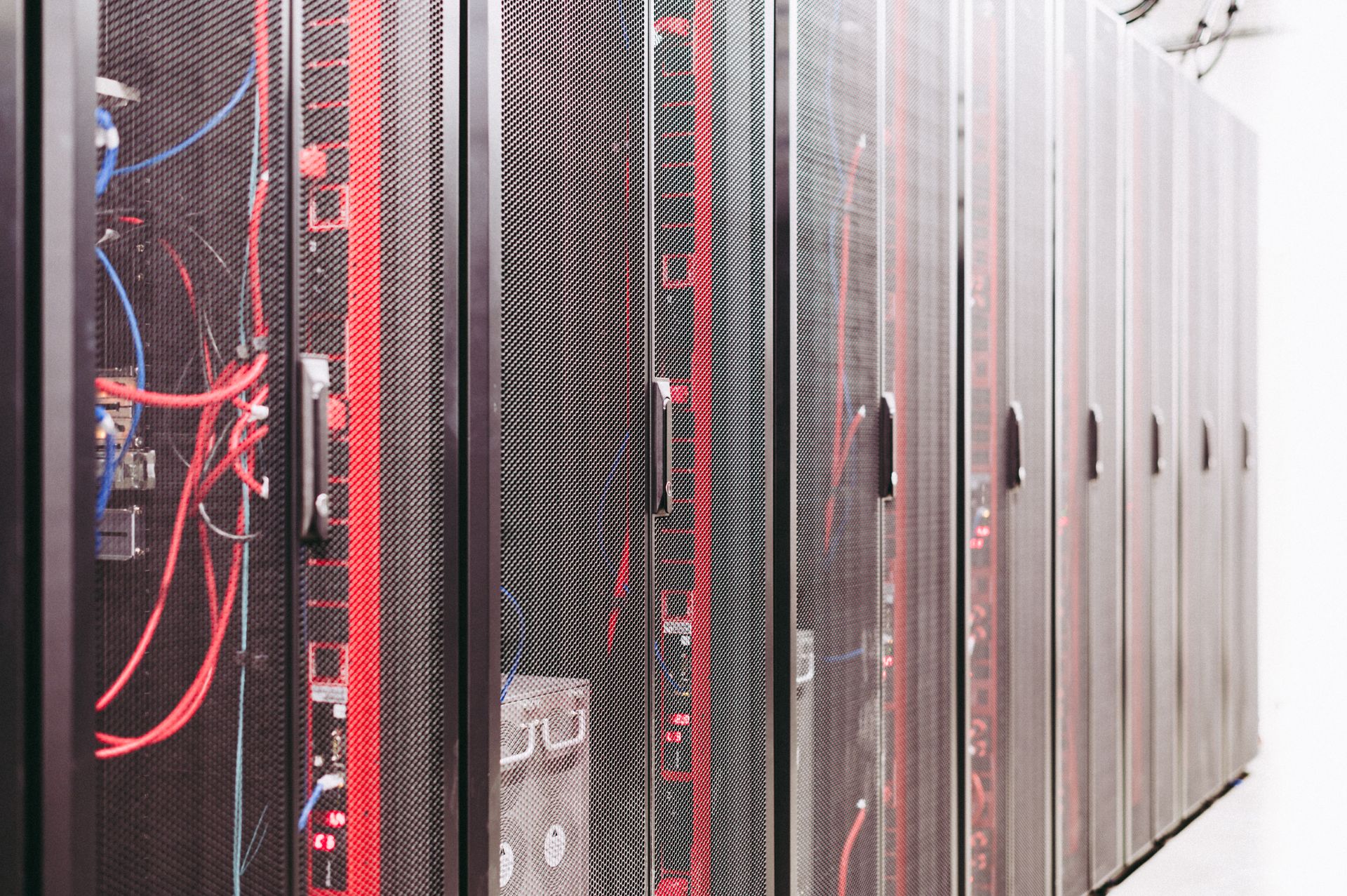
AMD's Helios rack-scale system takes direct aim at Nvidia's AI dominance
AMD is challenging its chipmaker rival Nvidia with Helios, a new rack-scale AI system that will begin shipping to customers later this year. The launch intensifies competition in the market for infrastructure built to train and run large AI models.

Science Corporation's vision-restoring chip wins EU approval
Science Corporation, the biotech startup founded by former Neuralink president Max Hodak, has won European regulatory approval for a retinal implant designed to restore partial vision to people blinded by age-related macular degeneration. The approval marks a milestone for a company still working to prove a viable business around implantable neurotechnology.