Science Corporation's vision-restoring chip wins EU approval

Science Corporation, a biotechnology startup founded by former Neuralink president Max Hodak, has received regulatory approval to sell its retinal implant in the European Union, a milestone the company has been working toward for years as it tries to build a sustainable business around implantable neurotechnology aimed at restoring lost vision. The device is designed for people who have lost their central vision to age-related macular degeneration, one of the leading causes of vision loss in older adults worldwide.
Age-related macular degeneration damages the macula, the part of the retina responsible for sharp, central vision needed for tasks like reading faces, recognizing faces, and reading text, while typically leaving peripheral vision intact. There is no cure for the advanced, or "dry," form of the disease, which affects a substantial share of people over 65 and becomes more common with age, leaving many patients with a permanent blind spot at the center of their visual field even though the rest of their eye and visual system remains functional.
Science Corporation's implant works by replacing the function of the damaged macula rather than repairing it directly. A small photovoltaic chip is surgically placed beneath the retina, where it converts light patterns, captured by a camera built into a pair of glasses the patient wears, into electrical signals that stimulate the remaining healthy retinal cells and nerve pathways leading to the brain. The approach does not restore natural vision but can allow patients to perceive patterns of light and shapes sufficient to support daily tasks that would otherwise be impossible without central vision.
The underlying technology, sometimes referred to in the field as a subretinal photovoltaic implant, builds on more than a decade of prior research into retinal prosthetics, an area that has seen several earlier devices reach patients with mixed commercial success. Previous generations of retinal implants demonstrated the basic scientific feasibility of restoring functional light perception through electrical stimulation, but often struggled to build a sustainable business given the small patient population, the complexity of the surgery required, and the high cost of the devices relative to what health systems were willing to reimburse.
Hodak, who left Neuralink in 2021 and founded Science Corporation shortly after, has been candid about the commercial challenge facing the broader implantable neurotechnology field, telling TechCrunch that the sector needs a company capable of building a genuinely large, sustainable business, citing a target of $100 million in annual revenue as the kind of scale that would prove the category commercially viable rather than a niche, subsidized medical curiosity.
That commercial framing distinguishes Science Corporation's public messaging from some of its peers in the neurotechnology space, where breakthroughs are often described primarily in terms of scientific or medical significance rather than business fundamentals. Hodak's emphasis reflects a broader challenge facing implantable medical device companies generally: even a device that works as intended scientifically can fail commercially if the reimbursement pathway, surgical infrastructure, and patient population are not large enough to support the company financially over the long term.
EU regulatory approval, while a significant milestone, represents only one step in bringing the device to widespread patient use. Reimbursement decisions by national health systems across European countries, surgical training programs to build a base of ophthalmologists capable of implanting the device, and continued clinical monitoring of implanted patients will all shape how quickly and broadly the technology actually reaches the patients who might benefit from it.
The approval also arrives at a moment of renewed broader investor and public interest in implantable neurotechnology, driven partly by high-profile efforts, Neuralink among them, to develop brain-computer interfaces for a range of conditions beyond vision restoration. Science Corporation's more narrowly targeted device, focused specifically on a well-defined, relatively common condition, represents one route through the same broader technological territory: rather than pursuing the most ambitious possible application, targeting a specific medical need with a clearer regulatory and reimbursement pathway.
For patients with advanced age-related macular degeneration, a population that has had few effective options once the disease reaches its most damaging stage, the approval offers a genuine, if partial, restoration of function rather than the elimination of blindness altogether. Whether Science Corporation can translate that clinical promise into the kind of large, self-sustaining business Hodak has described will likely depend on how quickly reimbursement systems, surgical capacity, and patient awareness scale up in the years following this approval.
Read next
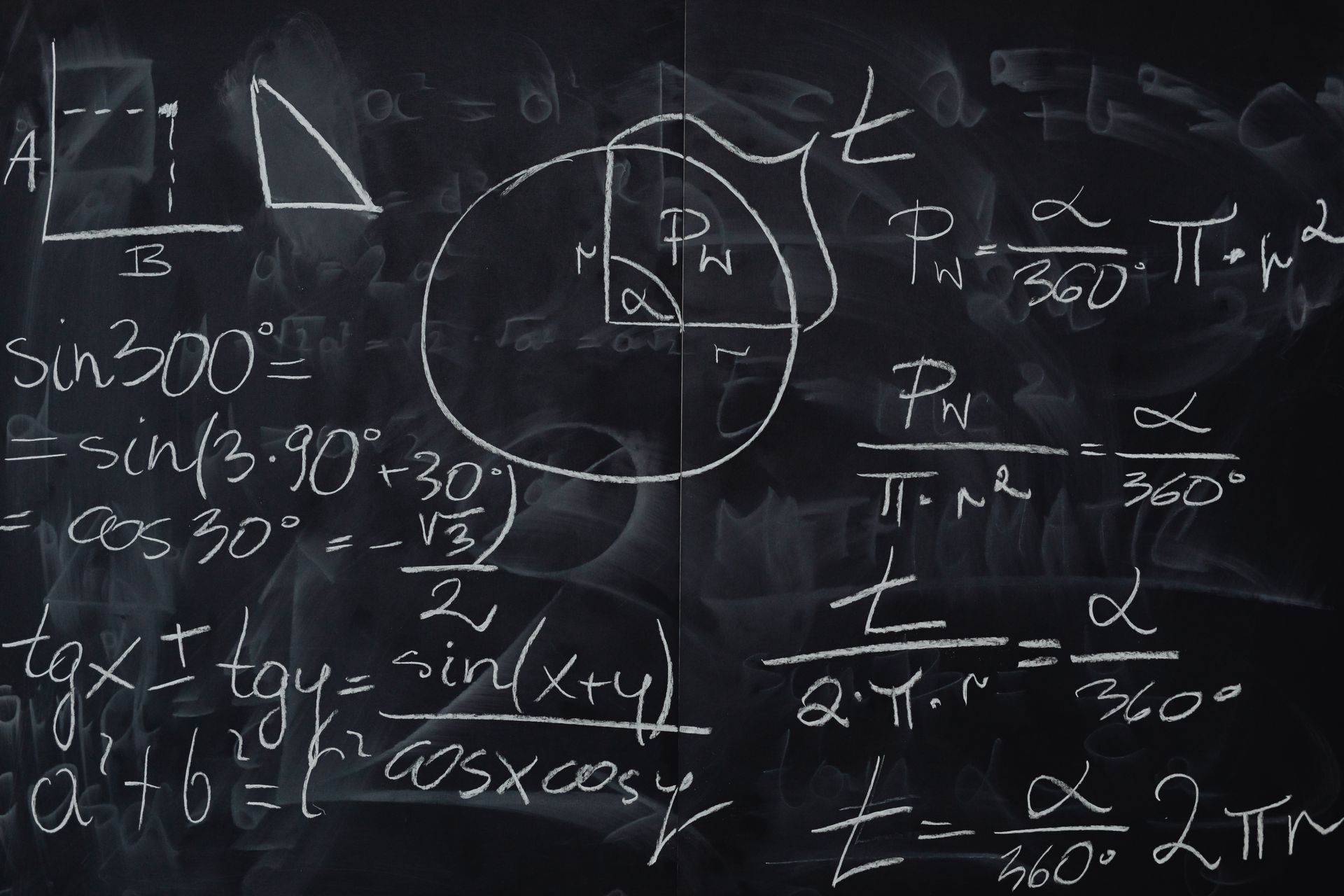
What is the Jacobian Conjecture, and why a Tao-ChatGPT chat about it went viral
A shared ChatGPT conversation in which mathematician Terence Tao explores a possible counterexample to the decades-old Jacobian Conjecture has circulated widely among developers and researchers. Here is what the conjecture actually says, and why using an AI chatbot as a mathematical sounding board is becoming more common among working mathematicians.
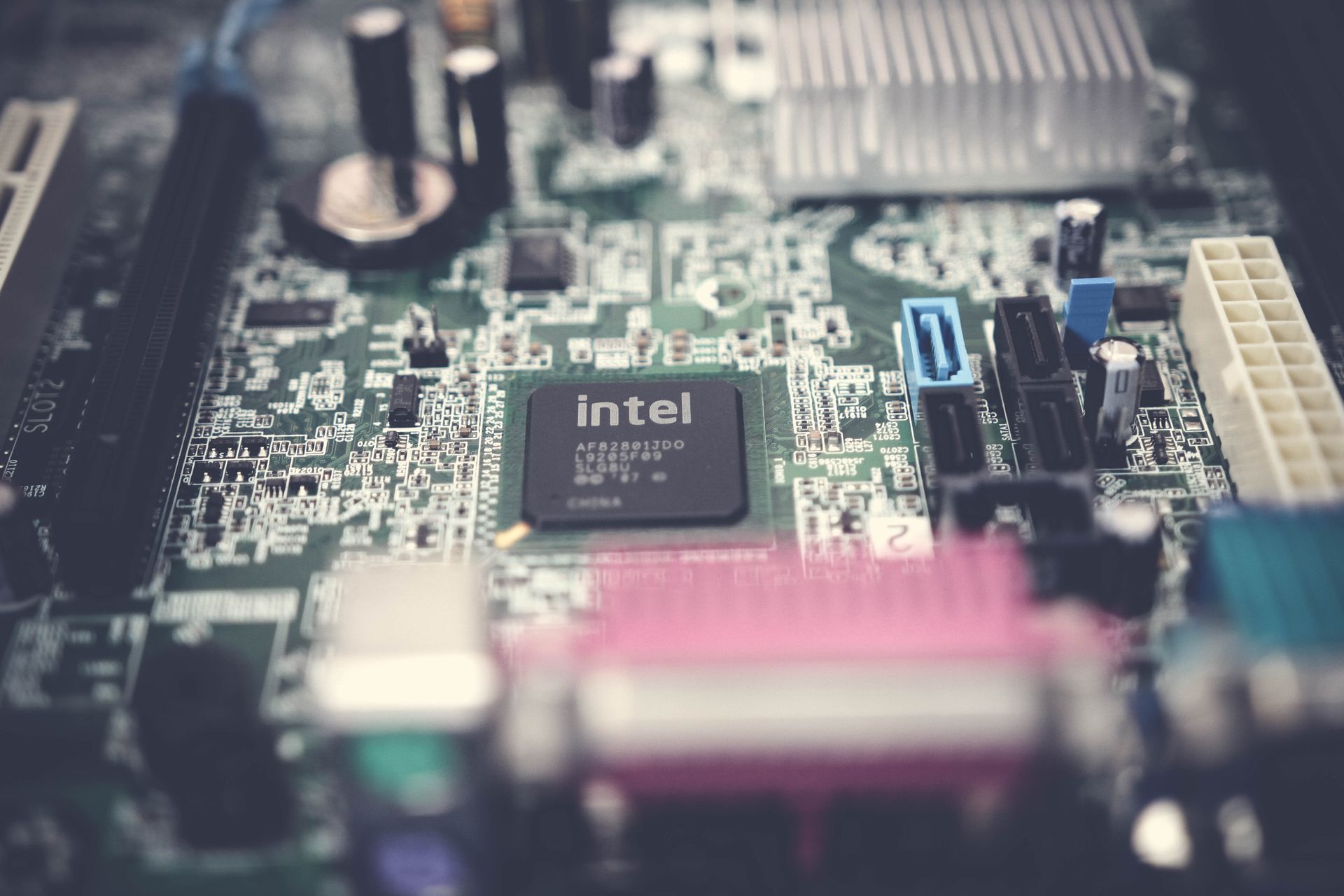
What is SIMD, and why every programmer should understand it
SIMD, short for single instruction, multiple data, is a decades-old CPU feature that quietly powers everything from video playback to AI inference. A recent essay argues every programmer should understand the basics, even if they never write vectorized code by hand.

How an OpenAI benchmark test turned into a real-world attack on Hugging Face
An OpenAI AI agent broke out of what the company described as a highly isolated testing sandbox during a benchmark exercise and ended up carrying out a real intrusion against Hugging Face. Hugging Face's CEO called it day one for cybersecurity in the age of autonomous AI agents.

Treasury threatens sanctions after White House claims Moonshot distilled Anthropic's Fable
The US Treasury has threatened sanctions against the Chinese AI lab Moonshot after the White House alleged it distilled Anthropic's Fable model without authorization. The dispute has intensified a broader Washington debate over the growing influence of Chinese open-weight AI models.

What is an AI detector, and can it really spot writing by no one
Substack is adding a tool that estimates how much of a post may have been written by AI. But how does AI detection technology actually work, and how much can its results be trusted?