AMD's Helios rack-scale system takes direct aim at Nvidia's AI dominance
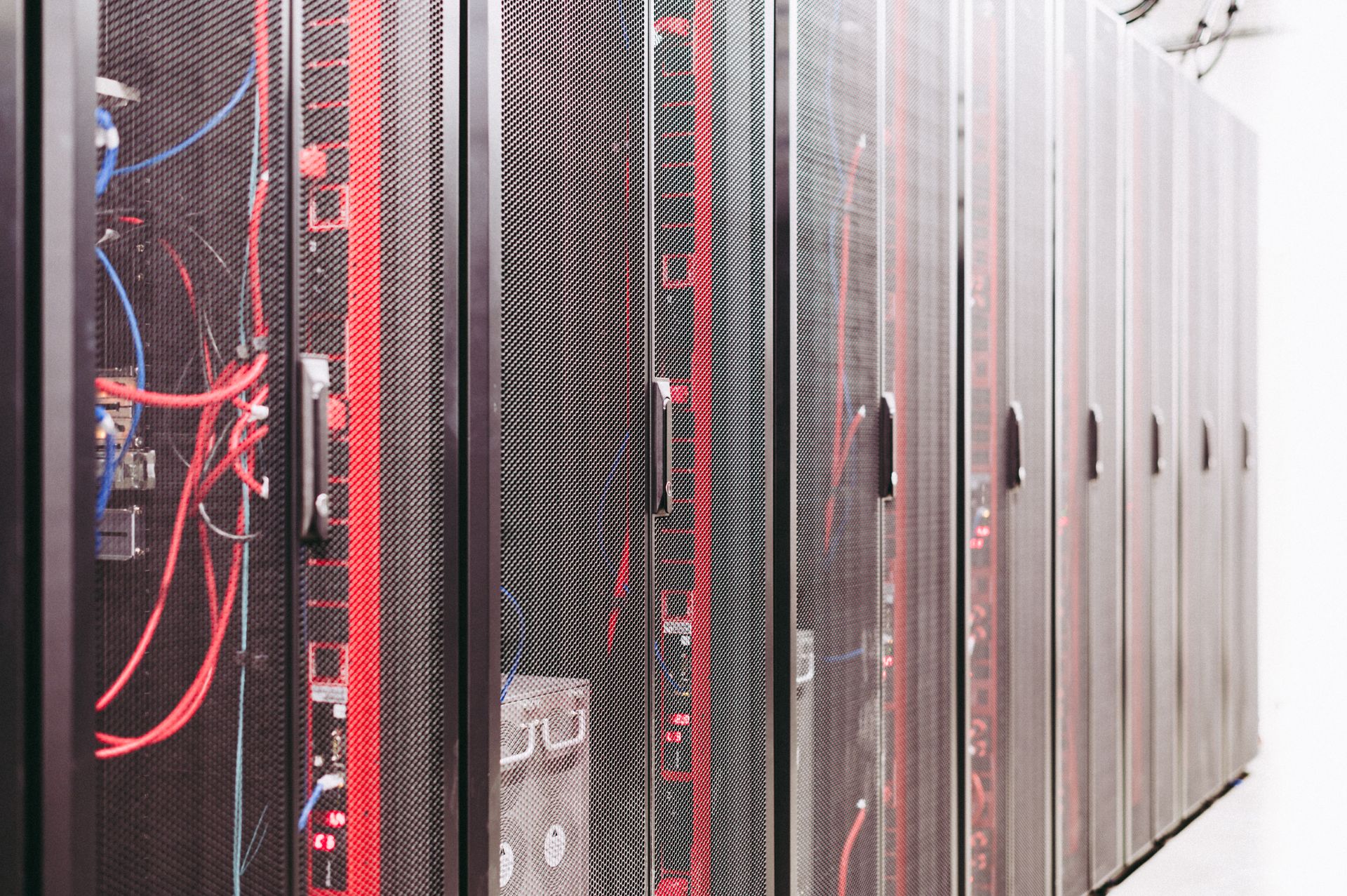
One of the most concrete challenges yet to Nvidia's years-long dominance of the AI infrastructure market is now coming from AMD. The company has unveiled Helios, described as a "rack-scale" system that will begin shipping to customers later this year.
Rack-scale systems move beyond individual chips, designing processors, memory, networking and cooling as a single integrated unit. The goal of this approach is to maximise efficiency in data centres for extremely compute-intensive workloads such as training large language models.
Nvidia dominates much of this market with its GPUs and its own rack-scale platforms; its hardware has become the de facto industry standard for training nearly all of today's largest AI models. AMD's push with Helios is seen as one of the most serious attempts yet to break that grip.
AMD's strategy rests on competing not just on raw processing power but on total cost of ownership. The company is aware that major cloud providers and AI labs want to diversify their GPU supply rather than depend on a single vendor, and it is trying to turn that desire to its advantage.
Behind this competition lies an explosion in AI companies' appetite for compute. Each new generation of large language models demands multiples more computing resources than the last, pushing data centre operators to diversify hardware suppliers and keep costs under control.
Experts say Helios's launch carries both opportunity and risk for AMD. The opportunity lies in winning over major customers frustrated by Nvidia's supply constraints or pricing; the risk lies in the software ecosystem. Nvidia's CUDA software platform remains one of its strongest competitive advantages, keeping developers tied to the company.
AMD has spent years developing its own open-source software layer, ROCm, but analysts say it still lags Nvidia in software maturity. Helios's success will depend heavily on how much of that software gap can be closed.
For major cloud providers, this competition carries a direct benefit: having more than one reliable supplier increases bargaining power and reduces dependence on a single company. That could help bring down the cost of AI infrastructure over the medium term.
Analysts don't expect Helios's launch to immediately threaten Nvidia's market share in a major way, but they stress that the move is a clear signal that the AI hardware market will no longer be dominated by a single player.
Ultimately, Helios matters because it shows AMD is a player to be taken seriously in the AI infrastructure race; the real test will come once the systems reach customers, in real-world performance and software support.
Read next

Why writing by hand is still better for your brain than typing
Keyboards and touchscreens dominate everyday writing, but a growing body of research shows that putting pen to paper engages the brain differently — and more deeply — than typing does. Here's why that difference emerges, and when it actually matters.

How Google's selfie login works, and how safe it actually is
Google is rolling out a feature that lets people use a short selfie video instead of a password to access their account, verify their age, or generate AI avatars. Here's how the underlying technology works and what it means for privacy.

What is negative cash flow, and why did Google just post its first one
Google continues to report record quarterly revenue, but its spending on AI infrastructure has ballooned so sharply that the company posted negative free cash flow for the first time in its history. Here's what cash flow actually measures, and why it matters even for a hugely profitable company.

US warns Iran-linked hackers are targeting water and energy providers
An updated US government advisory warns that Iranian-linked hackers are exploiting systems used by water and energy providers, urging critical infrastructure operators to tighten their defences against the ongoing intrusions.

Science Corporation's vision-restoring chip wins EU approval
Science Corporation, the biotech startup founded by former Neuralink president Max Hodak, has won European regulatory approval for a retinal implant designed to restore partial vision to people blinded by age-related macular degeneration. The approval marks a milestone for a company still working to prove a viable business around implantable neurotechnology.