Made by Google 2026: what to expect from today's Pixel 11 launch event
Google is set to reveal a wave of new Pixel devices later today, at its annual Made by Google event on August 12th. In the run-up to the show, a steady drip of leaks has offered an unusually detailed preview of what's expected to be unveiled, from a broader Pixel 11 phone lineup to new wearables and possibly a completely new accessory category for the company.
The centerpiece of the event is expected to be the Pixel 11 series, with leaks pointing to an expanded range of color options compared with previous generations. Among the more specific rumors is a built-in light reportedly coming to the Pro models — details on exactly how it will function haven't been confirmed, but leak-watchers have speculated it could be tied to notifications or camera assistance, a feature that would set the higher-end models apart from the standard Pixel 11.
Alongside the phones, teasers from Google itself have pointed to a next-generation Pixel Fold, continuing the company's foldable phone line into another hardware cycle. Google has used previous Made by Google events to iterate on the Fold's hinge design, display durability and overall form factor, and this year's version is expected to build on those refinements rather than represent a completely new direction.
Wearables are also on the expected list, with signs pointing to a Pixel Watch 5 arriving in four different finishes. A broader range of finishes suggests Google is leaning into the smartwatch as a more personalized fashion accessory as much as a fitness and notification device, a positioning strategy increasingly common across the smartwatch category as a whole.
Perhaps the most novel rumor circulating ahead of the event is the possibility of a new Pixel Tag tracker — a small, attachable device designed to help locate misplaced items like keys or bags using a phone's location-finding network. If confirmed, it would put Google squarely into a hardware category that has become increasingly competitive as item trackers have grown from a niche accessory into a mainstream one.
The timing of today's reveal has its own quirks. On Google's website, the countdown for Pixel 11 preorders is set to end at 10AM ET — a full eight hours before the Made by Google livestream itself, which is scheduled for 6PM ET. That gap suggests Google may confirm at least some device details, pricing or preorder availability well before the show officially begins, a pattern that has become increasingly common across the tech industry as companies try to manage leaks by getting ahead of them.
This year's livestream will be hosted by comedian Trevor Noah, continuing Google's recent shift toward a more entertainment-oriented format for what was once a straightforward hardware briefing. The guest lineup reported for the show includes NBA star Stephen Curry, podcaster Alex Cooper and Indian cricketer Shubman Gill, a roster that spans sports, entertainment and international audiences rather than sticking to the tech commentators and reviewers who once dominated product launch coverage.
That entertainment-first approach reflects a broader strategy shift for Made by Google events in recent years, leaning into celebrity guests and talk-show-style segments rather than the spec-sheet-heavy presentations that once defined smartphone launches. The aim appears to be reaching casual viewers who might tune in for the celebrity lineup and come away aware of the new Pixel devices, rather than only capturing an audience of dedicated phone enthusiasts already tracking every leak.
Beyond the hardware specifics, the event also sits within Google's broader push to weave its Gemini AI assistant more deeply into Pixel devices, an integration that has become a central selling point across the company's phone, watch and tablet lineup in recent product cycles. Expect any newly announced hardware to be framed at least partly around how tightly it works with Gemini's voice, image and on-device AI capabilities, rather than purely on traditional specs like camera hardware or battery life.
With so much already leaked, today's Made by Google livestream is likely to function more as an official confirmation and a chance to see final pricing, release dates and design details than as a genuine surprise reveal. Still, the gap between what's rumored and what Google actually announces on stage — particularly around the possible Pixel Tag tracker — will be the detail worth watching most closely once the show gets underway this evening.
Read next
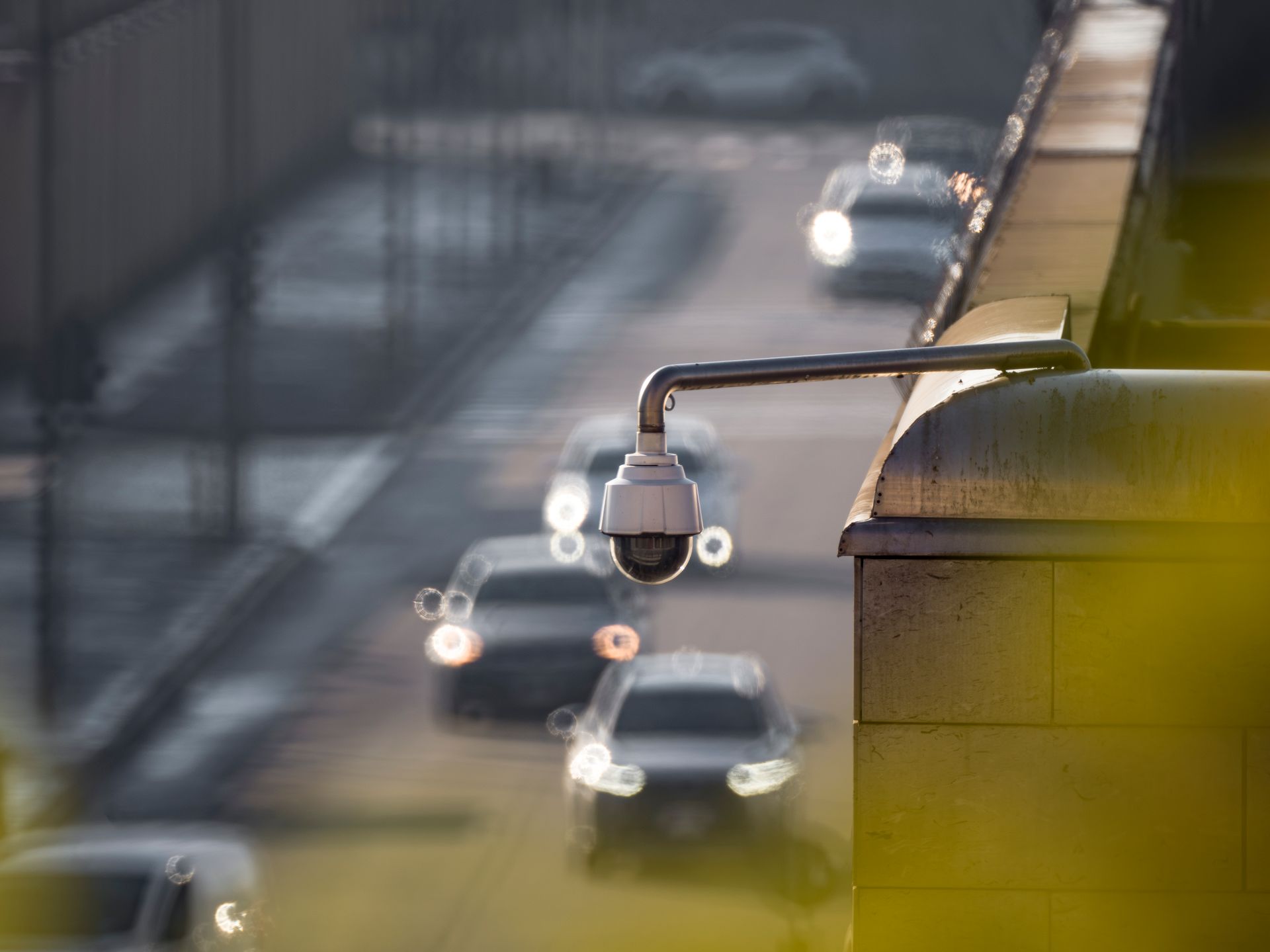
How new surveillance tech links your phone to your license plate
Researchers report that roadside cameras photographing license plates are increasingly paired with equipment that also captures wireless signals from nearby phones. That combination can turn a simple 'this car passed here' record into a much richer profile of who was actually inside.

What are device-bound session credentials, and how do they stop the newest form of account takeover?
Google's Chrome browser has begun rolling out device-bound session credentials, described as among the strongest protections yet against a rapidly growing category of account takeover. The feature targets a technique that steals the session tokens keeping a user logged in, rather than stealing their password.
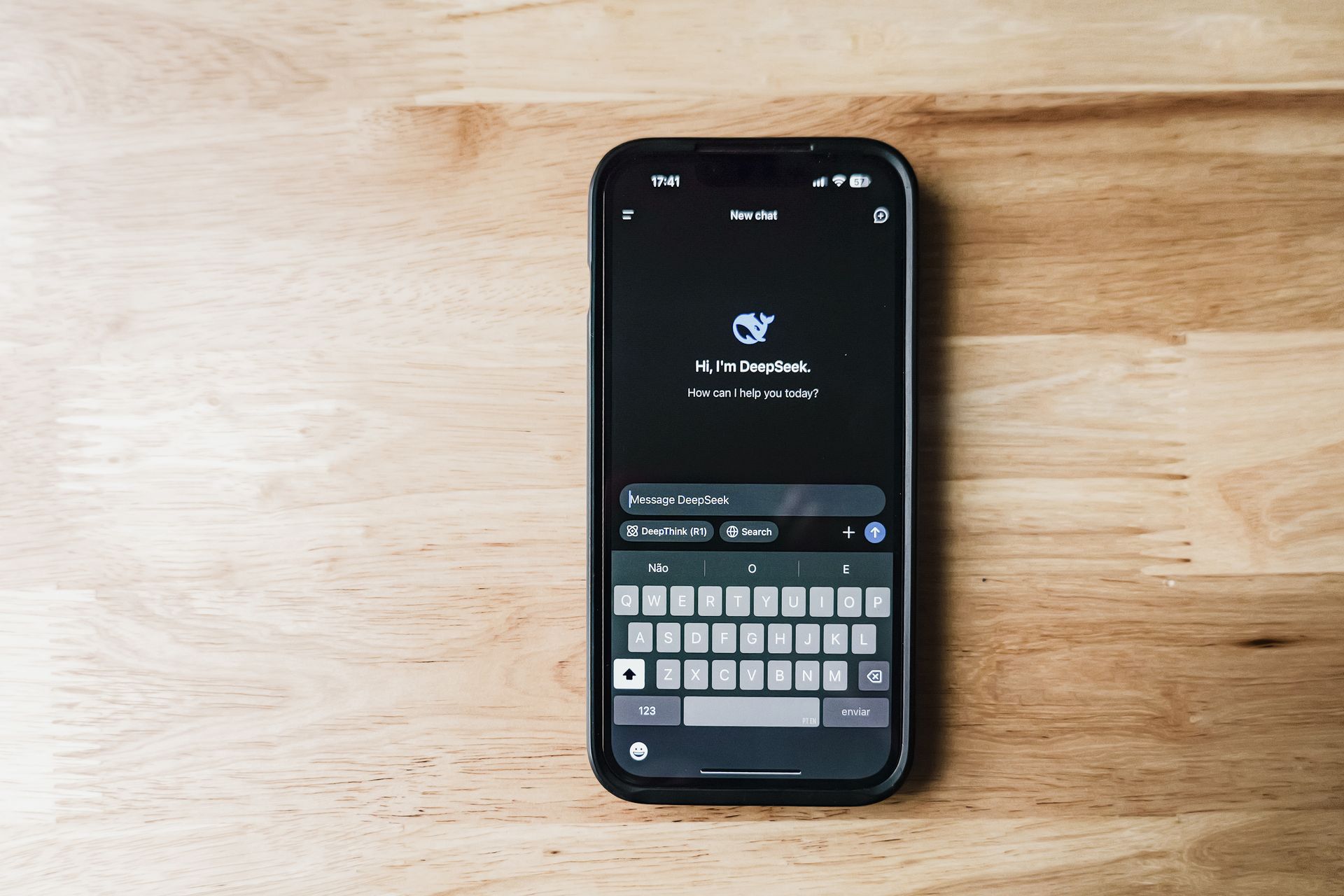
Gemini hits 1 billion users: how people are actually using Google's AI chatbot
Google announced that its flagship consumer AI app, Gemini, has surpassed 1 billion users. The company also revealed that 63% of Gemini users talk directly to the assistant using its voice feature, and that Gemini now generates more than 150 million images every day.

What is the Riemann hypothesis, and how close is AI to solving it?
On the Riemann hypothesis, one of mathematics' most famous unsolved problems for more than 150 years, an unreleased Anthropic AI model reportedly made significant progress. The model didn't prove the hypothesis, but went further than many experts expected an AI system to get.

What are small language models, and why are they starting to rival giant AI systems?
Liquid AI's new LFM2.5 model, with just 2.6 billion parameters, is competitive with models four times its size. It's the latest example of a fast-growing small language model movement challenging the assumption that bigger is always better in AI.