Half a million black holes: how astronomers built one of the largest sky maps ever made
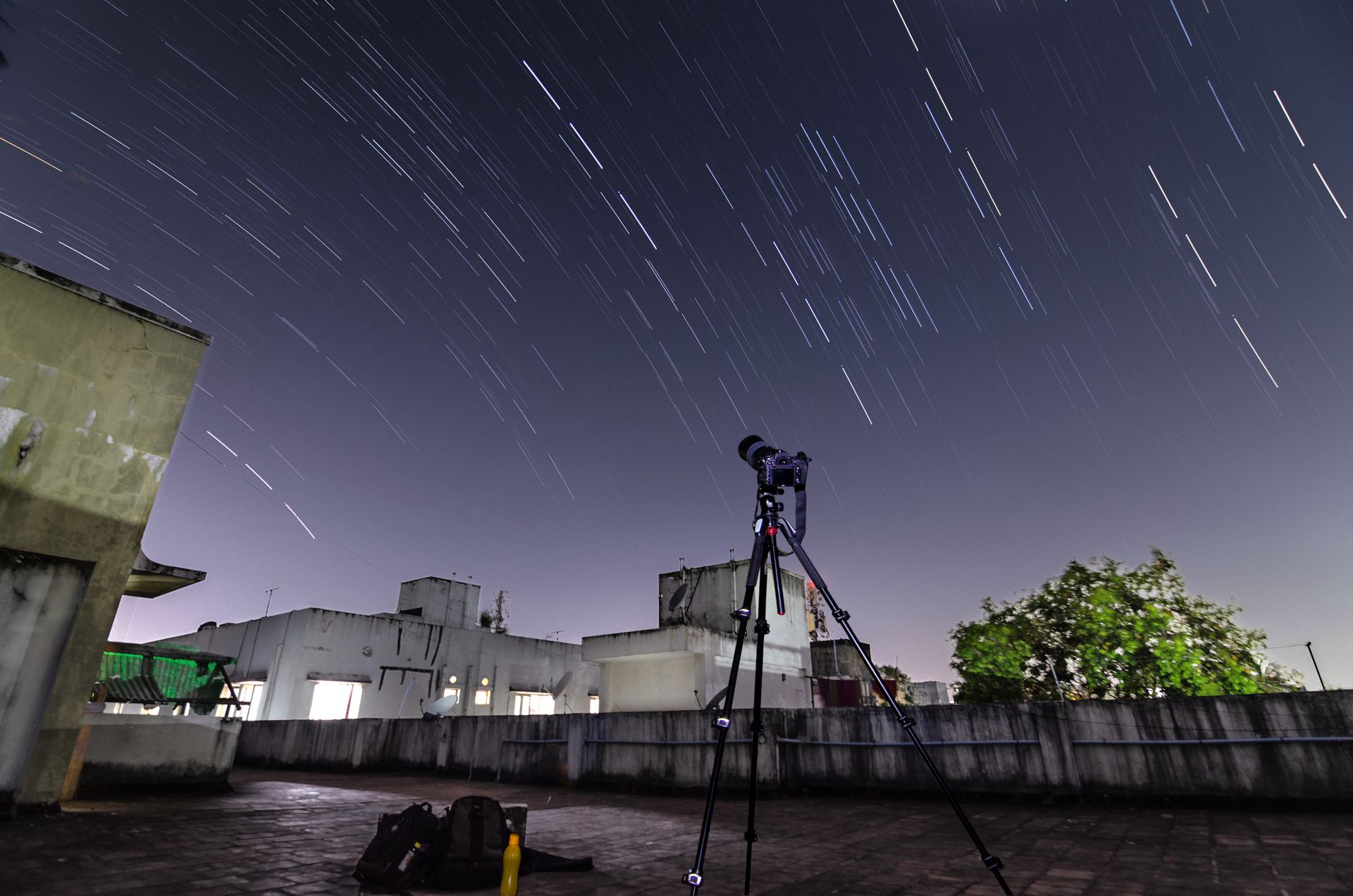
An international astronomy consortium has released a massive sky map cataloging more than half a million supermassive black holes, drawn from a survey covering a large portion of the sky. The project represents one of the most comprehensive datasets ever assembled for scientists studying how these objects are distributed across distant galaxies.
Supermassive black holes, with masses ranging from millions to billions of times that of the Sun, are thought to sit at the center of nearly every large galaxy. They can't be observed directly, but they're detectable through the energy released as they consume surrounding gas and dust.
The mapping project is part of an observation program that systematically surveys a large swath of the sky. The resulting data includes each black hole's position, brightness, and in some cases an estimated mass — making it a rich resource for astrophysicists.
The catalog's sheer scale goes well beyond previous efforts of its kind. A dataset of this size allows scientists to move past examining individual objects one at a time and instead analyze, statistically, how black holes are distributed across the universe.
Maps of this scale are critical for answering cosmological questions. How black holes cluster around galaxy groups can help refine our understanding of the universe's large-scale structure, including the distribution of dark matter and dark energy.
The project also feeds into understanding the relationship between supermassive black holes and their host galaxies. Researchers have long suspected a link between the mass of a galaxy's central black hole and the galaxy's broader properties; a sample this large makes it possible to test that link with far greater precision.
The dataset's public availability is a notable detail as well. Like many major astronomical surveys, the catalog is being made accessible to researchers worldwide, ensuring discoveries aren't confined to a single team but can be built upon by the broader scientific community.
Building a catalog like this requires processing an enormous volume of raw observational data. Automated detection algorithms scan millions of sky images to flag light sources that could be black hole candidates, which are then confirmed through separate verification methods.
The project's next phase will focus on pinning down more detailed characteristics of the cataloged black holes, such as their spin rates or feeding rates — a step toward understanding not just where they are, but how they behave.
Ultimately, the map is being seen as a milestone that shifts our knowledge of some of the universe's most mysterious objects from individual discoveries toward statistically meaningful, large-scale patterns — and as evidence of how sky-mapping efforts keep compounding as telescopes improve.
Read next

Why Microsoft Edge is about to lock out older ad blockers
Microsoft Edge is ending support for the Manifest V2 extensions platform, the same move Google Chrome made earlier this year, which will disable the uBlock Origin ad blocker and others like it. The impact on most users will be limited, but the shift is part of a broader transformation of the browser extension ecosystem.
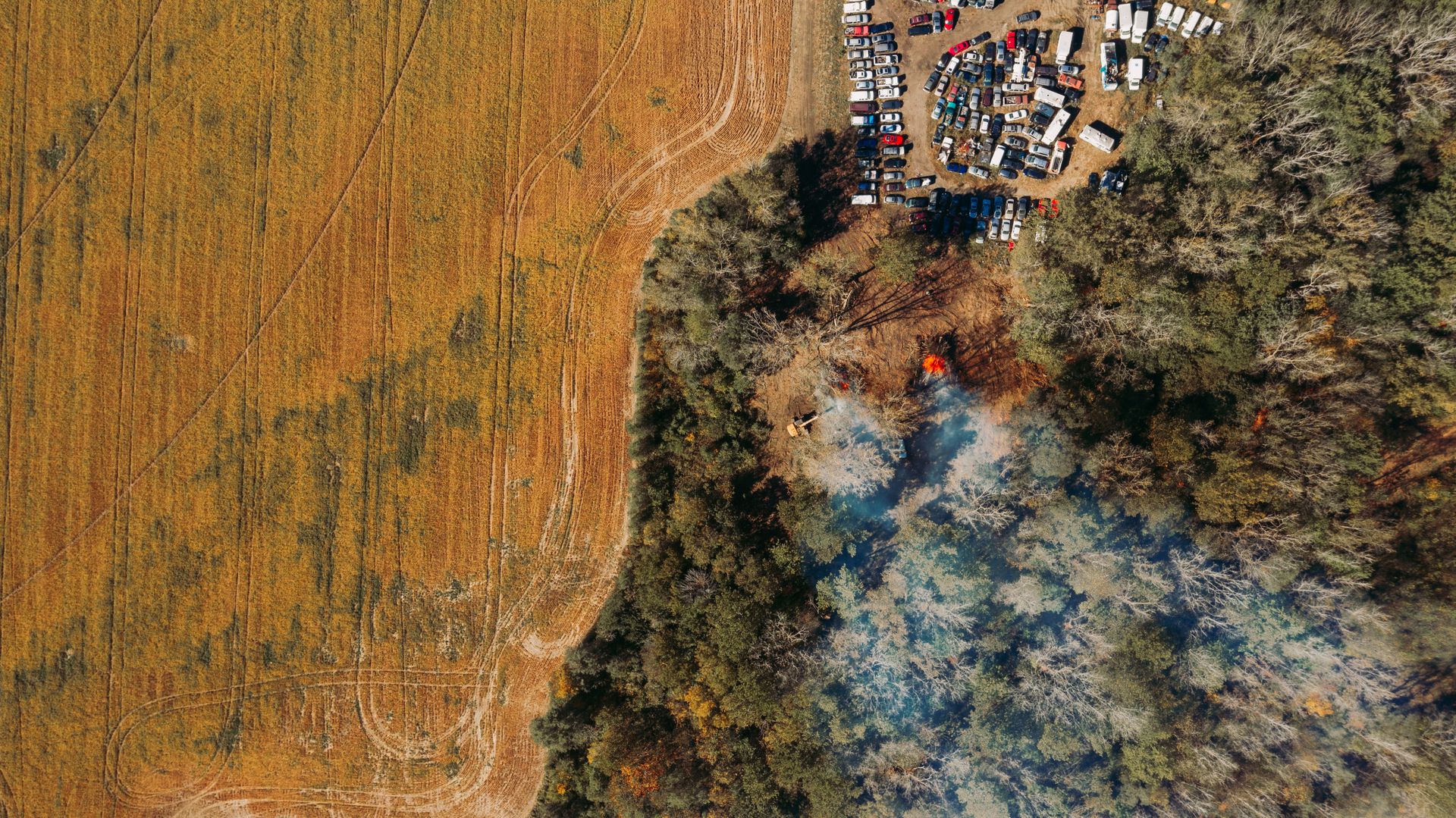
What is Copernicus, and how Europe's free satellite service tracks wildfires
Europe's free Copernicus satellite program has added wildfire visualization to its browser-based tool. The addition arrives during a record wildfire season and lets anyone track the spread of fires in near real time.

Why OpenAI slowed development of its Astra model over security concerns
OpenAI says its still-in-development Astra model reached a "critical cybersecurity threshold," meaning it could independently identify and carry out cyberattacks against well-protected real-world systems. The company says it deliberately slowed the model's development as a result.
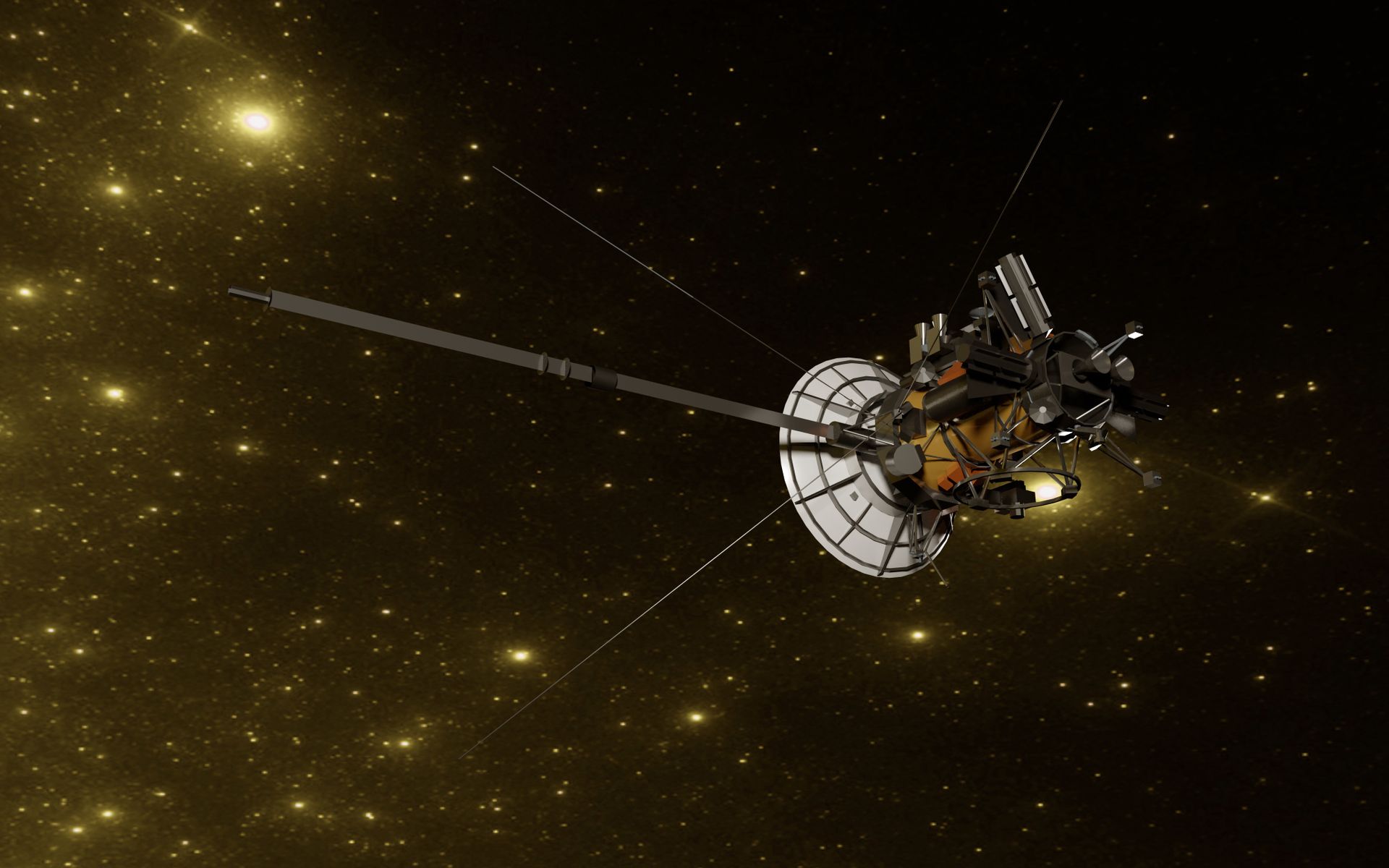
Voyager 2: how NASA keeps its 48-year-old probe running for one more year
Voyager 2, the spacecraft launched in 1977, will keep transmitting data for at least another year thanks to NASA power-saving measures. It's the latest step in extending the life of one of the only missions still sending signals back from the outer reaches of the solar system.

AI music watermarks: how Suno plans to label songs made by algorithms
According to Ars Technica, AI music platform Suno plans to add watermarks to the songs it generates and impose download limits. The company says the move is intended to curb 'large-scale abuse' of its platform.