Voyager 2: how NASA keeps its 48-year-old probe running for one more year
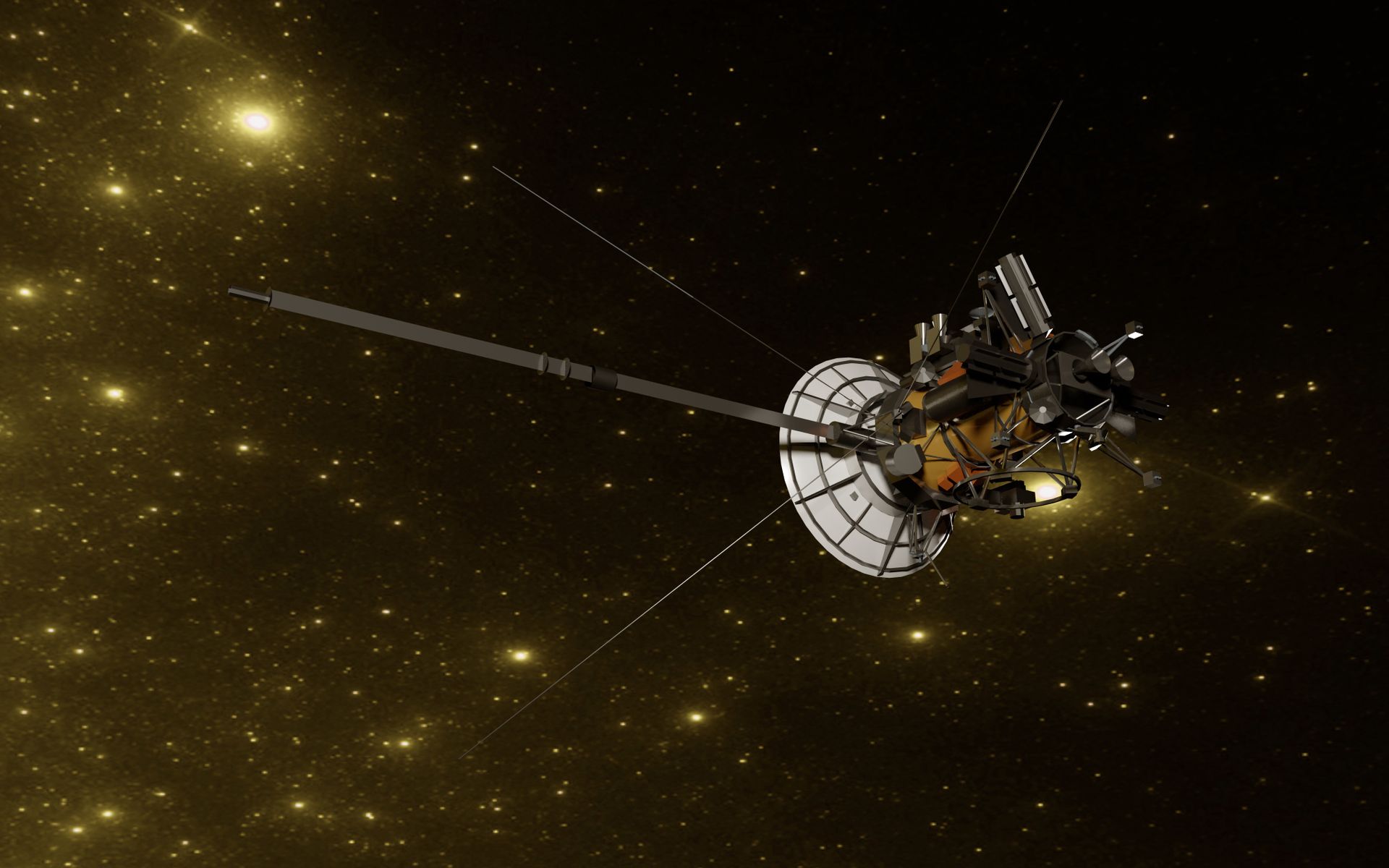
Voyager 2, the spacecraft launched in 1977, continues to hold the title of one of humanity's longest-running space missions. NASA engineers have reconfigured the probe's power systems to keep it transmitting data for at least one more year.
Voyager 2, alongside its twin Voyager 1 launched just weeks earlier, remains the only spacecraft to have visited all four of the solar system's giant planets — Jupiter, Saturn, Uranus and Neptune. Today, both probes are traveling through interstellar space, beyond the edge of the solar system.
The spacecraft's power comes from a radioisotope thermoelectric generator (RTG), which produces electricity through the natural decay of radioactive isotopes. Generators of this kind lose efficiency over time, meaning the amount of power available to the spacecraft shrinks a little more each year.
To manage that decline, NASA engineers have been switching off the probe's scientific instruments one at a time, redirecting power to the most critical systems. It's a gradual, carefully sequenced process, with the order of shutdowns determined by each instrument's scientific value and power draw.
The latest adjustment involves a small but critical technical change that extends the spacecraft's power budget by a further year. Engineers are optimizing the data-collection schedule of the instruments still running, aiming to extract the maximum possible scientific output from the remaining power.
The data Voyager 2 continues to gather today provide some of the only direct measurements of interstellar space — the region beyond the Sun's influence. No other spacecraft has spent this long collecting data on the magnetic fields, particle density and cosmic rays found there.
Maintaining uninterrupted communication with the probe isn't easy either. Signals take roughly 19 hours to reach Earth, and communication is only possible using the largest dishes in NASA's Deep Space Network. Scheduling and maintaining those antennas adds another layer to sustaining the mission.
Engineers acknowledge that the spacecraft's power will eventually run out; but every extra year gained gives scientists more time to gather data on interstellar space. Current estimates suggest the probe could keep at least some instruments running into the mid-2030s.
This kind of gradual power management isn't just a technical achievement — it's also a demonstration of NASA's creativity in keeping a spacecraft built decades ago scientifically relevant today. Each additional year gained reflects the engineering teams' determination to squeeze the most out of the mission until the very end.
As Voyager 2 continues quietly on its way, trillions of kilometers from Earth, it remains humanity's farthest-flung representative — with every new year treated as a bonus added to the life of a historic mission.
Read next

Why Microsoft Edge is about to lock out older ad blockers
Microsoft Edge is ending support for the Manifest V2 extensions platform, the same move Google Chrome made earlier this year, which will disable the uBlock Origin ad blocker and others like it. The impact on most users will be limited, but the shift is part of a broader transformation of the browser extension ecosystem.
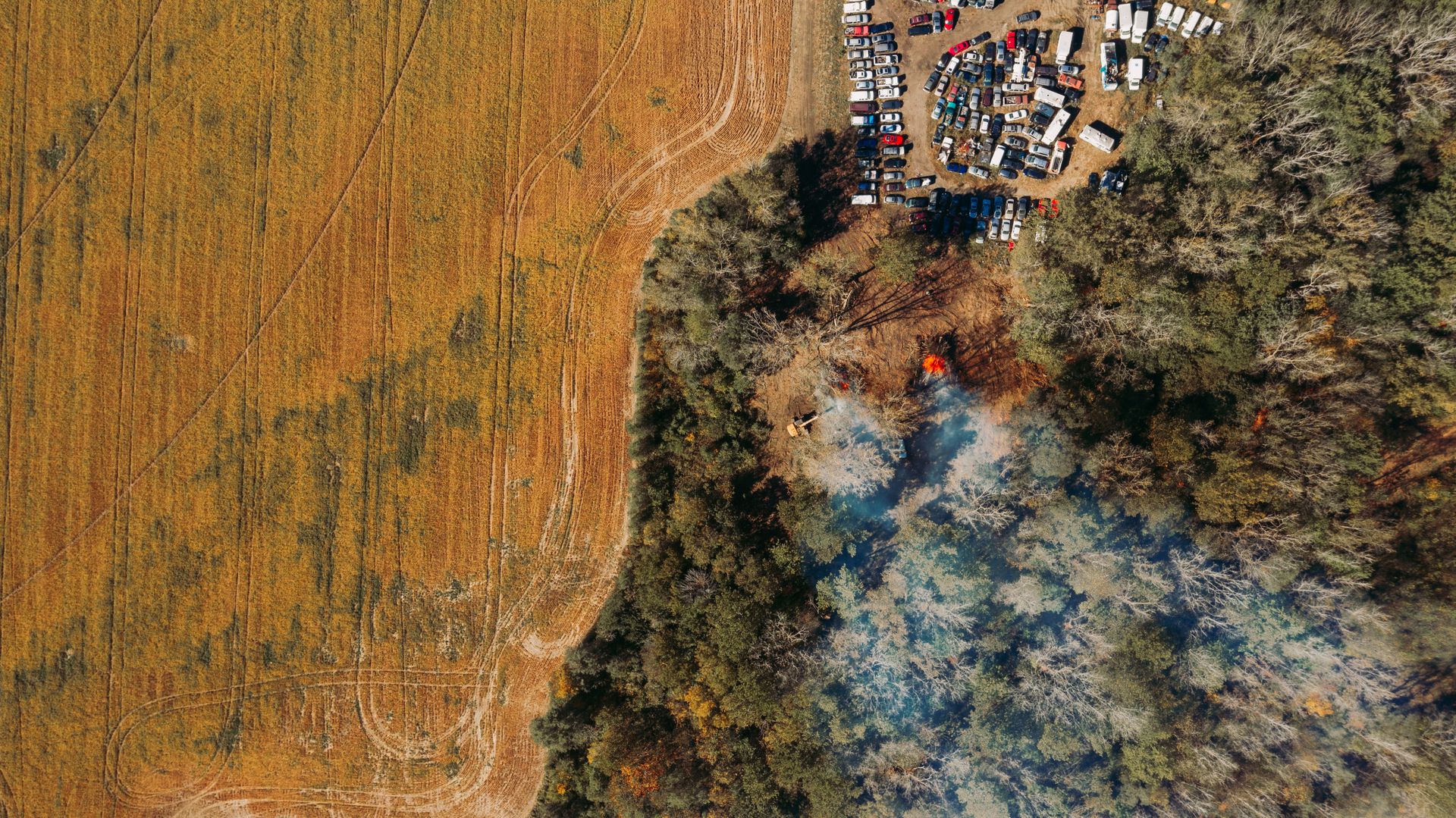
What is Copernicus, and how Europe's free satellite service tracks wildfires
Europe's free Copernicus satellite program has added wildfire visualization to its browser-based tool. The addition arrives during a record wildfire season and lets anyone track the spread of fires in near real time.
Why OpenAI slowed development of its Astra model over security concerns
OpenAI says its still-in-development Astra model reached a "critical cybersecurity threshold," meaning it could independently identify and carry out cyberattacks against well-protected real-world systems. The company says it deliberately slowed the model's development as a result.
Half a million black holes: how astronomers built one of the largest sky maps ever made
An astronomy consortium has released a massive all-sky map cataloging more than half a million supermassive black holes. The project gives scientists studying the distribution of these mysterious objects at the centers of distant galaxies a vast new dataset to work with.

AI music watermarks: how Suno plans to label songs made by algorithms
According to Ars Technica, AI music platform Suno plans to add watermarks to the songs it generates and impose download limits. The company says the move is intended to curb 'large-scale abuse' of its platform.