CD sales are rising again: why people are buying more physical music
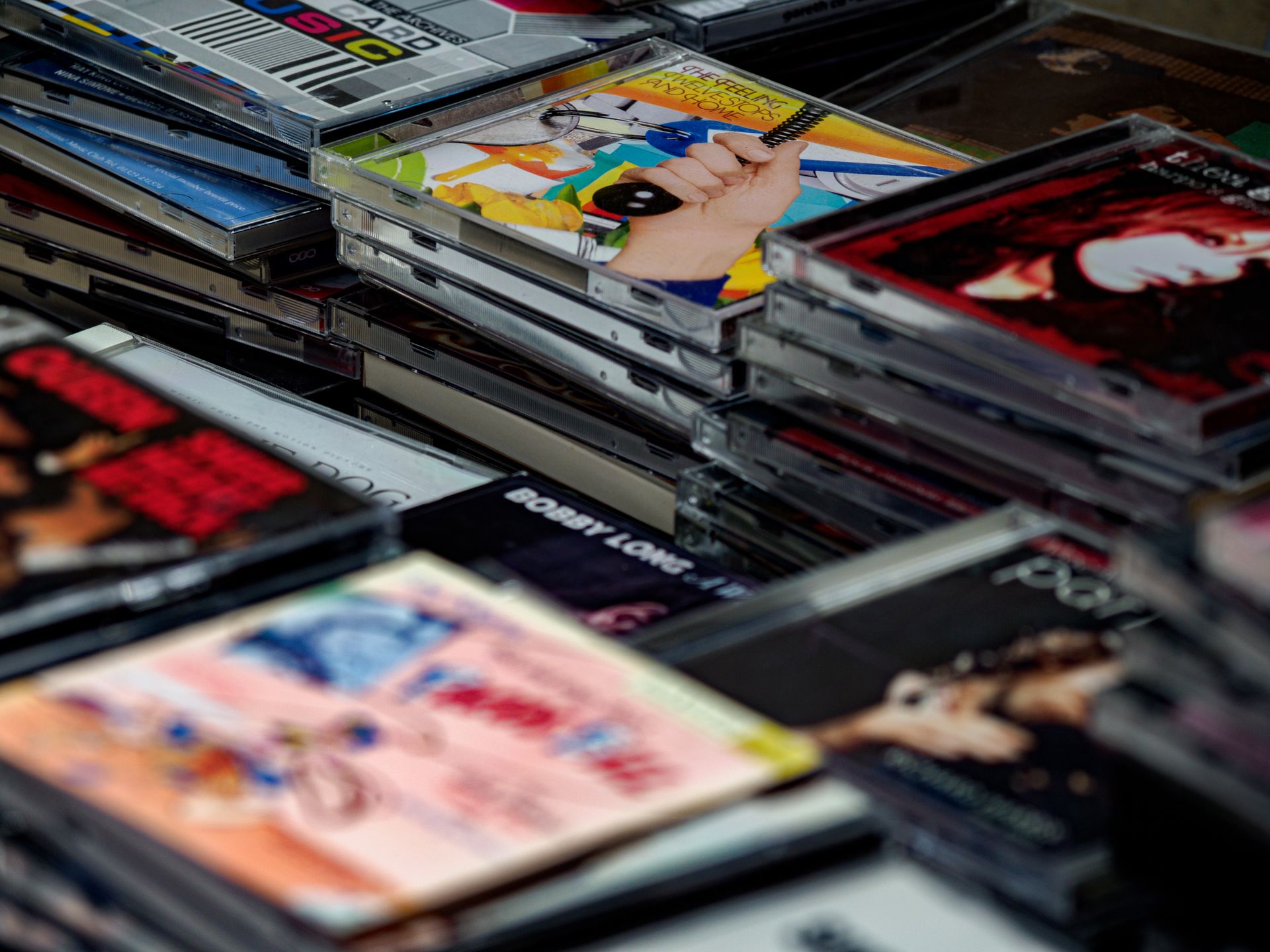
CD sales are rising in the US for the first time in years, according to new data from research firm Luminate, with 16.3 million discs sold in the first half of 2026 — a 16% increase over the same period a year earlier. After roughly two decades of steady decline following the format's peak in the late 1990s and early 2000s, the reversal has surprised much of the music industry.
Much of the increase is being attributed to K-pop, a genre whose fan culture has long centered on physical album purchases. Luminate points to 'collection building' driven by releases such as BTS' ARIRANG album, alongside what the firm describes as a generally strong K-pop release schedule in the period studied. K-pop labels frequently package CDs with photocards, posters and other collectible inserts, encouraging fans to buy multiple copies of the same release.
But the K-pop effect only explains part of the story. Even when K-pop sales are stripped out of the data, CD sales in the US still rose 6.7% year-over-year, suggesting a broader shift in how at least some listeners are choosing to buy music rather than merely stream it.
Price is one clear driver. Vinyl, the format most associated with the broader physical-media revival of the past fifteen years, has become significantly more expensive to produce and buy, with new releases commonly retailing well above $30. A new CD, by contrast, often costs a third of that or less, making it a more accessible entry point for fans who want something physical to own without vinyl's price tag.
Collectability plays a role that has little to do with audio quality or nostalgia for the format itself. Limited editions, bonus tracks, exclusive packaging and numbered pressings have turned some CD releases into objects valued for scarcity and completeness rather than for playback, a dynamic closely mirroring how trading cards or vinyl variants are collected and, in some cases, resold.
That dynamic is reflected in how some buyers actually use their purchases. Luminate's research suggests a meaningful share of CD buyers are not necessarily playing the discs at all — many households no longer own a CD player — but are instead buying them as collectible objects or as a direct way to financially support an artist, since streaming payouts per play are famously small.
The economics of streaming help explain why fans concerned about supporting artists directly might turn to physical formats. A single stream typically generates a fraction of a cent for rights holders, split further between the artist, label and other stakeholders, while a CD purchase delivers a larger, more immediate one-time payment closer to the point of sale.
The CD's resurgence sits alongside, rather than instead of, the vinyl revival that has dominated physical-media headlines for over a decade. Vinyl sales have continued to grow in dollar terms even as unit growth has slowed, reflecting rising prices as much as rising demand, while CDs — cheaper and more compact — appear to be picking up buyers vinyl has priced out.
Younger listeners factor prominently in the trend, according to industry analysts, despite having grown up as the first generation raised primarily on streaming rather than any physical format. For some in this group, buying a CD or vinyl record functions less as a way to hear music, which streaming already provides instantly, and more as a tangible marker of fandom in an era when most listening leaves no physical trace at all.
Whether the growth holds beyond a strong release cycle for K-pop remains an open question the industry is watching closely. But the reversal, however modest against the format's historic peak, has been enough to prompt record labels and retailers to reconsider CD production and shelf space they had largely written off a decade ago.
Read next

SpaceX aborts second Starship V3 launch attempt after engine ignition
SpaceX halted its second attempt to launch the newest Starship V3 vehicle just after its engines ignited, without immediately explaining what went wrong. Shares of the company fell in after-hours private trading before paring some of the losses.

Ransomware attack halts Coca-Cola's Fairlife dairy production in the US
Coca-Cola says production at its Fairlife dairy unit will remain suspended in the United States after a ransomware attack, the latest in a run of cyberattacks hitting food and beverage manufacturers. Here is what is known so far, and why the sector has become a recurring target.

Hyundai workers strike over the automaker's humanoid robot rollout plan
Workers at a Hyundai auto factory have gone on strike over the company's plan to deploy 25,000 Atlas humanoid robots, starting with US plants in 2028. The dispute reflects a wider tension in manufacturing as automakers move humanoid robots from pilot programs toward production lines.

Why 'human-in-the-loop' AI oversight keeps failing in practice
Keeping a human in the loop is the default answer to worries about autonomous AI agents making mistakes. But as agents take on more tasks, engineers are finding that the humans reviewing them grow fatigued and start rubber-stamping — turning a safety mechanism into a formality.

Stripe and Advent's reported $53 billion bid for PayPal, explained
Payments company Stripe and private equity firm Advent International have reportedly made a joint offer worth more than $53 billion to acquire PayPal, according to people familiar with the matter. Here's what such a deal would mean for the online payments industry, and why it would face serious regulatory hurdles.