SpaceX aborts second Starship V3 launch attempt after engine ignition
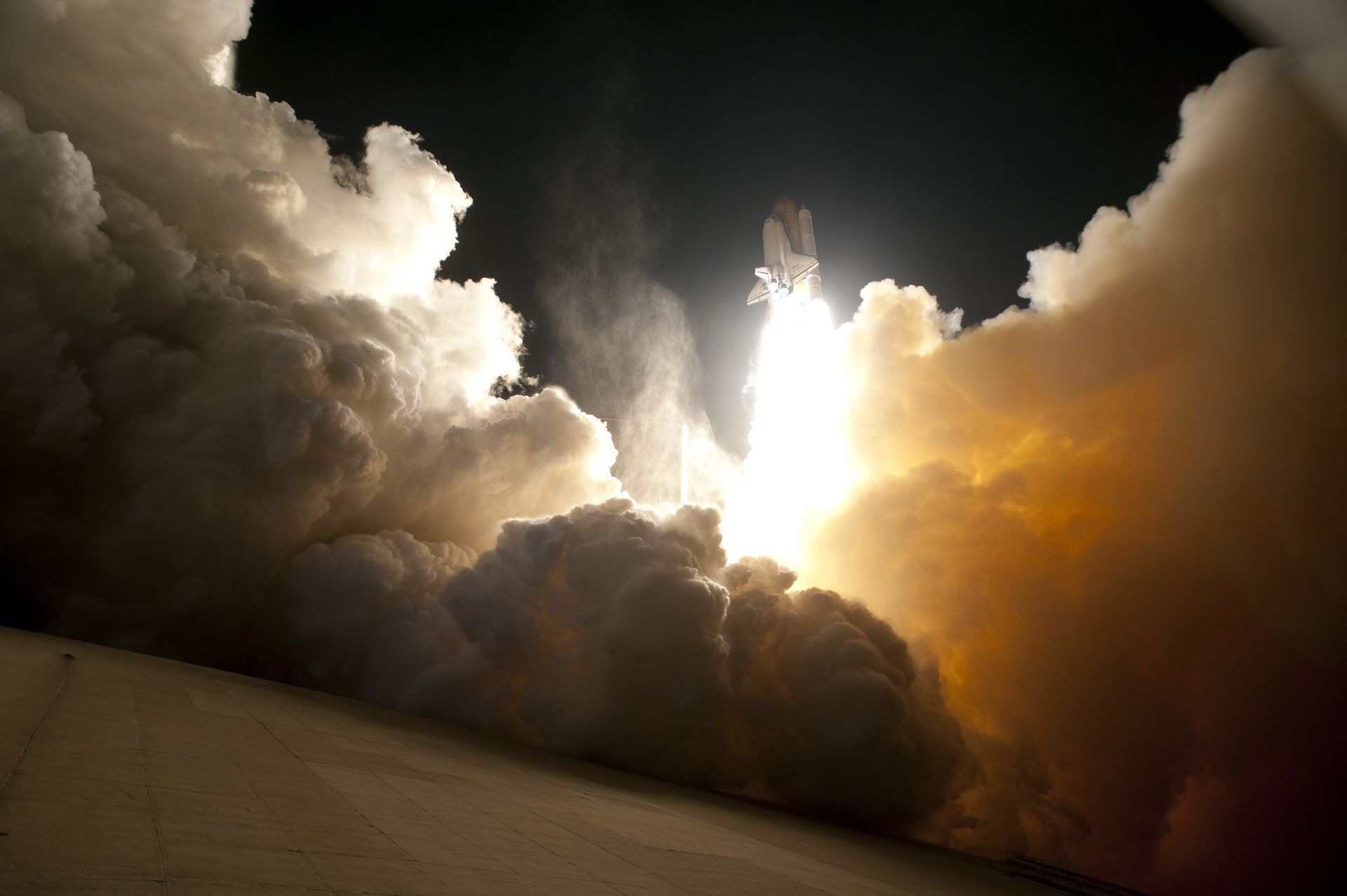
SpaceX aborted its second attempt to launch the newest version of its Starship rocket, designated V3, moments after the vehicle's engines ignited on the pad, the company confirmed, without immediately detailing the cause of the abort. It was the second such stoppage for this particular launch attempt, following an earlier scrub.
Starship is SpaceX's largest and most powerful vehicle, central to the company's long-term ambitions for Mars missions and to NASA's Artemis program, which has selected a Starship variant to land astronauts on the Moon. The V3 designation refers to the latest iteration of the vehicle, incorporating design changes SpaceX has made following earlier test flights, including upgrades intended to increase propellant capacity and improve engine reliability.
Aborting a launch after engine ignition but before liftoff is a deliberate safety function built into the vehicle's automated systems, designed to catch anomalies detected in the fraction of a second between ignition and the moment a rocket would otherwise leave the pad. Triggering an abort at this stage, while dramatic to watch, is generally considered a sign that safety systems are functioning as intended rather than a sign of an unrelated failure.
SpaceX has not said which specific system or sensor reading triggered the abort, and the company's public statements following the incident were limited to confirming that the launch had been halted and that engineers were reviewing data before scheduling another attempt. Rocket companies typically withhold detailed technical explanations until an internal review is further along, in part to avoid speculation based on incomplete information.
The abort occurred against a backdrop of investor attention to SpaceX's private share price, which reportedly fell more than 4% in after-hours private trading following news of the aborted launch before recovering a portion of that decline. SpaceX remains a privately held company, and its shares trade primarily through periodic tender offers and secondary marketplaces rather than a public stock exchange, but those private valuations have increasingly become a closely watched proxy for investor sentiment about the company's programs.
Starship's development has followed an iterative testing approach that SpaceX has used across its rocket programs for years, deliberately flying early prototypes to failure to gather data rather than delaying tests until every system has been exhaustively validated on the ground. Under that philosophy, aborted or unsuccessful test flights are treated as an expected part of the development process rather than as unambiguous setbacks, though the approach has also drawn scrutiny from regulators and outside observers over the pace of testing near populated areas.
The vehicle's problems in this test campaign follow a mixed track record for the Starship program's most recent flights, which have included both partial successes and failures at various stages of ascent, engine performance and vehicle recovery since the rocket's first integrated test flight. Each test has been used by SpaceX engineers to refine the vehicle's design ahead of the next attempt.
NASA's reliance on a Starship variant for its Artemis lunar landing missions adds schedule pressure to the vehicle's testing campaign, since delays in Starship's development timeline have the potential to affect the broader Artemis program's own target dates for returning astronauts to the lunar surface, a dependency that has drawn periodic attention from congressional oversight committees.
SpaceX has not announced a new target date for the next Starship V3 launch attempt, saying only that the timeline will depend on the outcome of its post-abort review. The company has historically moved quickly to reschedule test flights once a review is complete, in some cases attempting a subsequent launch within days of resolving an identified issue.
Space industry analysts say the abort, while a setback to the immediate test schedule, is unlikely on its own to significantly alter longer-term expectations for the Starship program, given the vehicle's testing history and the built-in expectation among investors and NASA officials that a program of this scale and ambition will involve repeated iteration before reaching operational reliability.
Read next

Ransomware attack halts Coca-Cola's Fairlife dairy production in the US
Coca-Cola says production at its Fairlife dairy unit will remain suspended in the United States after a ransomware attack, the latest in a run of cyberattacks hitting food and beverage manufacturers. Here is what is known so far, and why the sector has become a recurring target.

Hyundai workers strike over the automaker's humanoid robot rollout plan
Workers at a Hyundai auto factory have gone on strike over the company's plan to deploy 25,000 Atlas humanoid robots, starting with US plants in 2028. The dispute reflects a wider tension in manufacturing as automakers move humanoid robots from pilot programs toward production lines.

Why 'human-in-the-loop' AI oversight keeps failing in practice
Keeping a human in the loop is the default answer to worries about autonomous AI agents making mistakes. But as agents take on more tasks, engineers are finding that the humans reviewing them grow fatigued and start rubber-stamping — turning a safety mechanism into a formality.

CD sales are rising again: why people are buying more physical music
CD sales climbed 16% year-over-year in the first half of 2026 in the US, according to research firm Luminate, reversing decades of decline. The growth is being driven by collectors, K-pop fandoms and listeners priced out of vinyl — and some buyers aren't even playing the discs.

Stripe and Advent's reported $53 billion bid for PayPal, explained
Payments company Stripe and private equity firm Advent International have reportedly made a joint offer worth more than $53 billion to acquire PayPal, according to people familiar with the matter. Here's what such a deal would mean for the online payments industry, and why it would face serious regulatory hurdles.