How AI likeness detection works, and why platforms are racing to build it
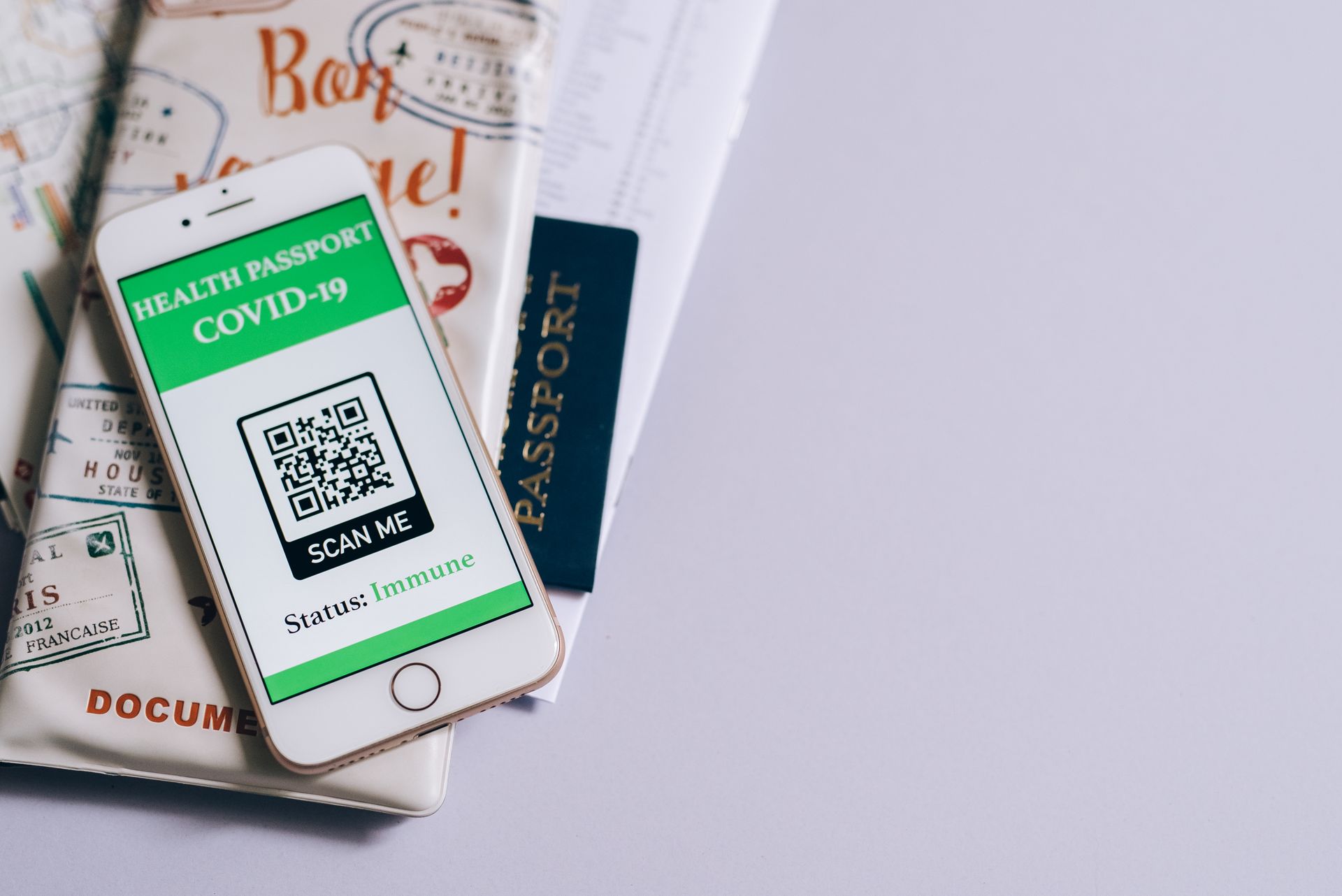
As AI-generated fake images and videos spread rapidly online, social media platforms are starting to build tools that help users detect when their own face has been used without permission. TikTok's latest step in that direction is an opt-in tool it has begun testing that lets users scan for unauthorised "AI likenesses" of themselves.
Spotted by social media consultant Matt Navarra, the feature is currently in a limited test with "some" creators in the US. TikTok US spokesperson Zachary Kizer confirmed the tool is designed to scan content circulating on the platform to detect AI-generated images that use a user's face without their consent.
A key detail of how the tool works is that users must first verify their identity. Creators who want to take part in the test have to go through a real-time selfie scan and ID check via a company called Jumio, a security layer designed to confirm the tool genuinely belongs to that person.
Kizer said TikTok does not retain ID documents or facial data; the information is deleted once the verification process is complete. Privacy assurances like this are critical to convincing users to share sensitive biometric data, since the risk of facial recognition data itself being misused falls into the same category of problem the tool is meant to solve.
TikTok is not alone in this effort. YouTube has been working on a similar tool and recently made it available to all adult users. The fact that two major platforms have developed comparable tools within a similar timeframe suggests AI-generated fake content has become a shared, urgent problem for large platforms.
The driving force behind these tools is that deepfake technology has become both more accessible and more convincing over the past few years. Fake videos that once required technical expertise to produce can now be generated in minutes using consumer-level apps, a growing risk for celebrities, politicians, and ordinary users alike.
Experts note the limitations of these detection tools, however. An "AI likeness" scanning system can only search content hosted on that platform's own servers; if a user's face is being misused on another platform or in closed messaging apps, these tools have no ability to detect it.
Even so, demand for features like this is high among creators. People with large followings in particular worry about their faces being used without permission to fabricate endorsements, scam advertisements, or content designed to damage their reputation.
The spread of tools like this shows platforms are now investing not just in reactive complaint systems for AI-generated content problems, but in proactive systems users can run themselves. It comes at a time when regulatory and public pressure on platforms over this issue is intensifying.
TikTok's tool remains in a limited test phase and it's unclear when it might roll out more broadly, but YouTube's decision to open its own version to all adult users suggests TikTok could eventually follow a similar path.
Read next
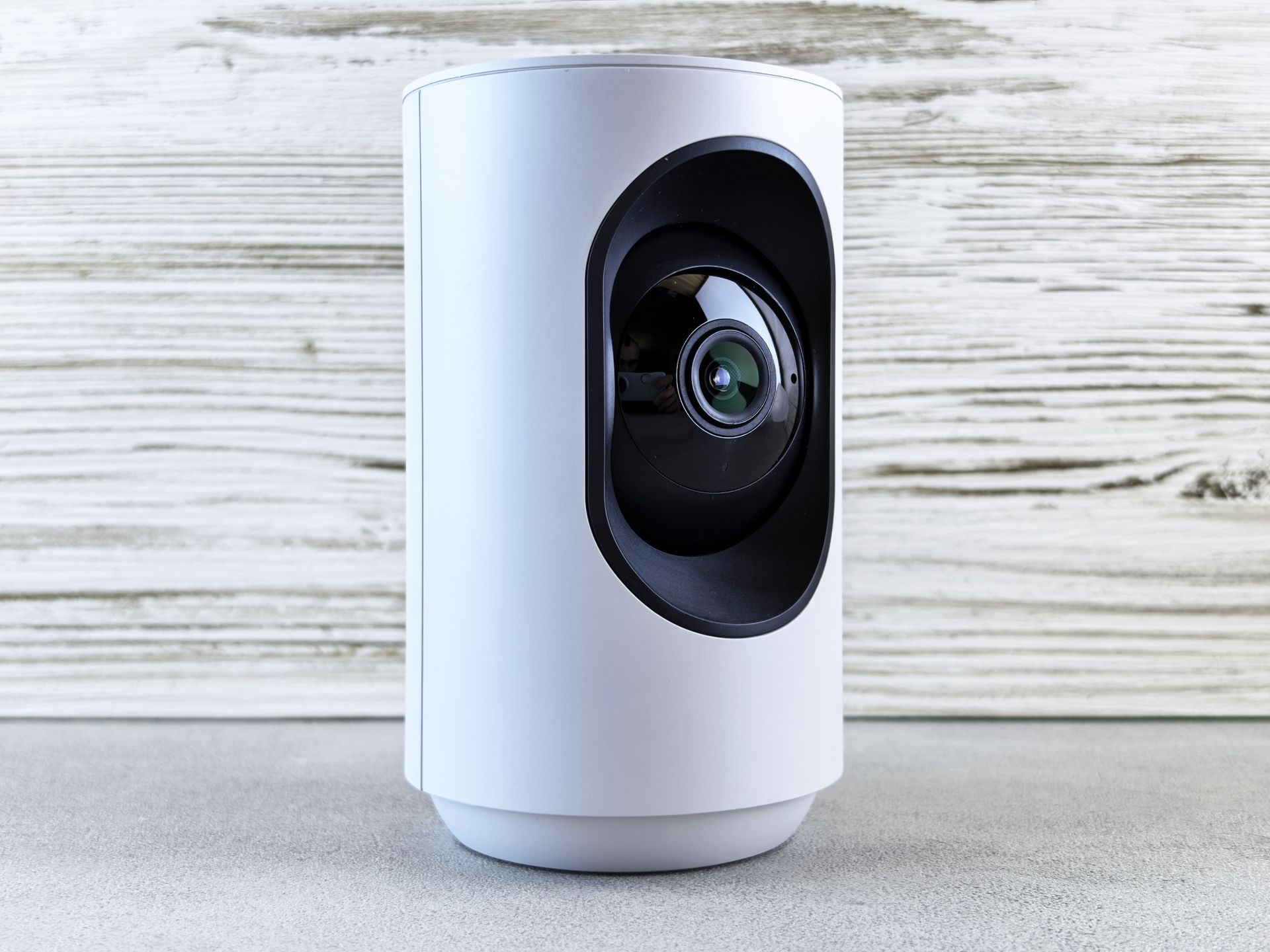
How a smart camera flaw can leak your home's location: the TP-Link Kasa case
A flaw in TP-Link's Kasa smart cameras, unnoticed for six years, leaked a home's GPS location with no authentication required. Here's how these IoT vulnerabilities happen, and how to protect your smart home devices.

How satellites are learning to catch wildfires before they spread
The Google-backed FireSat satellite program aims to catch small, newly ignited wildfires far earlier than traditional weather satellites can. Here's how the system works and why early detection matters so much.

Databricks hits $188B valuation, extending its run as AI's favorite second act
Data analytics company Databricks has reached a $188 billion valuation in its latest private funding round, becoming one of the world's most valuable private tech companies. The company is cementing its position in enterprise AI infrastructure with published research on open-weight models.

What are 'nudify' apps, and why are Apple and Google being ordered to remove them?
San Francisco's City Attorney has sent letters to Apple and Google saying AI-powered 'nudify' apps that fabricate nude images violate state law and must be removed from their stores. Here's how these apps work and why regulators are acting now.

SpaceX aborts second Starship V3 launch attempt after engine ignition
SpaceX halted its second attempt to launch the newest Starship V3 vehicle just after its engines ignited, without immediately explaining what went wrong. Shares of the company fell in after-hours private trading before paring some of the losses.