How a smart camera flaw can leak your home's location: the TP-Link Kasa case
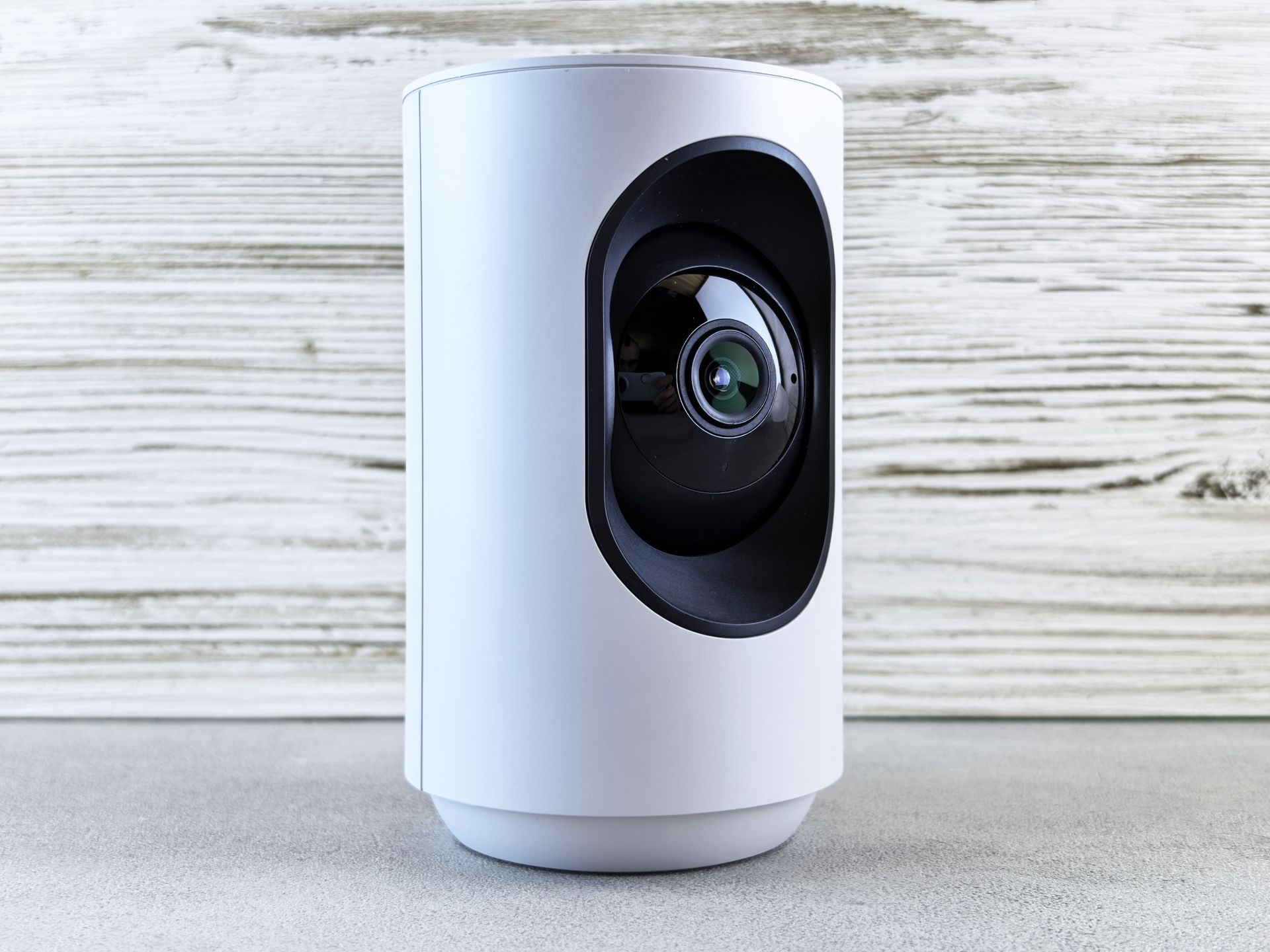
A security researcher has found a vulnerability in TP-Link's Kasa-branded smart home cameras that went unnoticed for six years: the devices were leaking a home's GPS location over an unauthenticated UDP service on the local network, with no login or credentials required. The finding is a fresh reminder that smart home devices can carry weaknesses that go undiscovered far longer than most people would assume.
The technical core of the issue is this: many smart home devices use simple UDP-based communication protocols over the local network to simplify setup and pairing. These protocols are often designed around a "trusted local network" assumption, meaning the device treats any request coming from the same Wi-Fi network as safe and does not require authentication.
In practice, that assumption creates a serious weakness. If an attacker gains access to the target network by any means, cracking a weak Wi-Fi password, breaching a neighbouring network, or compromising another insecure device already on the network, they can query this unauthenticated UDP service directly and retrieve the device's location data.
The significance of a GPS location leak falls into a different risk category than most data leaks: while a leaked email address or username is annoying, a leaked precise physical home address, especially combined with camera footage, can translate directly into a physical security threat. Information like this can be misused for burglary, stalking, or harassment.
The fact that this flaw went unnoticed for six years raises real questions about the general state of security auditing across the IoT (internet of things) device industry. Smart home devices are often released on fast development cycles, and their internal protocols typically receive far less independent security scrutiny than products from major software companies.
Security researchers typically report findings like this to manufacturers through a "responsible disclosure" process, giving the company a chance to fix the issue before it's made public. But the fact this bug went undetected for six years shows how long a vulnerability can sit exposed in the wild before that process even begins.
The practical takeaway for consumers is that running smart home devices, cameras in particular, on a separate network segment, a feature some routers offer as a "guest network" or "IoT network", can significantly limit the blast radius of flaws like this, since an attacker would need to breach that segment specifically rather than simply reaching the main home network.
Other basic precautions include keeping device firmware updated regularly, disabling unused remote access or UPnP features, and, where possible, managing a device only through the manufacturer's official app rather than leaving it open to direct local network queries.
Whether TP-Link has issued a patch for this specific flaw, and exactly which camera models are affected, is something security research teams continue to track. Users are advised to keep their device firmware up to date and follow the manufacturer's security advisories.
This case is just one of many reminders that, as the smart home market grows rapidly, security auditing sometimes falls victim to ease of use, and that consumers should treat every new "smart" device they connect to their home as a new potential point of vulnerability as well.
Read next

How satellites are learning to catch wildfires before they spread
The Google-backed FireSat satellite program aims to catch small, newly ignited wildfires far earlier than traditional weather satellites can. Here's how the system works and why early detection matters so much.
How AI likeness detection works, and why platforms are racing to build it
TikTok is testing an opt-in tool that lets creators scan for unauthorized AI-generated images of their own face, verified through an identity check with Jumio. YouTube has already rolled out a similar tool to all adult users.

Databricks hits $188B valuation, extending its run as AI's favorite second act
Data analytics company Databricks has reached a $188 billion valuation in its latest private funding round, becoming one of the world's most valuable private tech companies. The company is cementing its position in enterprise AI infrastructure with published research on open-weight models.

What are 'nudify' apps, and why are Apple and Google being ordered to remove them?
San Francisco's City Attorney has sent letters to Apple and Google saying AI-powered 'nudify' apps that fabricate nude images violate state law and must be removed from their stores. Here's how these apps work and why regulators are acting now.

SpaceX aborts second Starship V3 launch attempt after engine ignition
SpaceX halted its second attempt to launch the newest Starship V3 vehicle just after its engines ignited, without immediately explaining what went wrong. Shares of the company fell in after-hours private trading before paring some of the losses.