What is OpenAI's first hardware device, and how much will it cost
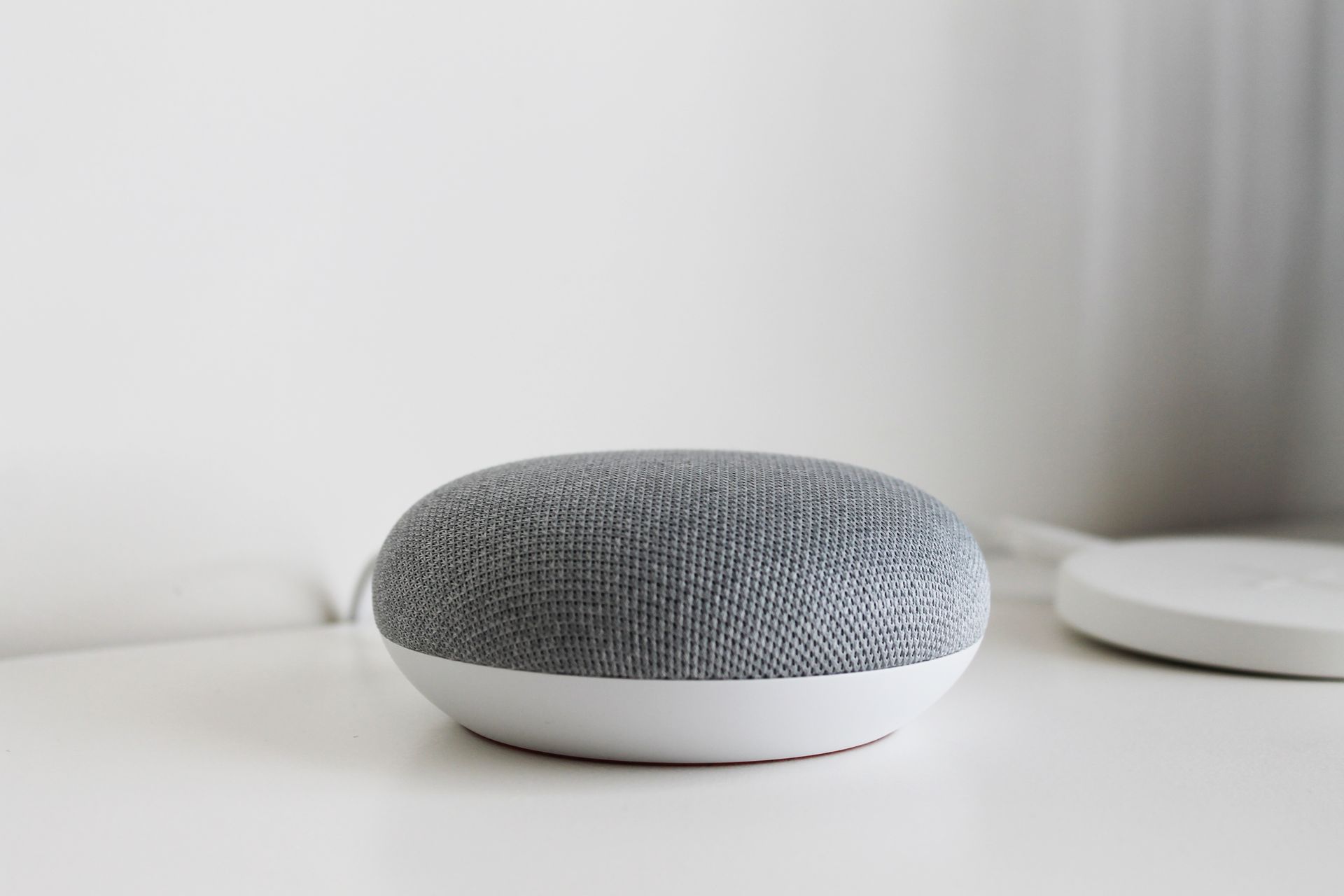
One of Apple's most recognized designers, Jony Ive, is now designing a physical product for an AI company. According to the Verge, the first device to emerge from Ive's collaboration with OpenAI is described as a display-free, battery-powered smart speaker roughly the size of a hockey puck.
Reports describe the device as donut-shaped, with some moving parts built in — components apparently designed to shift when the device interacts with or responds to a user. That appears intended to give the device a more lively, characterful presence than an ordinary speaker functioning as a voice assistant.
The device is also said to include lights, a camera system, and various sensors. Those features suggest it's being designed not just to respond to voice commands, but to sense its surroundings and react accordingly.
One of the product's most notable characteristics is that it has no display. While much of the smart home device market has been trending toward assistants with screens, this design choice looks like a deliberate point of differentiation — the device leans on voice interaction and physical movement rather than a visual interface.
According to the Verge, the device is expected to be battery-powered and designed to be easily carried around the home. That distinguishes it from conventional smart speakers, which typically stay tethered to a fixed outlet.
On pricing, reports suggest the device will sell for above $300 — noticeably more expensive than most standard smart speakers. That price range suggests the device may be positioned as a premium technology accessory rather than a mass-market consumer product.
The launch is expected in 2027, meaning the device is still at a relatively early stage of development. That design details have already leaked publicly is itself a sign of how much public and tech-press interest the device has already generated.
The collaboration has drawn significant attention across the tech industry, since Ive played a central role during his years at Apple in designing iconic products such as the iPhone, iPad, and MacBook. His work with an AI company is seen as a signal that the industry is searching for a new vision of how hardware should integrate with AI assistants.
The project fits a broader trend of AI companies developing not just software but purpose-built hardware that can integrate physically into users' daily lives. It can be seen as an effort to create a new device category built specifically around voice assistants, beyond smartphones and laptops.
Since the device hasn't been officially announced, its final design and features could still change. But the leaked details suggest that as OpenAI moves into hardware, it's pursuing a more ambitious product vision than an ordinary smart speaker.
Read next
AI music watermarks: how Suno plans to label songs made by algorithms
According to Ars Technica, AI music platform Suno plans to add watermarks to the songs it generates and impose download limits. The company says the move is intended to curb 'large-scale abuse' of its platform.
ChatGPT drops chat limits for free users: what actually changes
According to TechCrunch, OpenAI announced that free ChatGPT users will no longer hit a daily message limit for text-based chats. The company is also adding a new 'think' button for handling complex questions.
What is an atomic clock, and how does it keep the world's time so precise
From GPS to internet networks, much of the modern world depends on atomic clocks accurate to within a billionth of a second. Instead of a pendulum or gears, these clocks measure time using the vibrations of atoms themselves.

Why AI companies are racing to design their own chips
According to Ars Technica, an AI company is building an in-house team to design custom hardware for running its own models. The move is part of a broader race among major AI firms to reduce their reliance on Nvidia.

Why large language models won't break symmetric encryption
As AI models solve increasingly complex tasks, some worry they could eventually break modern encryption. Cryptographers explain why symmetric encryption's security rests on a mathematical foundation that pattern-recognition systems like large language models cannot meaningfully shortcut.