ChatGPT drops chat limits for free users: what actually changes
For anyone using the free version of ChatGPT, one of the more frustrating experiences was hitting a message limit right in the middle of a conversation. According to TechCrunch, OpenAI is now removing that restriction: free users will no longer face a daily cap on text-based chats.
The change is seen as part of OpenAI's broader strategy to reshape the distinction between its free and paid tiers. In previous periods, the company would push free users toward wait times or lower-capacity models once they hit a certain number of messages.
Alongside the update, OpenAI is also introducing a new 'think' button designed for complex questions. The feature lets users choose between a quick answer for a simple question, or a longer response where the model 'thinks' through a more complicated problem before replying.
This kind of 'thinking' mode has become a common approach among large language model providers recently. The idea is that while some questions demand an instant answer, math problems or questions requiring multi-step reasoning benefit from the model doing more computation before responding.
The expanded access for free users can also be read as a reflection of competition in the AI chat assistant market. As rival companies expand their own free tiers, OpenAI's move is seen as an effort to retain and grow its user base.
Of course, this doesn't mean the free tier now offers exactly the same experience as a paid subscription. According to TechCrunch, the change is specifically limited to text-based chats; features like image generation, file uploads, or access to more advanced models likely remain reserved for paid tiers.
Changes like this also raise the question of how companies sustain a free-usage model. Every chat request carries a real computational cost on the server side, meaning offering free users unlimited text access represents a significant infrastructure investment for the company.
Experts note that generous free tiers like this are typically part of a strategy to keep users engaged with the platform and encourage them to eventually move to paid features — the ultimate goal being to draw more people into the ecosystem and convert a portion of them into premium subscribers.
For users, the practical outcome is simple: they can now hold as much text-based conversation as they need without hitting a daily message counter. That's a meaningful convenience, particularly for users who have integrated AI chat assistants into their daily workflows.
Ultimately, the change can be seen as a step in AI chat assistants moving from a rationed resource toward a tool available essentially without limit for daily use — at least for text-based interactions.
Read next
AI music watermarks: how Suno plans to label songs made by algorithms
According to Ars Technica, AI music platform Suno plans to add watermarks to the songs it generates and impose download limits. The company says the move is intended to curb 'large-scale abuse' of its platform.

What is an atomic clock, and how does it keep the world's time so precise
From GPS to internet networks, much of the modern world depends on atomic clocks accurate to within a billionth of a second. Instead of a pendulum or gears, these clocks measure time using the vibrations of atoms themselves.
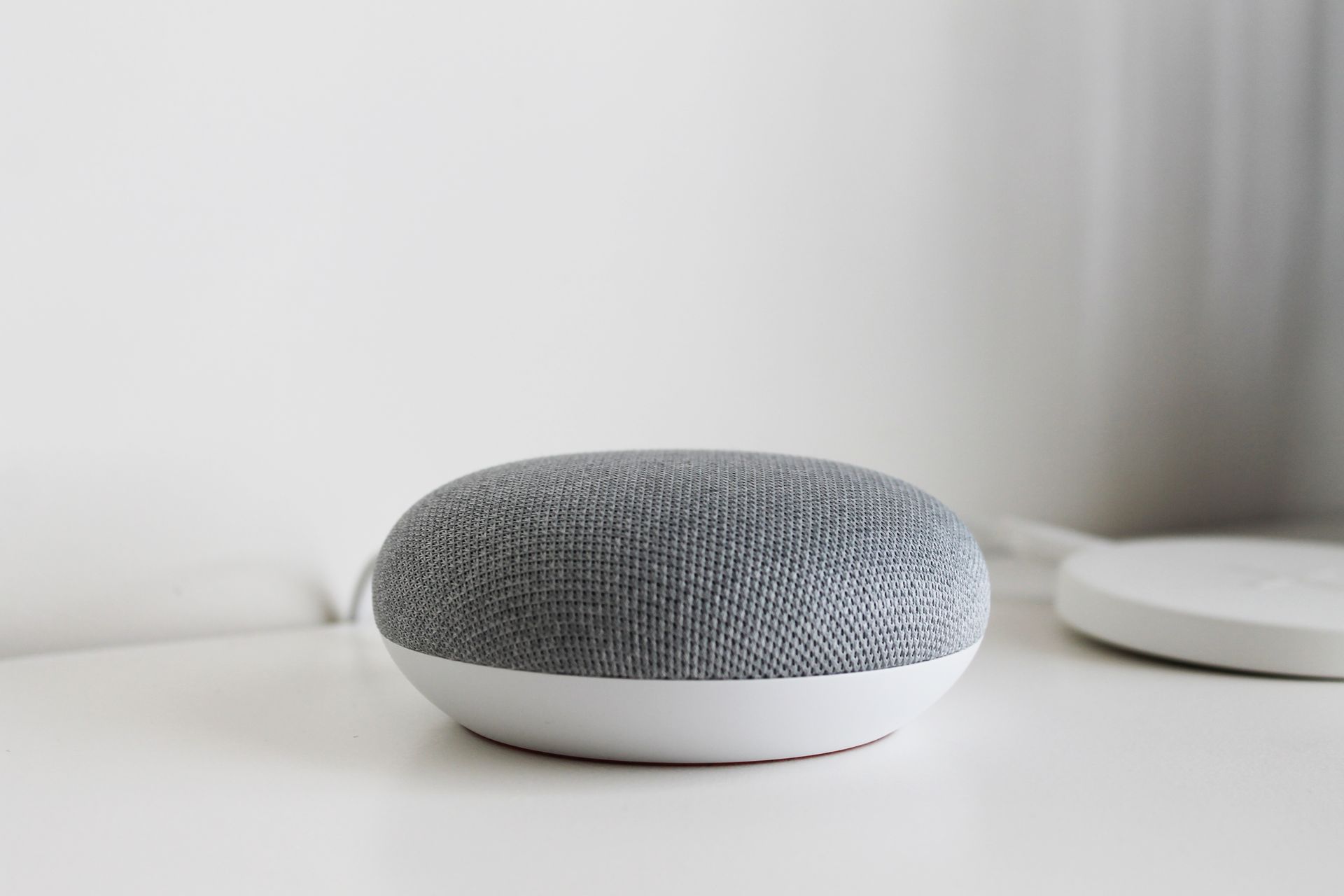
What is OpenAI's first hardware device, and how much will it cost
According to the Verge, the first device OpenAI is developing with former Apple designer Jony Ive is described as a display-free, battery-powered smart speaker roughly the size of a hockey puck. The device is expected to launch in 2027 at a price above $300.

Why AI companies are racing to design their own chips
According to Ars Technica, an AI company is building an in-house team to design custom hardware for running its own models. The move is part of a broader race among major AI firms to reduce their reliance on Nvidia.
Why large language models won't break symmetric encryption
As AI models solve increasingly complex tasks, some worry they could eventually break modern encryption. Cryptographers explain why symmetric encryption's security rests on a mathematical foundation that pattern-recognition systems like large language models cannot meaningfully shortcut.