The new Wild West of AI kids' toys - and why some lawmakers want them banned
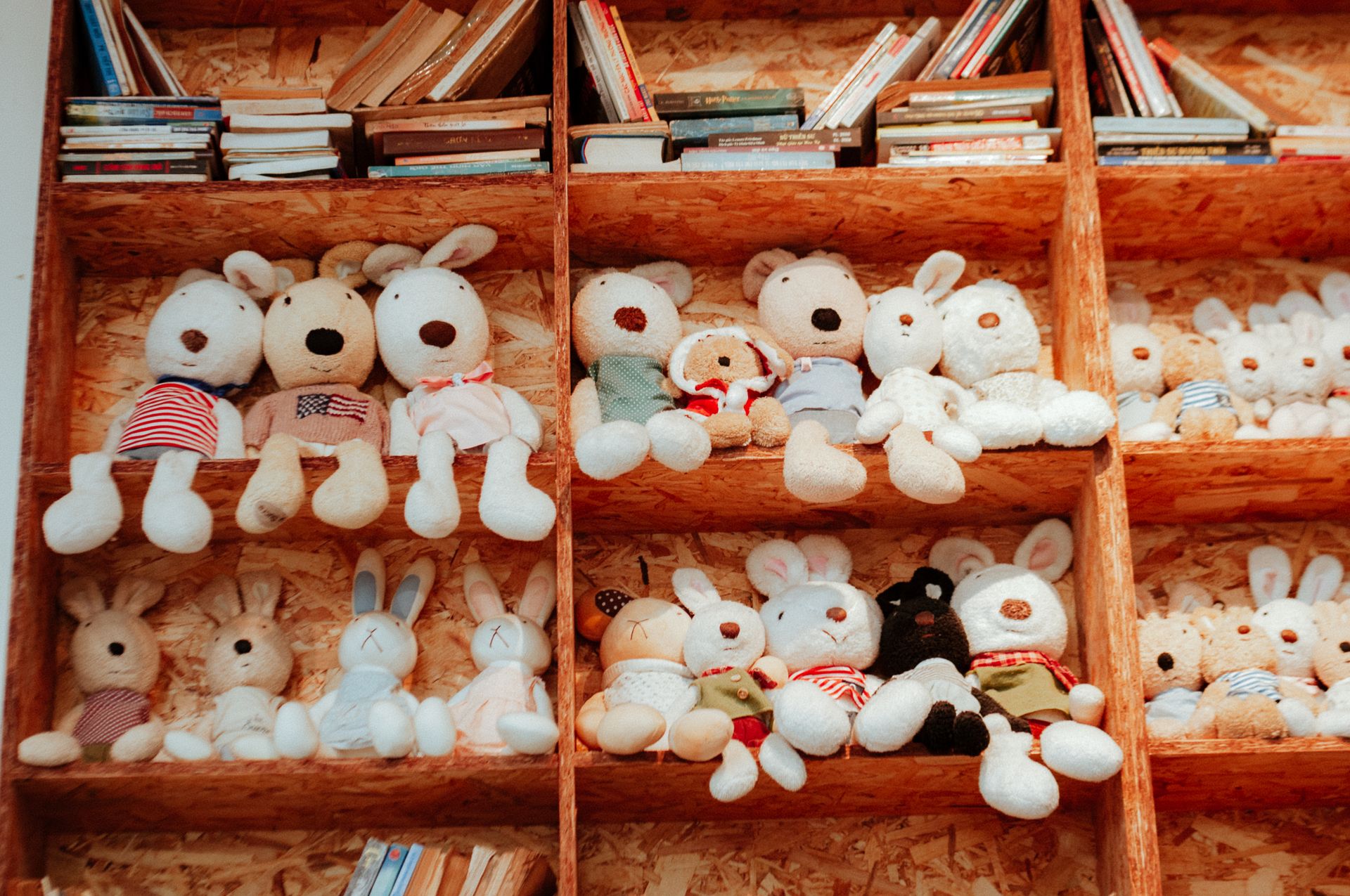
AI-powered children's toys have become one of the fastest-growing categories in consumer electronics over the past two years. Products such as Mattel's Skylar line, Hasbro's Furby Connect 2, Curio's Grok-integrated Bluey character toys and the Magicwand series from smaller players can chat with children in natural language. The global market reached $4.8 billion in 2026, up from $1.2 billion in 2024.
Reactions among parents are divided. On one side are parents who find the emotional bond between toy and child useful for language and social skills. On the other are parents worried about an AI toy filling a "digital companion" role with which their child speaks for many minutes each day. According to a 2025 Pew Research study, 47% of parents with children aged 5-12 own an AI toy; 31% of those parents say they are "concerned."
The biggest concern is privacy. AI toys record a child's voice, send it to cloud servers, and generate a response via a large language model. The Children's Online Privacy Protection Act (COPPA) limits the collection of data from children under 13. But in a 2025 report, the US Federal Trade Commission (FTC) found that 64% of AI-toy companies were partly or fully in breach of COPPA. Most of those firms used the children's voice recordings to train their models.
Massachusetts Senator Ed Markey and Connecticut Senator Richard Blumenthal in March 2026 introduced the Children's AI Safety Act. The bill proposes lifting AI toys out of COPPA's scope and placing them under a separate, stricter regime. It calls for a ban on data collection without parental consent, a ban on using children's voices in model training, and mandatory warning labels about the addictive risk of AI toys.
Mental health is a second major area of concern. The American Academy of Pediatrics (AAP), in a position paper published in April 2026, addressed the risk that AI toys form "parasocial attachments" in children. The paper cites a small study that found use of more than 30 minutes a day by children under 8 was associated with reduced peer interaction and emotion-regulation difficulties. The AAP recommended that parents place limits on AI-toy use time.
Child-development experts hold different views on the impact. Stanford University's Professor Hilary Andersson said: "An AI toy can give the child a personalised learning companion. With proper design, it can support language development and creativity." At the other end of the spectrum, Harvard's Dr Michael Rich commented: "In child development, no technology replaces human interaction. An AI toy is no substitute for a real friend or a parent."
The industry is having a debate of its own. Mattel CEO Ynon Kreiz told investors last month: "The AI-toy segment is the future of child education. At Mattel we balance safety standards with the learning benefits." Hasbro CEO Chris Cocks is more cautious: "We have entered this market, but we are deliberately moderating our growth pace because of regulatory uncertainty."
The situation in the European Union is different. The EU AI Act entered into force in February 2025. The law puts AI in children's toys in the "high-risk" category and imposes extensive documentation, impact assessment and transparency-reporting requirements on manufacturers. Several AI toys were re-engineered for compliance before entering the European market; Curio's Bluey AI toy launched in Europe a year late.
In China, the AI-toy market is the fastest growing globally (78% year on year). The China National Health Commission issued a guideline in January 2026 recommending a 20-minute daily cap on AI-toy use for preschool children. Chinese manufacturers are making structural changes to comply, including "on-device" variants that process voice recordings locally on the device.
As of May 2026, the biggest uncertainty hanging over the AI-toy market is regulatory direction. The US bill is still in a House subcommittee; European compliance work continues; China is enforcing daily-usage caps. Industry is waiting for regulatory uncertainty to clear. Meanwhile, the AI capabilities of the toys are advancing fast: the next generation of toys, due to launch in late 2026, are expected to use large language models with semantic memory, voice recognition and emotion analysis.