Can video games teach robots to move? Inside the bet on a 'ChatGPT moment' for robotics
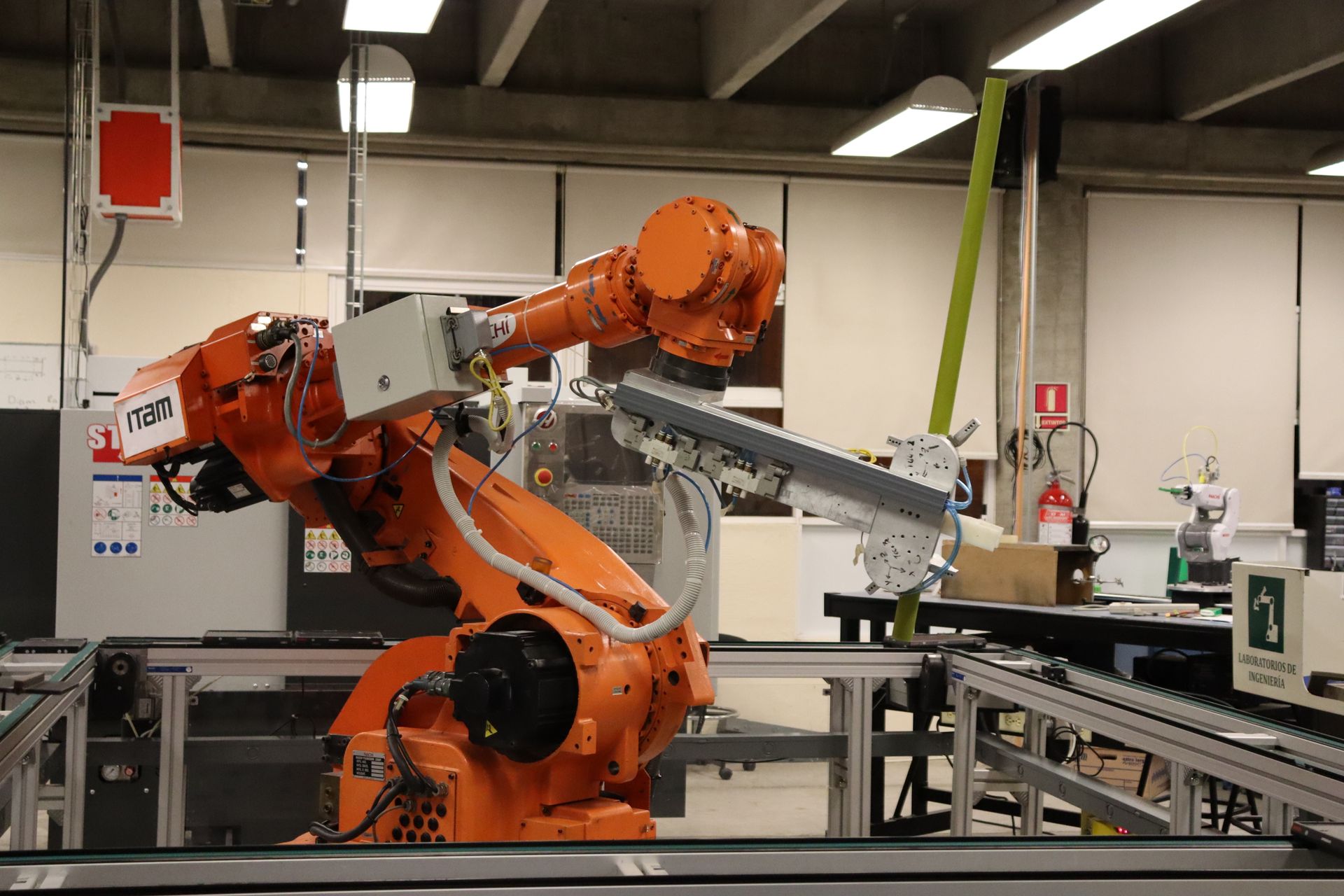
Artificial intelligence has transformed how machines handle words and images, but it has struggled with something a toddler masters effortlessly: moving through the physical world. A startup called General Intuition, profiled by TechCrunch, thinks it has found an unlikely training ground for that missing skill, and it lies in the vast archives of recorded video game play.
The company's bet is that millions of hours of gameplay footage can be used to train foundation models for physical AI. The reasoning is that video games are simulated worlds full of movement, cause and effect, and consequences, and that an AI which learns to navigate them may acquire intuitions about space, motion and interaction that transfer, at least partly, to controlling real robots.
To understand why this matters, it helps to see why robotics has fallen behind. Language models learned from an almost unimaginably large corpus of text scraped from the internet. That abundance of data is exactly what physical AI lacks, because there is no equivalent internet-scale archive of a robot picking up a cup, opening a door, or catching a falling object.
Gathering real-world robot data is slow, expensive and often dangerous. A robot must physically attempt a task thousands of times, and each attempt takes real seconds, real hardware and real risk of breakage. This data bottleneck is one of the central reasons robots remain clumsy at tasks humans find trivial, and it is the problem General Intuition is trying to route around.
Video games offer a tempting shortcut because they are, in effect, physics simulators that humans have already explored exhaustively. Every recorded session is a demonstration of an agent pursuing goals, reacting to obstacles and learning from failure, generated at enormous scale and essentially for free. If those demonstrations can teach general intuitions about acting in a world, the data drought might ease.
The phrase everyone reaches for is a ChatGPT moment, the point at which a technology suddenly leaps from clunky to genuinely useful. For language, that leap came when models trained on enough data crossed a threshold of capability. The hope in robotics is that a similar threshold exists, and that the right training approach could trigger a comparable jump.
Healthy skepticism is warranted, and TechCrunch frames this as a bet rather than a certainty. The gap between a simulated game world and messy physical reality is exactly where many robotics dreams have foundered before. Games have their own physics, often simplified or exaggerated, and skills learned in a rendered environment do not automatically survive contact with friction, gravity and unpredictable objects.
That challenge has a name in the field: the sim-to-real gap, the difficulty of transferring behaviour learned in simulation to the real world. Bridging it is a long-standing research problem, and a startup's promise to do so at scale is precisely the kind of claim that deserves to be watched closely rather than taken on faith. The idea is elegant; whether it works is an empirical question.
Still, the approach reflects a broader and increasingly influential intuition in AI. Rather than laboriously collecting real robot data, why not exploit the enormous existing troves of human-generated behaviour, whether in games, videos or simulations, and let models extract general principles from them? Several research directions now share this instinct, and General Intuition is one visible bet on it.
If it pays off, the payoff is large. Robots that learn general physical intuitions from abundant data could become dramatically easier and cheaper to build, spreading beyond factories into homes, hospitals and warehouses. If it does not, it will still have tested a genuinely interesting idea. Either way, the effort captures the current state of robotics: a field long stuck on data, now hunting for the unlikely source that might finally set it loose.
Read next

Meta's 'super sensing' smart glasses: always-on recording and the privacy questions it raises
Meta is reportedly developing prototype smart glasses that continuously record audio and capture images every few seconds, feeding an always-aware AI assistant. According to the Financial Times, one proposed design would keep raw footage from the wearer, a setup that sharpens long-running questions about consent and surveillance.

Right to repair explained: what the John Deere FTC settlement means for owners
John Deere equipment owners will gain broader rights to repair their own machines under a settlement with the US Federal Trade Commission. The case is a milestone in the long-running right-to-repair fight, which asks who is really allowed to fix the increasingly software-laden products people buy.

What is the Fiat Topolino? America's cheapest new EV, and the micro-car idea behind it
The Fiat Topolino is arriving in the US at about $13,995, making it the country's cheapest new electric vehicle, but it tops out at 19mph and travels roughly 46 miles per charge. It is less a conventional car than a micromobility vehicle, and it poses a real question about what an affordable EV should be.

AI cheating in universities: what happened when one professor brought back the in-person exam
When an Ivy League professor grew suspicious that students were leaning on AI, he replaced take-home work with a supervised, in-person final. Scores fell by about half, a result that has become a flashpoint in the wider debate over what chatbots are doing to how students learn and how universities assess them.

What is a firmware backdoor? The Tenda router flaw explained
A security advisory reports that multiple versions of Tenda router firmware contain a hidden authentication backdoor, letting attackers bypass the login. Here is what a firmware backdoor is, why home routers are a favorite target, and how to protect your network.