What is the Fiat Topolino? America's cheapest new EV, and the micro-car idea behind it

Every hunt for an affordable electric car runs into the same wall of trade-offs. How much range are you willing to give up, how much space, how many features, all in pursuit of a sticker price that does not sting? The Fiat Topolino, now heading to the United States, is what happens when a manufacturer stops treating those as compromises and makes them the whole point.
At roughly $13,995, the Topolino is set to be the cheapest new EV on sale in the country. But the numbers that make it cheap also make it unusual. It has a top speed of 19mph and an all-electric range of about 46 miles, and its wheelbase is barely longer than one and a half king mattresses. This is not a scaled-down normal car; it is something closer to a covered scooter with four wheels.
Fiat is not hiding any of this. The company frames the Topolino as a micromobility vehicle rather than a traditional automobile, and that framing is the key to understanding it. Judged as a car, its specifications look absurd. Judged as an alternative to a bicycle, a moped or a short taxi ride in a dense city, they start to make sense.
The idea has deep European roots. Small, slow, low-cost urban vehicles have long occupied a legal and cultural niche across parts of Europe, where narrow streets, short trips and scarce parking make a full-sized car more burden than benefit. The original Topolino name itself harks back to a tiny, beloved Fiat from an earlier era of economical motoring.
What makes its American arrival notable is less the vehicle than the question it forces. The US car market has drifted toward ever larger and more expensive vehicles, and affordable EVs have been conspicuously scarce. A machine like the Topolino challenges the assumption that a new electric vehicle must be a fully capable car able to do everything from the school run to the interstate.
For certain uses, the trade-offs are not really sacrifices at all. If most of your driving is short hops across a city, a vehicle that goes 19mph and parks almost anywhere may serve better than a large car that spends its life crawling and searching for a space. Range anxiety evaporates when your longest trip is a few miles.
The limitations, though, are real and worth stating plainly. A 19mph top speed rules out highways and many arterial roads, restricting the Topolino to low-speed environments. Its tiny size raises legitimate questions about how it mixes with full-sized traffic, and regulations for such low-speed vehicles vary widely, shaping where they can legally go.
That regulatory patchwork may matter as much as the engineering. Whether the Topolino succeeds in America will depend heavily on local rules about low-speed and neighbourhood electric vehicles, on where buyers are allowed to drive them, and on whether cities build the kind of calmer, slower streets where such vehicles thrive. Technology alone does not decide adoption.
Seen in that light, the Topolino is less a product review than a thought experiment made metal. It asks whether affordability in EVs should come from cheaper big cars or from rethinking what a car needs to be in a city. Those are very different roads, and the Topolino bets firmly on the second.
It may end up a curiosity, a niche vehicle for a narrow set of buyers, or it may be an early sign of a broader shift toward small, cheap, purpose-built urban electrics. Either way, its arrival is a useful provocation. In a market obsessed with more, the cheapest new EV in America is an argument for less, and a reminder that affordability sometimes means redefining the product, not just discounting it.
Read next

Meta's 'super sensing' smart glasses: always-on recording and the privacy questions it raises
Meta is reportedly developing prototype smart glasses that continuously record audio and capture images every few seconds, feeding an always-aware AI assistant. According to the Financial Times, one proposed design would keep raw footage from the wearer, a setup that sharpens long-running questions about consent and surveillance.
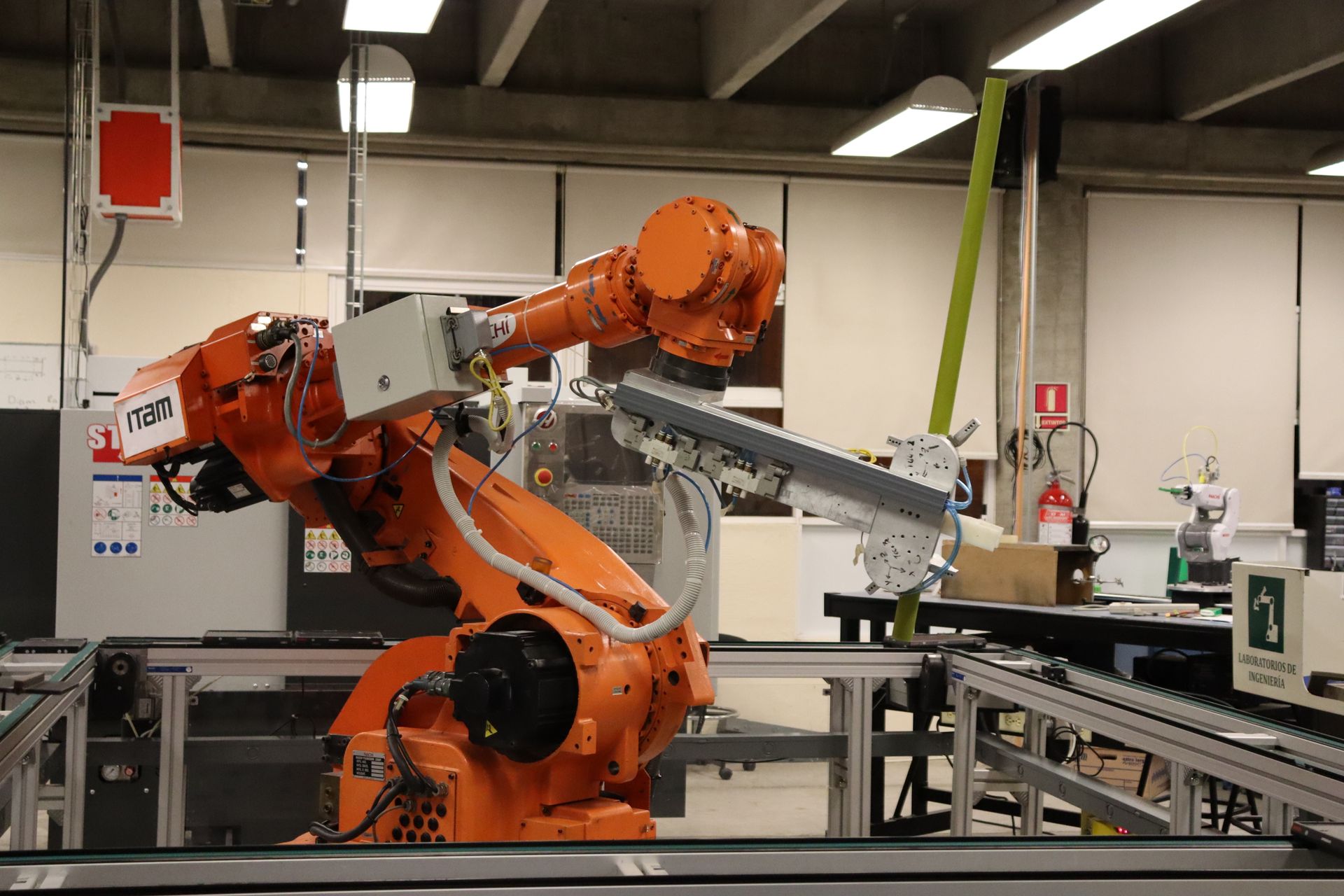
Can video games teach robots to move? Inside the bet on a 'ChatGPT moment' for robotics
The startup General Intuition is betting that millions of hours of video game footage can train foundation models for physical AI, making smarter robots easier to build with far less real-world data. The idea points to why robotics has lagged behind language AI, and what a breakthrough might require.

Right to repair explained: what the John Deere FTC settlement means for owners
John Deere equipment owners will gain broader rights to repair their own machines under a settlement with the US Federal Trade Commission. The case is a milestone in the long-running right-to-repair fight, which asks who is really allowed to fix the increasingly software-laden products people buy.

AI cheating in universities: what happened when one professor brought back the in-person exam
When an Ivy League professor grew suspicious that students were leaning on AI, he replaced take-home work with a supervised, in-person final. Scores fell by about half, a result that has become a flashpoint in the wider debate over what chatbots are doing to how students learn and how universities assess them.

What is a firmware backdoor? The Tenda router flaw explained
A security advisory reports that multiple versions of Tenda router firmware contain a hidden authentication backdoor, letting attackers bypass the login. Here is what a firmware backdoor is, why home routers are a favorite target, and how to protect your network.