Modern cars collect more personal data than ever, researchers warn of weak oversight
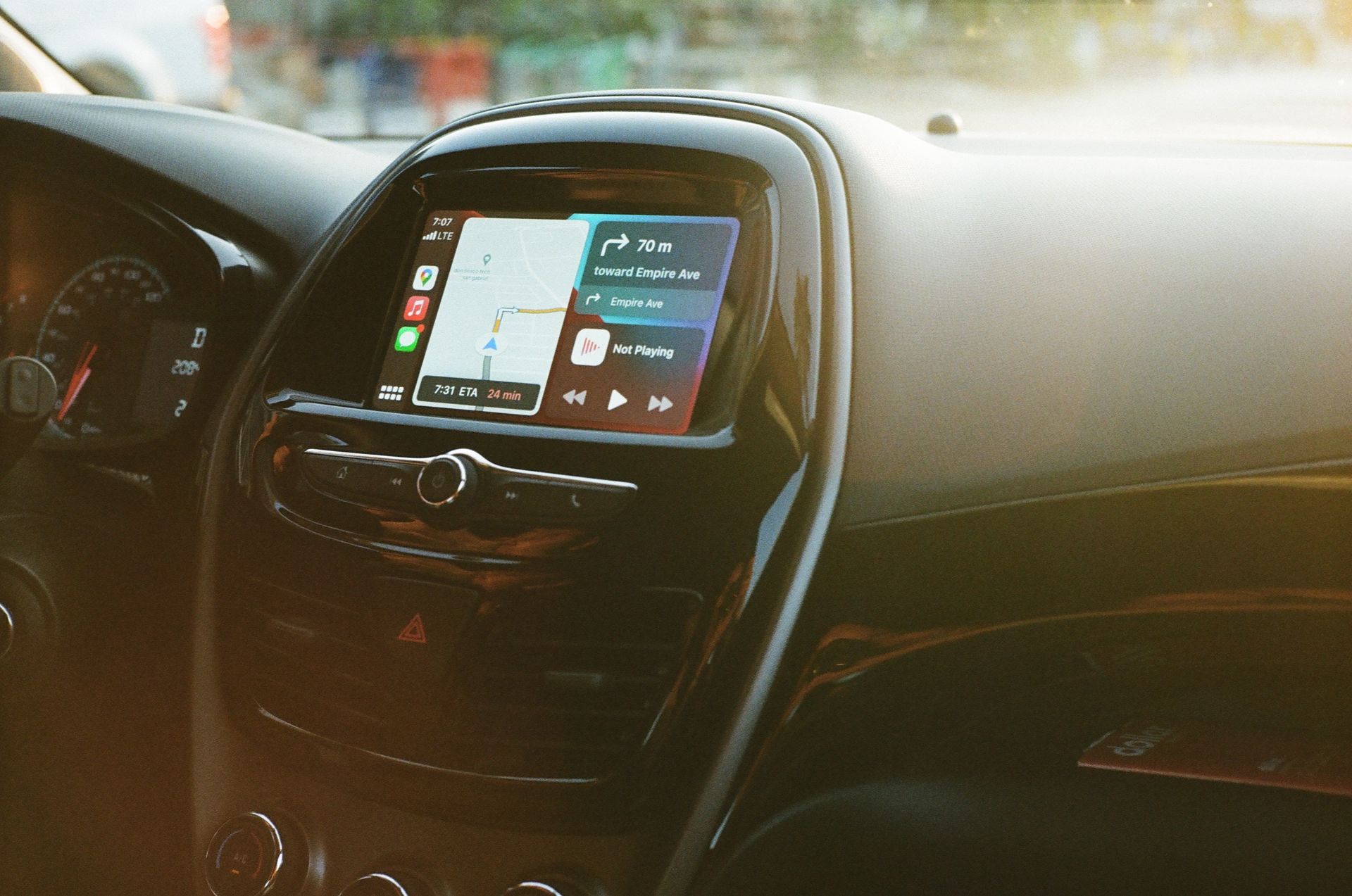
According to the BBC Future investigation discussed on the Hacker News discussion platform, the personal data collected by modern cars from their users has increased dramatically. The investigation reports that 2026 model cars send roughly 400 different data points to manufacturers; that figure represents a 20-fold increase compared with 2015 models, which sent only 20 data points. The data collected include gas pump app use, seat position, music preference, journey routes and voice command recordings.
The Mozilla Foundation 'Privacy Not Included' report was extensively examined by BBC Future. Mozilla privacy analyst Jen Caltrider told the BBC, 'The privacy standards of the automotive industry are far below those of other technology sectors. Modern cars may also be collecting sensitive data categories such as a user's sexual orientation, religious beliefs and health status.' Caltrider said that in an analysis covering 25 large automotive brands, Mozilla found that all of them failed the privacy test.
U.S. Federal Trade Commission (FTC) Commissioner Lina Khan said to BBC Future, 'The data collection practices of the automotive industry and the sale of these data to third parties are matters that need to be considered under the FTC's consumer law framework. We will submit a proposal for a specific data protection rule for the automotive industry within this year.' Khan said the FTC's proposal would establish a federal standard particularly similar to the U.S. state-level California Consumer Privacy Act (CCPA).
General Motors spokesperson Liz Winter told BBC Future, 'Our company's data collection practices comply with all federal and state laws. User data are used to improve the customer experience, and no third party receives data sharing without permission.' Winter added that GM paid 2.5 million dollars in fines in 2024 due to its data sharing policy.
Tesla's privacy policy drew particular attention from BBC Future. Tesla's in-car cameras were reported to record videos that are used to analyse driver responses. A Tesla spokesperson told the BBC, 'Our in-car cameras are used for the development of our Autopilot and Robotaxi systems. The cameras are activated only with the user's consent.'
Ford Motor Company privacy director Sarah Chen told BBC Future, 'Ford allows users to disable all data collection preferences, but in that case some vehicle features will be disabled. For example, Apple CarPlay, driver assistance systems and voice command recognition will not work.' Chen added that Ford improved the data preferences of 18 million vehicle users in 2025.
University privacy researchers also commented on the topic. Stanford Law School professor Margaret Hu told BBC Future, 'Modern cars collect more comprehensive data than home alarm systems did ten years ago. This makes it mandatory for the U.S. to create a federal-level automotive data protection rule.' Hu said she is actively advocating for the federal adoption of the CCPA model.
The European Union's General Data Protection Regulation (GDPR) regulates the automotive industry more strictly than the United States. The EU's new Data Protection Regulation (DPR) 2.0 will come into force in 2027 and set new standards for automotive data collection. A European Data Protection Committee spokesperson told BBC Future, 'Automotive data collection regulation will be at the centre of the EU's three-year privacy agenda ahead.'
In the U.S. Congress, Senator Edward Markey (D-MA) introduced a bill called the 'Driving Data Act' for the automotive industry in 2026. The bill would require automotive manufacturers to disclose their data collection practices and provide for users' right to request data deletion. Markey's bill will be discussed by the Senate Commerce Committee in September 2026.
This article is a technology and privacy news report and should not be read as consumer, legal or investment advice on General Motors, Tesla, Ford or other automotive manufacturers. For all your legal and consumer decisions, please consult a licensed expert.