Solid-state batteries still aren't ready, but semi-solid gel batteries are arriving
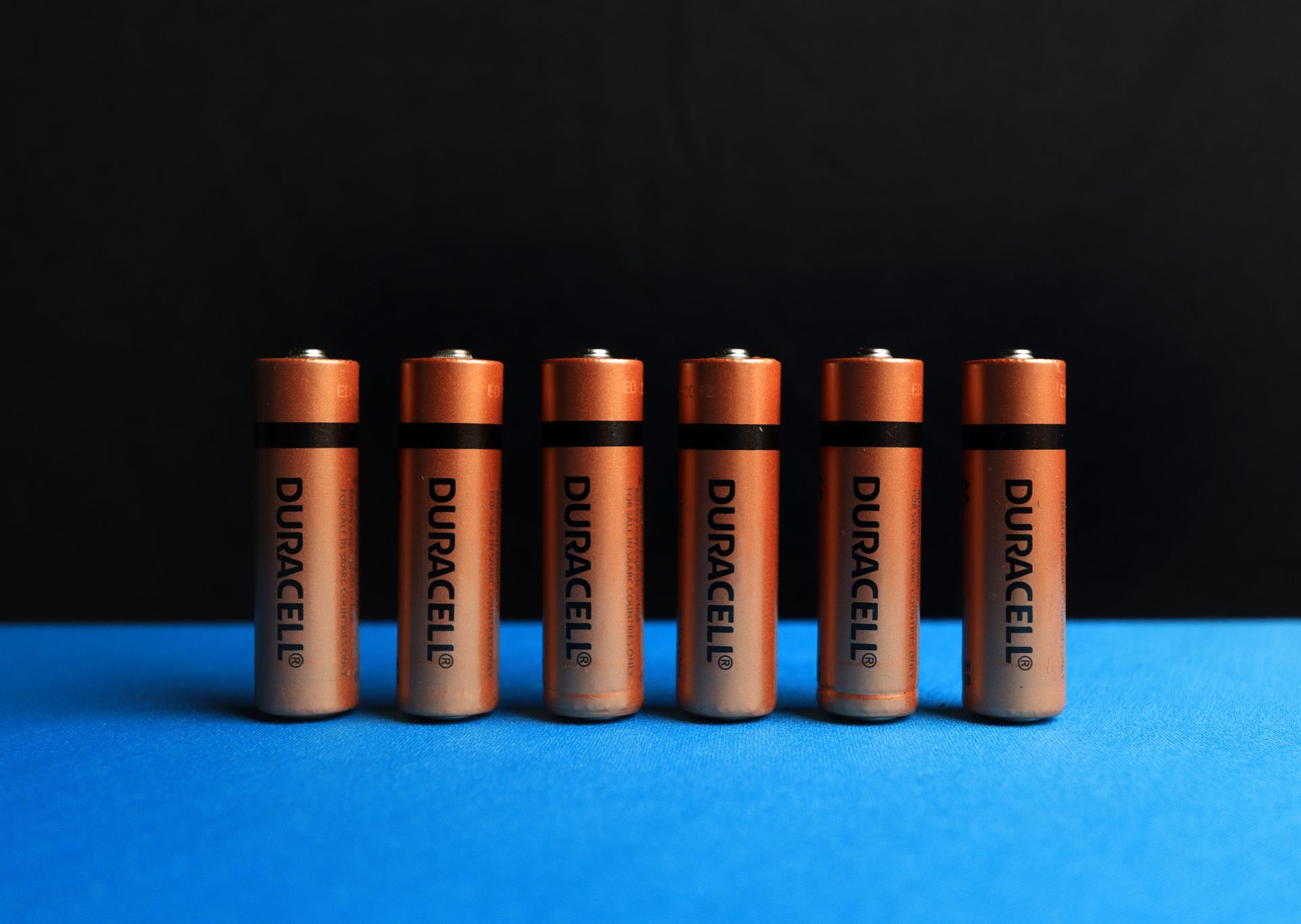
Solid-state batteries have been one of the most-anticipated technologies in cars and consumer electronics for a decade. But according to a recent analysis by The Verge, true mass production still lies on the horizon. In the gap that opened, semi-solid or gel-electrolyte batteries are emerging as a practical bridge that can be applied today.
What is a solid-state battery? In a conventional lithium-ion cell, the electrolyte that carries ions between the anode and the cathode is a liquid. That liquid delivers high performance, particularly fast ion transport, but it brings flammability, leakage and the risk of dendrites. A solid-state battery replaces the liquid electrolyte entirely with a solid such as glass or ceramic. The promised gains: higher energy density, a wider working temperature range, lower fire risk and faster charging.
The problem is that taking those promises from lab to factory has proved extraordinarily difficult. Making solid electrolytes compatible with metals, preventing dendrites (needle-like metal structures that cause short circuits) and bringing costs at scale down to acceptable levels are problems engineers have worked on for years. Toyota, Samsung and QuantumScape have all pushed their commercial roadmaps further out. Most analysts do not expect a fully solid-state battery in mass production before 2030.
This is where semi-solid batteries become practically valuable. In this generation, the electrolyte is not entirely solid; it is gel-like and immobilised. Lithium salts are dissolved within a polymer or ceramic matrix. Much of the ionic conductivity of a liquid electrolyte is preserved while a meaningful share of the safety benefits of a solid-state cell is captured.
The key detail emphasised by The Verge is that this gel generation is already being used in cars. In China, manufacturers such as NIO, IM Motors and Voyah have launched semi-solid battery models promising 360 to 450 watt-hours per kilogram. With the best current liquid-electrolyte batteries at around 260 to 300 Wh/kg, that is a serious gap — around 30 to 50% more range from the same weight.
On safety, gel electrolytes substantially reduce fire risk. In scenarios where thermal control is lost (puncture, crash, overheating), gel electrolytes react much more slowly than liquids. That is a further advantage in the context of updated US and European battery safety standards.
The drawbacks are real. Semi-solid batteries cost more to produce than liquid-electrolyte cells; scale economies have yet to catch up. Long-term cycle-life data is limited, and the field performance of the first models will become clearer only in coming years. And fast-charging performance lags conventional batteries in some tests.
The takeaway from The Verge is practical: while we wait for solid-state, battery technology is not standing still. Semi-solid offers a tangible step in range and safety with much of the existing manufacturing intact. Across the 5-to-10-year window before a true solid-state battery arrives, this generation is likely to drive the practical performance of EVs.
The consumer implication is that when looking at a new EV in the coming years, models labelled "semi-solid" or "gel electrolyte" are likely to spread. Alongside the headline range numbers, battery warranty terms (years and cycle counts) will matter especially for this generation.
Solid-state's future is not in doubt, but "when" remains an open question. In the meantime, gels are quietly carrying the EV transition forward.
Read next

Chopped, stored, secured: what a hash function is, and why modern security depends on it
Hash functions sit beneath nearly everything that keeps digital systems safe — passwords, cryptocurrencies, digital signatures, data integrity. This is an explainer of what they do, how they are built and why a single weakness in the underlying maths can break the whole stack.

OpenAI faces a state attorneys general investigation: what is being asked, and why it matters
Multiple US state attorneys general have opened investigations into OpenAI's corporate structure and data practices, TechCrunch reports. Questions over the firm's shift from non-profit roots to a commercial vehicle could set precedents for the broader AI sector.

UK may ban social media for under-16s: the technical and political limits of the proposal
The UK government is considering a proposal to ban social media for under-16s, following Australia's similar law and going further than the EU's current framework. The plan is generating debate over how realistic age verification is, and how it would affect family decisions about children's online life.

Did a medieval flying monk really see Halley's comet — twice? What the science says
The claim that 11th-century "flying monk" Eilmer of Malmesbury spotted Halley's comet twice is an enduring puzzle of astronomy history. Ars Technica explains why a fresh historical review still cannot quite confirm the story.
What is Pyodide? Python packages can now publish WebAssembly wheels to PyPI
Pyodide's 314.0 release lets Python packages publish WebAssembly wheels directly to PyPI. The change expands the reach of the Python-in-the-browser ecosystem to a much wider package base.
