Did a medieval flying monk really see Halley's comet — twice? What the science says
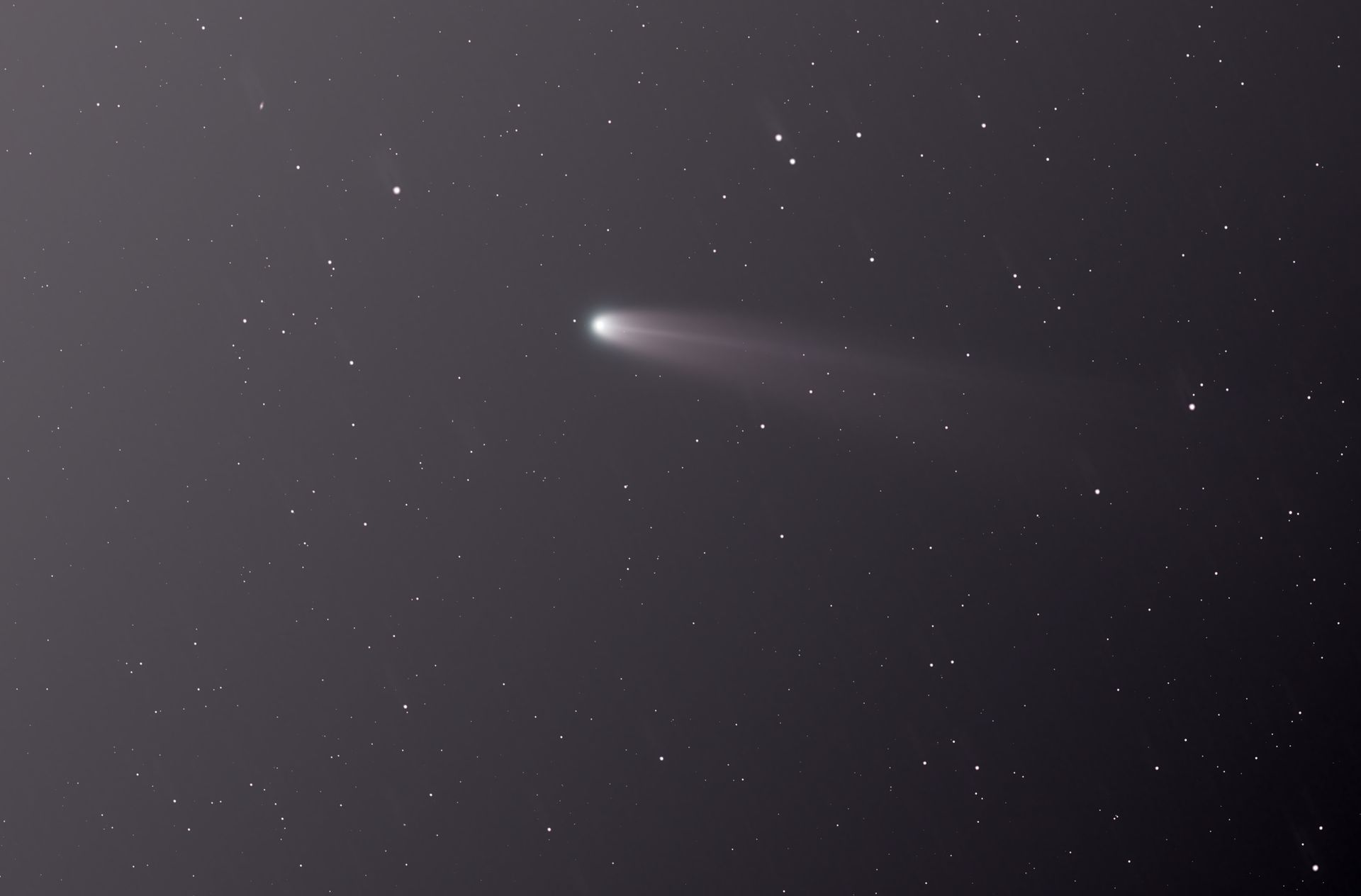
Eilmer of Malmesbury was an 11th-century Benedictine monk in England, best remembered by historians for a single audacious experiment: strapping on wings and trying to fly from the tower of Malmesbury Abbey. The story has him gliding for hundreds of metres before breaking his legs in landing and spending the rest of his life in the abbey. But a new historical review summarised by Ars Technica argues that another, easier-to-overlook detail about Eilmer deserves a closer look: the possibility that he saw the same comet, roughly 76 years apart, twice.
The comet is what we now call 1P/Halley. On a periodic orbit, Halley swings past the Sun every 76 years or so. Records suggest Eilmer, as a child, watched a bright object in the night sky in 989. By 1066, as an adult monk, he is again documented as a witness to a comet in the sky, alongside sources ranging from the Bayeux Tapestry to William of Malmesbury's chronicle. One person observing the same comet twice would be a rare event in the recorded history of astronomy.
The historical hook for the claim is William of Malmesbury's 12th-century work, "Gesta Regum Anglorum." That account says Eilmer watched the 1066 comet and remembered, as a young man, seeing a "like flame." To a modern reader the sentence lines up neatly with the 989 comet. But William wrote after Eilmer's death and drew on other monastic accounts.
The new review highlights that weakness. First, it is not certain that the object seen in 989 was really Halley; Chinese and Korean astronomical records of the period note other comets. Second, William's phrase "a like flame" reads as a literary echo, not a modern astronomical comparison. Third, whether Eilmer was indeed born by 989 and old enough to observe cannot be conclusively confirmed from the documents that survive.
Another interesting layer involves what Eilmer is said to have said. According to William, the monk on seeing the 1066 comet interpreted it as "a bad omen for England." That same year, William the Conqueror invaded and the Anglo-Saxon kingdom ended. The reading is a clean window onto why comets were read in medieval Europe as portents of disaster.
Understanding how celestial objects were perceived in the Middle Ages is part of the story's value. Long before the scientific revolution, comets were interpreted within a religious frame. Edmond Halley's 18th-century calculation of the orbit turned the object into a predictable celestial event.
A generation that saw Halley in 1986 is now waiting for its 2061 return. The 76-year cycle makes it plausible for a single modern lifetime to encounter the same body twice: someone aged 10 in 1986 would be 85 in 2061 — statistically reachable but rare.
The broader takeaway from the Eilmer story has lasting value despite the missing evidence. The idea that a single person, over a long life, could observe the same celestial object twice underlines the shared scale of the sky and human lifespan. It also invites scepticism about how reliable medieval sources are as astronomical data.
The truth may be unrecoverable, but the story works both literally and scientifically: looking up at the stars is also a way of reading our own history. Eilmer's two upward glances, even unverified, remind us of the continuity of humanity beneath one shared sky.
Read next
Chopped, stored, secured: what a hash function is, and why modern security depends on it
Hash functions sit beneath nearly everything that keeps digital systems safe — passwords, cryptocurrencies, digital signatures, data integrity. This is an explainer of what they do, how they are built and why a single weakness in the underlying maths can break the whole stack.

OpenAI faces a state attorneys general investigation: what is being asked, and why it matters
Multiple US state attorneys general have opened investigations into OpenAI's corporate structure and data practices, TechCrunch reports. Questions over the firm's shift from non-profit roots to a commercial vehicle could set precedents for the broader AI sector.
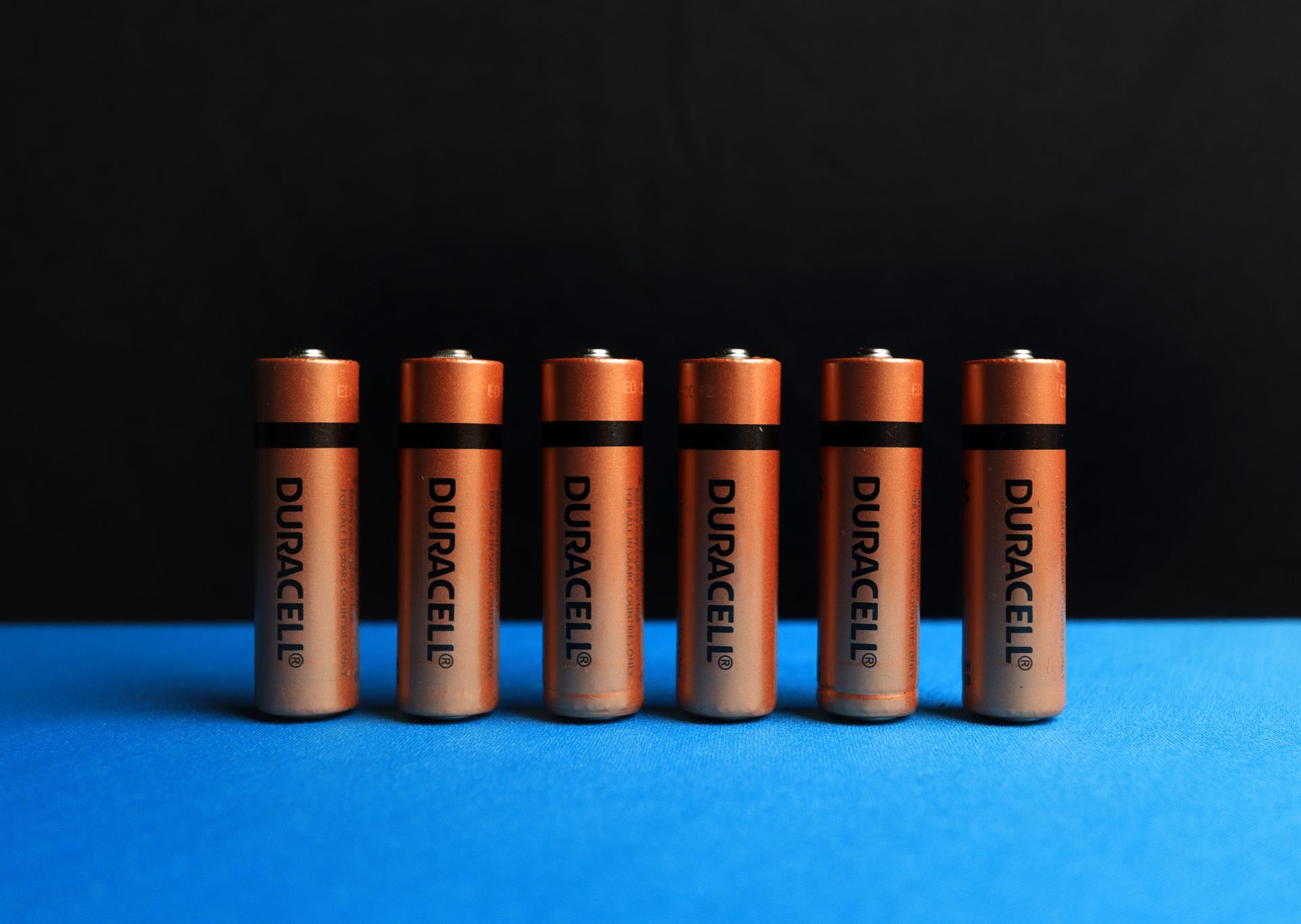
Solid-state batteries still aren't ready, but semi-solid gel batteries are arriving
Fully solid-state batteries, long promised, are still not ready for mass production. But a semi-solid, gel-electrolyte generation now reaching cars looks like a practical bridge that improves energy density and safety in the short term.

UK may ban social media for under-16s: the technical and political limits of the proposal
The UK government is considering a proposal to ban social media for under-16s, following Australia's similar law and going further than the EU's current framework. The plan is generating debate over how realistic age verification is, and how it would affect family decisions about children's online life.
What is Pyodide? Python packages can now publish WebAssembly wheels to PyPI
Pyodide's 314.0 release lets Python packages publish WebAssembly wheels directly to PyPI. The change expands the reach of the Python-in-the-browser ecosystem to a much wider package base.
