Fidji Simo steps down from OpenAI's no. 2 role after extended medical leave

Fidji Simo, OpenAI's chief executive of applications who had more recently taken on the title of AGI chief, is stepping down from her full-time role at the company, transitioning instead to what she described as a part-time advisory position. She announced the move herself on social media.
Simo's departure follows an extended medical leave that began in April, when she said she would need several weeks away from full-time duties to manage a neuroimmune condition. That leave ultimately stretched on far longer than originally anticipated, the company said.
Her exit adds to a string of high-level departures and role changes at OpenAI in recent months. Around the same period Simo first went on leave, chief operating officer Brad Lightcap also stepped back from his role to focus on what the company described as "special projects," while chief marketing officer Kate Rouch stepped down to focus on her own health.
Rouch had said at the time she intended to return in a more narrowly scoped role once her health allowed, suggesting OpenAI's leadership bench has been unusually fluid over the past several months even as the company pushes ahead with an aggressive product and expansion roadmap.
Simo had been widely viewed as one of the most senior operational leaders at OpenAI outside of chief executive Sam Altman, overseeing the applications side of the business, including consumer-facing products, as the company built out its AGI-focused initiatives under a separate leadership title she had taken on earlier this year.
The leadership vacuum arrives at a sensitive moment for OpenAI. The company is weighing a potential initial public offering, a step that would typically require investors to have confidence in a stable, well-defined executive team, and is simultaneously racing to catch up with rival Anthropic in the enterprise software market.
OpenAI has not named a permanent successor to fill Simo's operational responsibilities, and it remains unclear how her remaining duties will be redistributed among the company's existing leadership team in the near term.
The departure comes during an otherwise eventful stretch for OpenAI, which this week also rolled out its new GPT-5.6 model family following a period of regulatory scrutiny, and unveiled a new product called ChatGPT Work aimed at bringing agentic capabilities to non-technical office workers.
Analysts covering the company say leadership stability will likely become a bigger point of scrutiny the closer OpenAI moves toward any public listing, since investors typically weigh management continuity heavily when assessing a company's readiness for public markets.
For now, Simo says she plans to remain involved with OpenAI in an advisory capacity, though the company has not detailed what that role will specifically involve or how much time she is expected to dedicate to it going forward.
Read next

Why AI data centers are driving up Big Tech's carbon emissions
Microsoft's carbon emissions rose 25 percent last year, according to its own sustainability report, as the company expanded data center capacity to meet demand for AI computing. The increase illustrates a broader tension facing tech giants between climate commitments and the energy appetite of generative AI.

What is Chat Control? The EU's new message-scanning proposal explained
The European Parliament has advanced a version of "Chat Control," a long-debated proposal aimed at detecting child sexual abuse material shared through messaging apps. Critics, including some lawmakers who backed the vote, argue the measures could weaken encryption and expose ordinary users' private messages to scanning.
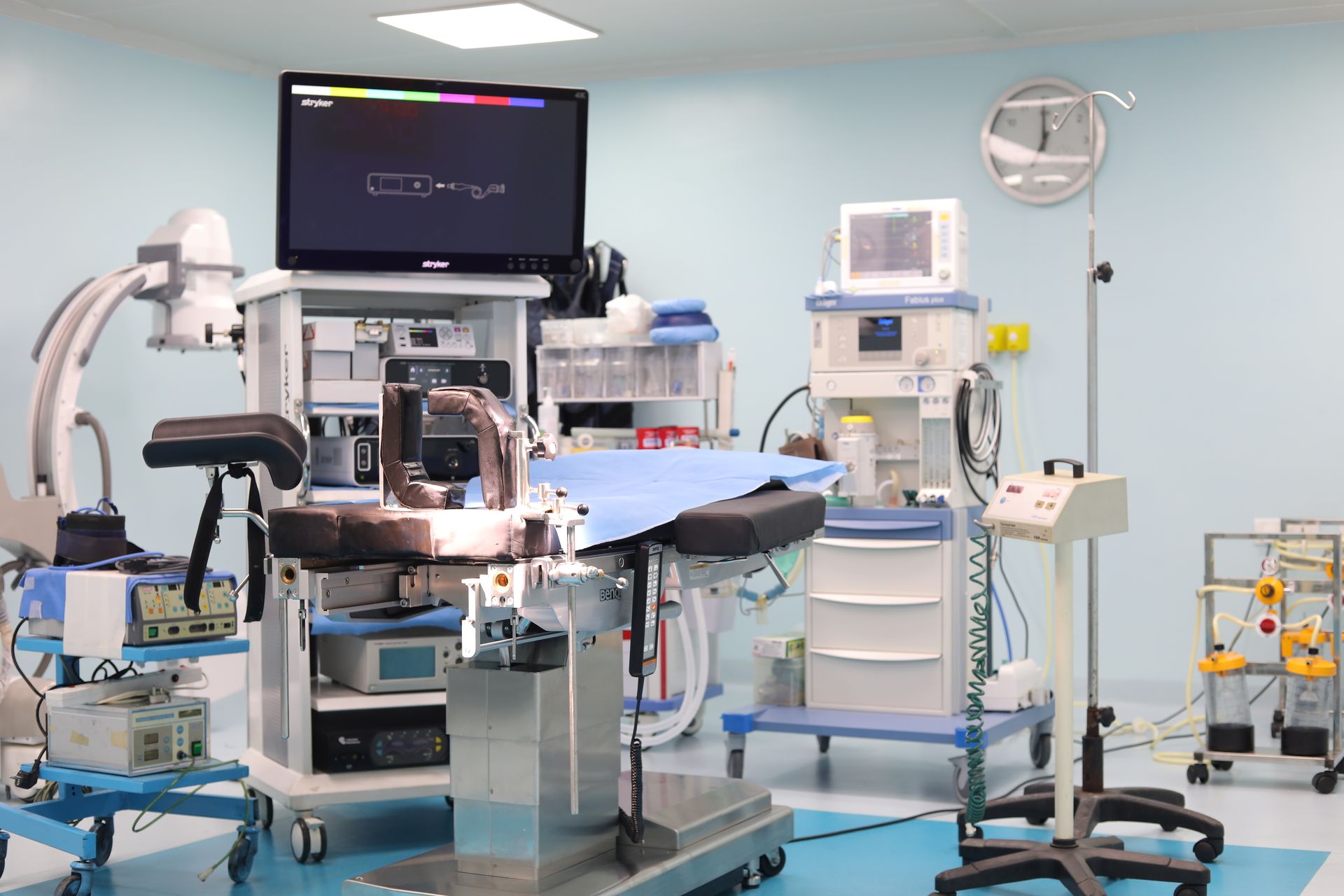
What is telesurgery? Inside a world-first operation by humanoid robots on live pigs
Surgeons remotely controlled humanoid robots to perform a preclinical operation on live pigs, described as a world first for the field. The trial is testing whether humanoid robotic platforms, rather than traditional fixed surgical robots, can make complex procedures more flexible and eventually deployable in more settings.

OpenAI's copyright fight with The New York Times: what a new sanctions motion alleges
The New York Times and other news publishers have filed a new motion for sanctions against OpenAI, alleging the company hid tools and datasets that could have identified copyrighted journalism appearing in ChatGPT outputs. The filing escalates a long-running lawsuit over how AI models are trained on published news content.

Meta's 'super sensing' smart glasses: always-on recording and the privacy questions it raises
Meta is reportedly developing prototype smart glasses that continuously record audio and capture images every few seconds, feeding an always-aware AI assistant. According to the Financial Times, one proposed design would keep raw footage from the wearer, a setup that sharpens long-running questions about consent and surveillance.