Why AI data centers are driving up Big Tech's carbon emissions

Microsoft's latest sustainability report shows the company's carbon emissions rose 25 percent in 2025, totaling roughly 34 million metric tons "without select interventions," according to the filing. The company attributes the increase primarily to the rapid expansion of its data center infrastructure to support growing demand for AI computing.
The rise comes despite Microsoft having set one of the tech industry's most ambitious climate targets years earlier, pledging to become carbon negative by 2030, meaning it aims to remove more carbon from the atmosphere than it emits. The latest figures suggest that goal has become considerably harder to reach as AI workloads scale up.
A large share of the increase stems from what the industry calls Scope 3 emissions, the indirect emissions generated across a company's supply chain, including the construction of new data center buildings, the manufacturing of specialized AI chips, and the extraction and processing of raw materials used in that hardware.
Microsoft also noted that its emissions were affected by a decision last year to stop purchasing what it called "non-additional, unbundled" renewable energy certificates, a type of credit that lets companies claim clean-energy use without necessarily funding new renewable power projects. Discontinuing that practice removed a bookkeeping offset that had previously helped lower Microsoft's reported footprint.
Data centers used to train and run large AI models consume substantially more electricity than the servers that power conventional cloud computing and web services, largely because of the specialized, power-hungry chips required for AI workloads and the intensive cooling systems needed to keep that hardware running.
Microsoft is far from alone in facing this tension. Other major cloud and AI providers have similarly reported rising emissions tied to data center expansion in recent sustainability disclosures, even as many of the same companies continue to publicly commit to long-term net-zero or carbon-negative targets.
To offset rising electricity demand, large tech companies have increasingly turned to signing long-term power purchase agreements directly with renewable energy developers, and in some cases have invested in nuclear power, including smaller modular reactor projects, as a way to secure large amounts of reliable, low-carbon electricity.
Critics of the industry's climate reporting argue that voluntary carbon accounting frameworks give companies significant flexibility in how they calculate and present emissions data, making it difficult for outside observers to fully compare climate performance across different companies' self-reported figures.
Microsoft said the emissions increase was "driven primarily by the expansion of our datacenter infrastructure" and reiterated its long-term carbon-negative commitment, without providing a revised timeline for when emissions might begin trending back downward as new efficiency measures and renewable energy investments come online.
The episode highlights a broader dilemma facing the AI industry: the same data center buildout needed to deliver more powerful AI models is, for now, also one of the fastest-growing sources of emissions at some of the world's largest technology companies.
Read next

What is Chat Control? The EU's new message-scanning proposal explained
The European Parliament has advanced a version of "Chat Control," a long-debated proposal aimed at detecting child sexual abuse material shared through messaging apps. Critics, including some lawmakers who backed the vote, argue the measures could weaken encryption and expose ordinary users' private messages to scanning.
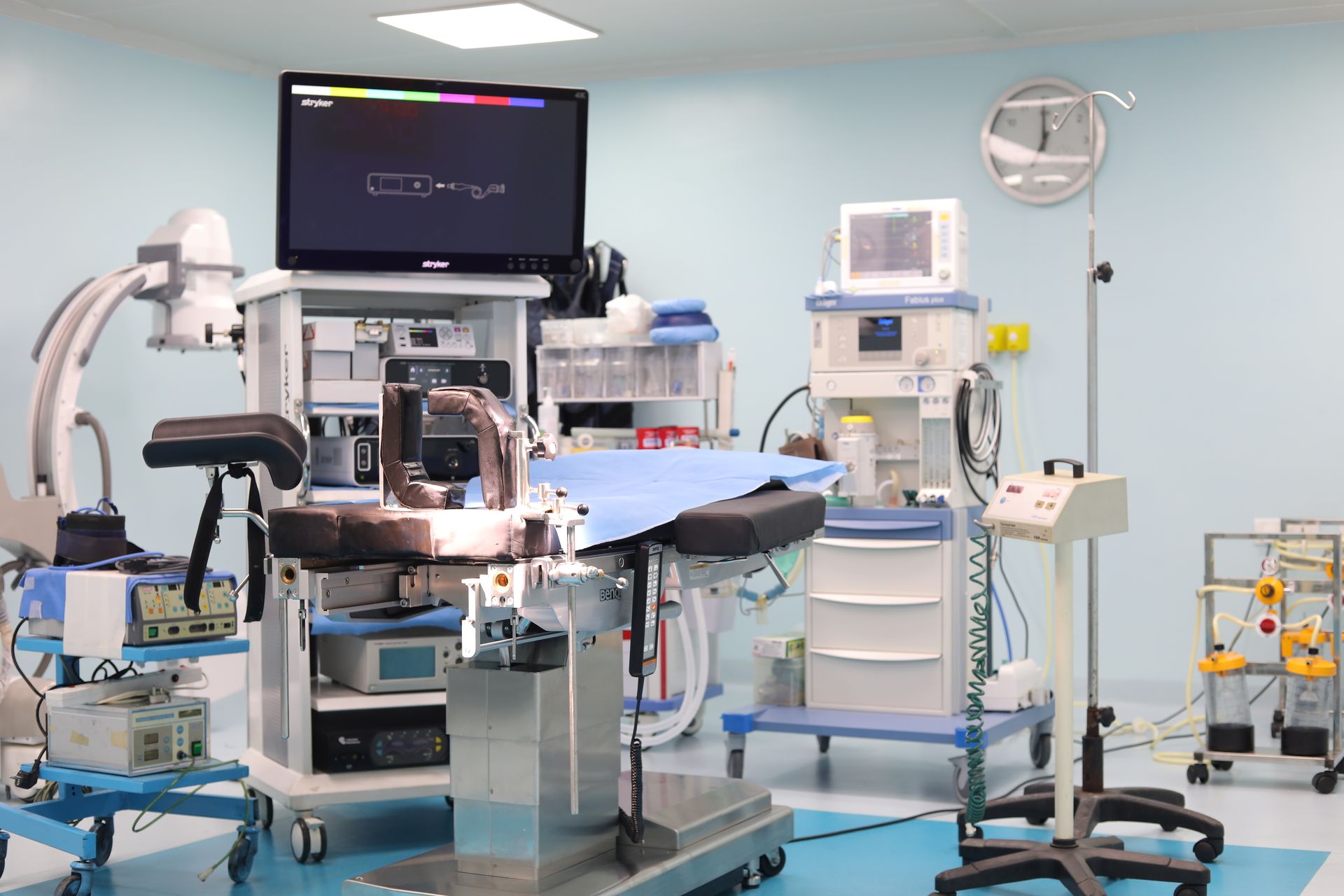
What is telesurgery? Inside a world-first operation by humanoid robots on live pigs
Surgeons remotely controlled humanoid robots to perform a preclinical operation on live pigs, described as a world first for the field. The trial is testing whether humanoid robotic platforms, rather than traditional fixed surgical robots, can make complex procedures more flexible and eventually deployable in more settings.

OpenAI's copyright fight with The New York Times: what a new sanctions motion alleges
The New York Times and other news publishers have filed a new motion for sanctions against OpenAI, alleging the company hid tools and datasets that could have identified copyrighted journalism appearing in ChatGPT outputs. The filing escalates a long-running lawsuit over how AI models are trained on published news content.

Fidji Simo steps down from OpenAI's no. 2 role after extended medical leave
OpenAI's number two executive, Fidji Simo, is stepping down from her full-time role after medical leave for a neuroimmune condition proved longer than expected. Her departure creates a leadership gap as the company weighs a possible IPO and competes with Anthropic for enterprise customers.

Meta's 'super sensing' smart glasses: always-on recording and the privacy questions it raises
Meta is reportedly developing prototype smart glasses that continuously record audio and capture images every few seconds, feeding an always-aware AI assistant. According to the Financial Times, one proposed design would keep raw footage from the wearer, a setup that sharpens long-running questions about consent and surveillance.