What is telesurgery? Inside a world-first operation by humanoid robots on live pigs
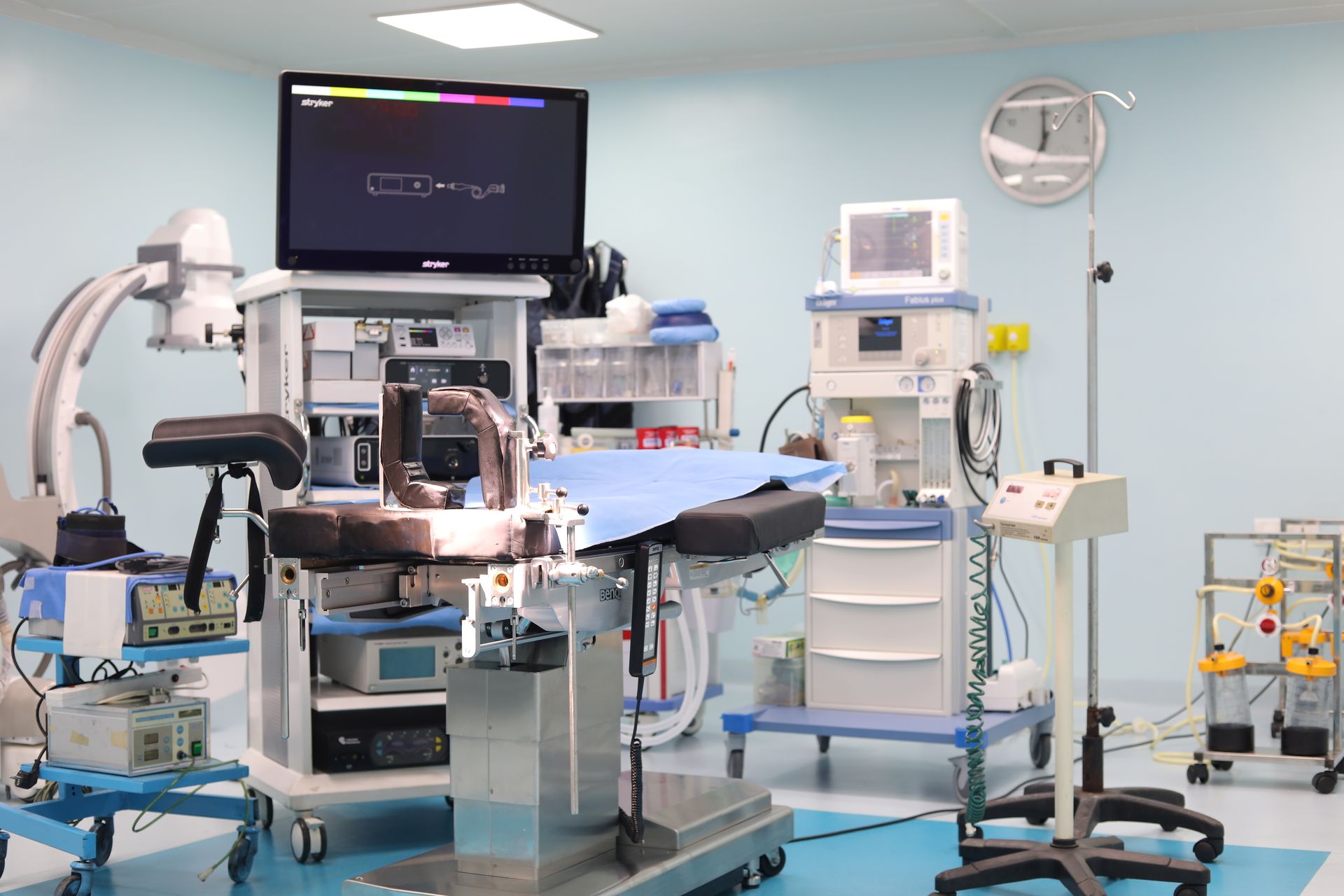
A team of surgeons has remotely controlled humanoid robots to carry out a preclinical surgical operation on live pigs, in what researchers involved are describing as a world first for the field of telesurgery. The trial is designed to test whether humanoid robotic platforms can eventually expand where and how complex surgery is performed.
Telesurgery refers to the practice of a surgeon operating on a patient from a different physical location, using robotic instruments controlled remotely rather than standing directly at the operating table. The concept has existed in limited forms for years, most notably with fixed surgical robot systems already used in hospitals for certain procedures.
What sets this trial apart is the use of general-purpose humanoid robots, rather than robots purpose-built and permanently installed as surgical equipment. Humanoid designs are built to move and manipulate objects in ways broadly similar to a human body, in principle making them more adaptable to different tasks and environments than robots engineered narrowly for one surgical function.
In the preclinical trial, surgeons directed the humanoid robots' movements from a separate location, with the robots carrying out the physical actions of the operation on the pigs under close supervision. Preclinical trials involving animals are a standard step used to test whether a medical technique or device is safe and effective before any consideration of human trials.
Proponents of humanoid surgical robots argue that a more general-purpose, adaptable robotic body could eventually make advanced surgical capability available in settings that cannot justify the enormous cost of dedicated, fixed surgical robot systems, such as smaller hospitals or facilities in remote regions.
The approach also raises the theoretical possibility of a single robotic platform being reconfigured for different medical tasks beyond surgery, rather than each procedure requiring its own specialized, expensive piece of equipment, though researchers caution that this remains a long-term goal rather than a near-term reality.
Existing surgical robot systems already allow some degree of remote operation and have been used clinically for years, particularly for procedures such as certain cardiac, urological and gynecological surgeries, where their precision offers advantages over traditional hand-held instruments in specific cases.
Researchers involved in the pig trial say the operation's success demonstrates the feasibility of the humanoid approach, but caution that extensive further testing, including additional preclinical trials and eventual regulatory review, would be needed before humanoid surgical robots could be used on human patients.
Telesurgery more broadly has long been discussed as a way to bring specialist surgical expertise to underserved regions, allowing a surgeon in one location to operate on a patient in a hospital that lacks a specialist with the same training, provided a reliable, low-latency network connection is available between the two sites.
Experts caution that meaningful barriers remain before humanoid telesurgery becomes routine, including questions about network reliability, regulatory approval processes, cost, and building sufficient clinical evidence that the approach is as safe as existing surgical methods across a wide range of procedures.
Read next

Why AI data centers are driving up Big Tech's carbon emissions
Microsoft's carbon emissions rose 25 percent last year, according to its own sustainability report, as the company expanded data center capacity to meet demand for AI computing. The increase illustrates a broader tension facing tech giants between climate commitments and the energy appetite of generative AI.

What is Chat Control? The EU's new message-scanning proposal explained
The European Parliament has advanced a version of "Chat Control," a long-debated proposal aimed at detecting child sexual abuse material shared through messaging apps. Critics, including some lawmakers who backed the vote, argue the measures could weaken encryption and expose ordinary users' private messages to scanning.

OpenAI's copyright fight with The New York Times: what a new sanctions motion alleges
The New York Times and other news publishers have filed a new motion for sanctions against OpenAI, alleging the company hid tools and datasets that could have identified copyrighted journalism appearing in ChatGPT outputs. The filing escalates a long-running lawsuit over how AI models are trained on published news content.

Fidji Simo steps down from OpenAI's no. 2 role after extended medical leave
OpenAI's number two executive, Fidji Simo, is stepping down from her full-time role after medical leave for a neuroimmune condition proved longer than expected. Her departure creates a leadership gap as the company weighs a possible IPO and competes with Anthropic for enterprise customers.

Meta's 'super sensing' smart glasses: always-on recording and the privacy questions it raises
Meta is reportedly developing prototype smart glasses that continuously record audio and capture images every few seconds, feeding an always-aware AI assistant. According to the Financial Times, one proposed design would keep raw footage from the wearer, a setup that sharpens long-running questions about consent and surveillance.