Elon Musk loses his lawsuit against Sam Altman and OpenAI
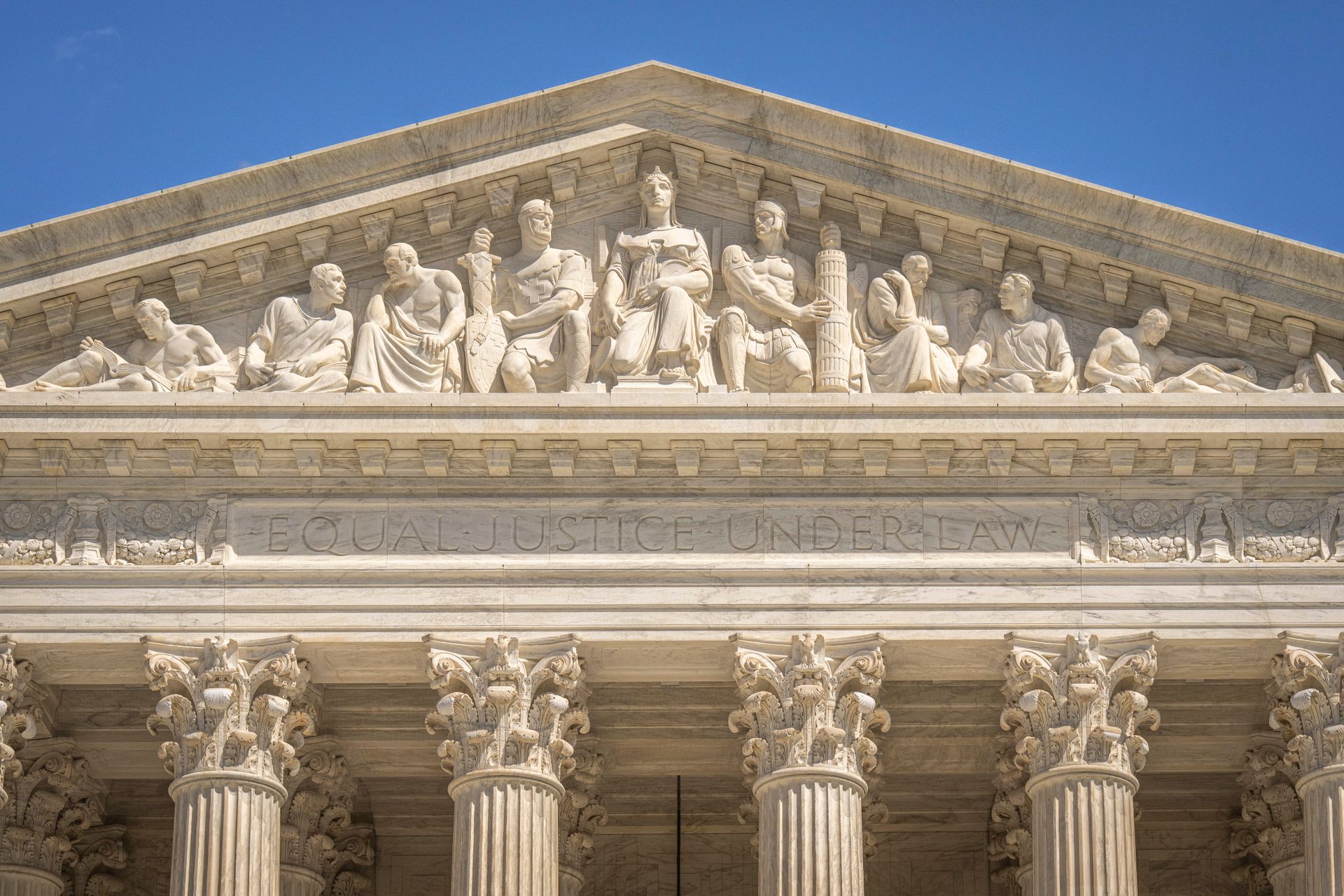
A US federal jury unanimously ruled against Elon Musk in his lawsuit against Sam Altman and OpenAI, according to TechCrunch. The case rested on the claim that OpenAI, when it was founded in 2015 as a non-profit, was supposed to work in humanity's interest in artificial intelligence, but later shifted to a for-profit structure.
The case was filed by Musk in February 2024 and argued that OpenAI's 2019 transition to a for-profit arm violated the founding agreement. Musk also contended that OpenAI's investment partnership with Microsoft (worth a total of 13 billion dollars) was inconsistent with its charitable status.
The jury verdict came after a three-week trial. On each of the three legal questions presented to the jury — breach of contract, diversion of non-profit purpose, and charitable fraud — the panel returned no finding in Musk's favour.
A central piece of evidence in the trial concerned an allegation that, several years after OpenAI was founded, Altman had floated the idea of handing the organisation's ownership to Musk's children. In his testimony, Altman said: "The idea was briefly discussed, but it never became an actual proposal."
OpenAI's defence rested largely on the testimony of three former board members. They said the for-profit structure of OpenAI operates under the control of its non-profit parent and is run in line with its charitable goals.
Musk's attorney Marc Toberoff said the case could be appealed up to the US Supreme Court. TechCrunch noted, however, that legal experts consider the prospects of any such appeal to be limited.
The xAI company that Musk founded after leaving OpenAI's board in 2018 is now a direct competitor. The Grok model developed by xAI is positioned as an alternative to OpenAI's ChatGPT, although its market share is still under 4 per cent.
Shortly after the ruling, OpenAI's CEO Altman made a brief public statement on social media, writing: "Good to see this chapter of our lives behind us. Now we can keep working on AI and the benefit of humanity."
Musk, for his part, said on the social media platform X that he did not accept the ruling and would appeal. "This is the triumph of money, not the triumph of law," he wrote, without setting out the legal grounds for any appeal.
The ruling lifts one of the lingering legal uncertainties around OpenAI and the broader AI sector. The company was most recently reported at a 157-billion-dollar valuation and is said to be examining a range of strategic financing options, including a public listing.