Amazon Mechanical Turk closes to new customers: the end of an era for micro-work
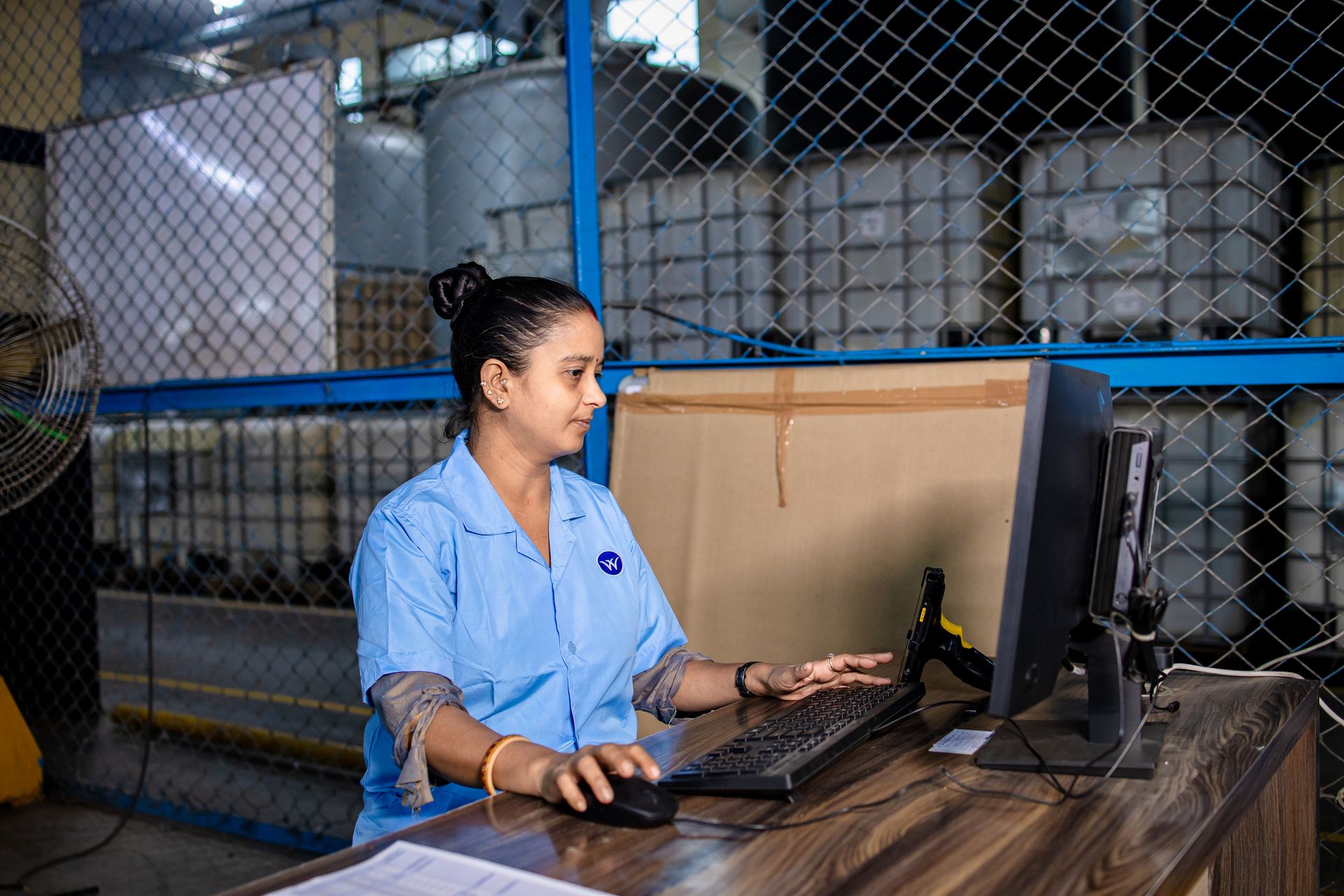
Amazon is closing the doors of Mechanical Turk to new customers, according to TechCrunch, a quiet but symbolic step for one of the internet's earliest and most influential experiments in distributed human labour. The platform will no longer take on new clients, even if existing users are affected differently, marking the beginning of the end for a service that helped define an entire category of work.
Mechanical Turk, often shortened to MTurk, launched in the mid-2000s with an unusual premise. It let businesses break large jobs into tiny tasks, each too simple or subjective for software to do reliably, and farm them out to a global pool of people willing to complete them for small payments. Amazon described it as artificial artificial intelligence: software calling on humans behind the scenes.
The name itself was a historical nod, referencing an 18th-century chess-playing automaton that appeared mechanical but concealed a human operator inside. The joke captured the platform's essence, computer systems that looked automated but relied on hidden human effort to function, a dynamic that has only grown more relevant in the age of artificial intelligence.
The tasks on offer became known as human intelligence tasks. They ranged widely: labelling images, transcribing audio, moderating content, checking data, answering surveys and countless other jobs that machines could not handle alone. Academic researchers embraced it too, using the platform to recruit participants for studies quickly and cheaply.
That role in data work proved unexpectedly foundational for the technology industry. Much of modern machine learning depends on vast quantities of labelled examples, and for years crowdsourced workers provided exactly that raw material. The systems now marketed as cutting-edge artificial intelligence were, in part, built on the accumulated micro-labour of platforms like MTurk.
The model also drew sustained criticism. Pay for individual tasks was often very low, work could be unpredictable, and the people doing it had little job security or bargaining power. Debates about the ethics of micro-work, and about how the human labour behind automation is compensated and acknowledged, frequently pointed to Mechanical Turk as a defining example.
Why Amazon is stepping back now is a question the closure raises more than it answers. The market for data work has evolved, with specialised companies offering more managed, higher-quality labelling services aimed at training advanced AI models, a more demanding task than the piecework MTurk was designed around. A marketplace built for simple, cheap tasks may simply fit that world less well.
Closing to new customers is not the same as shutting down, and the immediate practical impact may be limited. But cutting off new demand is typically how a platform winds down rather than grows, and it signals that Amazon no longer sees Mechanical Turk as a service to expand, even as the broader need for human input into AI systems continues.
The irony is hard to miss. As artificial intelligence has become the defining technology story of the moment, one of the original engines of the human labour that underpins it is being quietly retired. The need for people to label, check and guide machine systems has not gone away; it has moved to newer platforms built for a more demanding era.
For the many workers who earned income through the platform over two decades, and the researchers who relied on it, the change closes a chapter. Mechanical Turk was never a household name, but its fingerprints are on a great deal of the data-driven technology that followed, a reminder that behind automation there has almost always been a person.
Read next
Does code cleanliness affect AI coding agents? What a new study asks
Programmers have long argued that clean, well-organised code is easier to work with. A new research paper asks whether the same holds for AI coding agents, testing if messy code makes the software assistants now writing code perform worse. Here is why the question matters.

AI schools for the rich: inside the classrooms letting software teach kids
A wave of expensive private schools is putting artificial intelligence at the centre of the classroom, with software driving lessons and human adults acting more as coaches. The Verge reports on the model attracting wealthy families, and the questions it raises about what education should be.

Earth's missing 500 million years: how cosmic bombardment erased the first crust
The rock record of Earth's earliest history is strangely blank for hundreds of millions of years. New research suggests a relentless cosmic bombardment repeatedly melted the young planet's first crust, erasing the evidence, and offers an explanation for one of geology's oldest puzzles.

What is Bending Spoons? The app-buying giant behind AOL and Vimeo, explained
Bending Spoons, the Italian company that has quietly bought a string of well-known apps including Evernote, WeTransfer and Vimeo and now owns AOL, has gone public. Here is a plain guide to what the company does, how its acquire-and-run strategy works and why it has drawn both attention and criticism.

How jellyfish heal wounds in minutes, and why scientists want their secret
Some jellyfish can close and repair serious wounds in a matter of minutes, a feat that has scientists at the Marine Biological Laboratory studying how they do it. Understanding this rapid, scarless healing could offer clues for regenerative medicine, according to the research.