RBNZ Survey: Higher Inflation, Higher Unemployment and Weaker Growth Expected
Analysts surveyed by New Zealand's central bank revised their expectations downward, anticipating higher inflation, higher unemployment and weaker growth over the next year. The results have refocused debate over the RBNZ's rate path.

The Reserve Bank of New Zealand's latest quarterly survey of expectations showed analysts revising their outlook in a negative direction, with higher inflation, higher unemployment and weaker growth all anticipated over the year ahead. One-year inflation expectations rose to 2.7%, with the two-year reading at 2.4%.
Respondents now see unemployment climbing to 5.3% next year and have trimmed their annual GDP growth forecast to 1.1%. The survey points to continued weakness in household consumption, slower investment activity and the spill-over effects on commodity costs from the Iran crisis.
The RBNZ is due to take its next rate decision at its June meeting. Westpac said last week that the country could avoid a technical recession but face a rocky remainder of the year. Economists said the survey gives policymakers an additional argument to consider rate cuts in their forthcoming review.
More from Australia-Pacific
Australian Federal Budget Lifts Migration Forecasts by 55,000
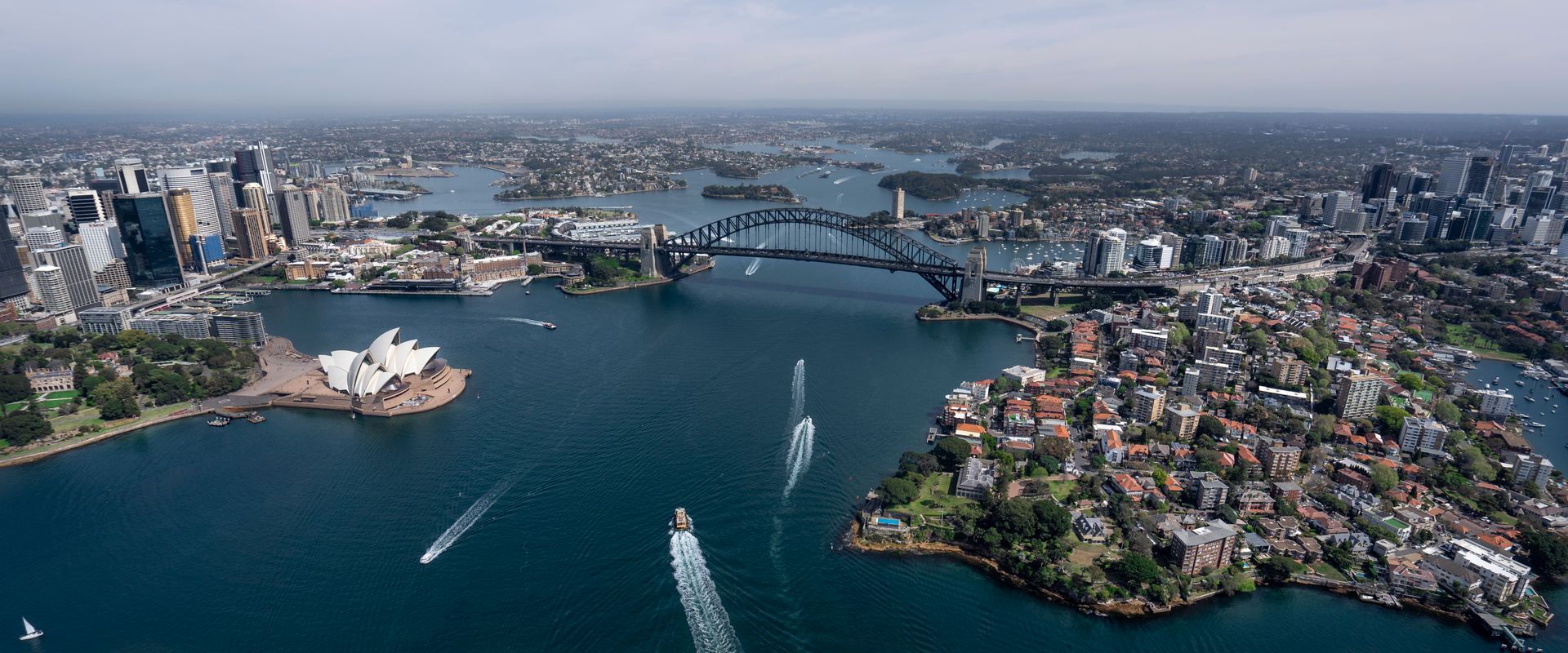
Australia's Labor government has revised its migration forecasts upward by 55,000 people in the federal budget. Treasury now projects roughly one million more migrants will arrive in Australia by 2030, in figures published this week.

Indigenous Australians Win Record A$150m After Mining Without Permission
A federal court ordered a billionaire to pay A$150 million to an Indigenous community after mining on sacred land without permission. The ruling is the largest compensation ever awarded over Indigenous land rights in the country.

New Zealand's Petrol Stocks Rise as Jet Fuel Reserves Decline
New Zealand government data show the country's petrol stockpile has grown while jet fuel reserves have fallen. Debate over the Iran crisis and fuel supply security continues.