Bahrain-Led UN Resolution on Strait of Hormuz Backed by 112 Nations
A UN General Assembly resolution led by Bahrain calling for the safeguarding of navigation through the Strait of Hormuz has secured the backing of 112 countries. The text comes amid escalating regional tensions and is being viewed as a diplomatic reference point.
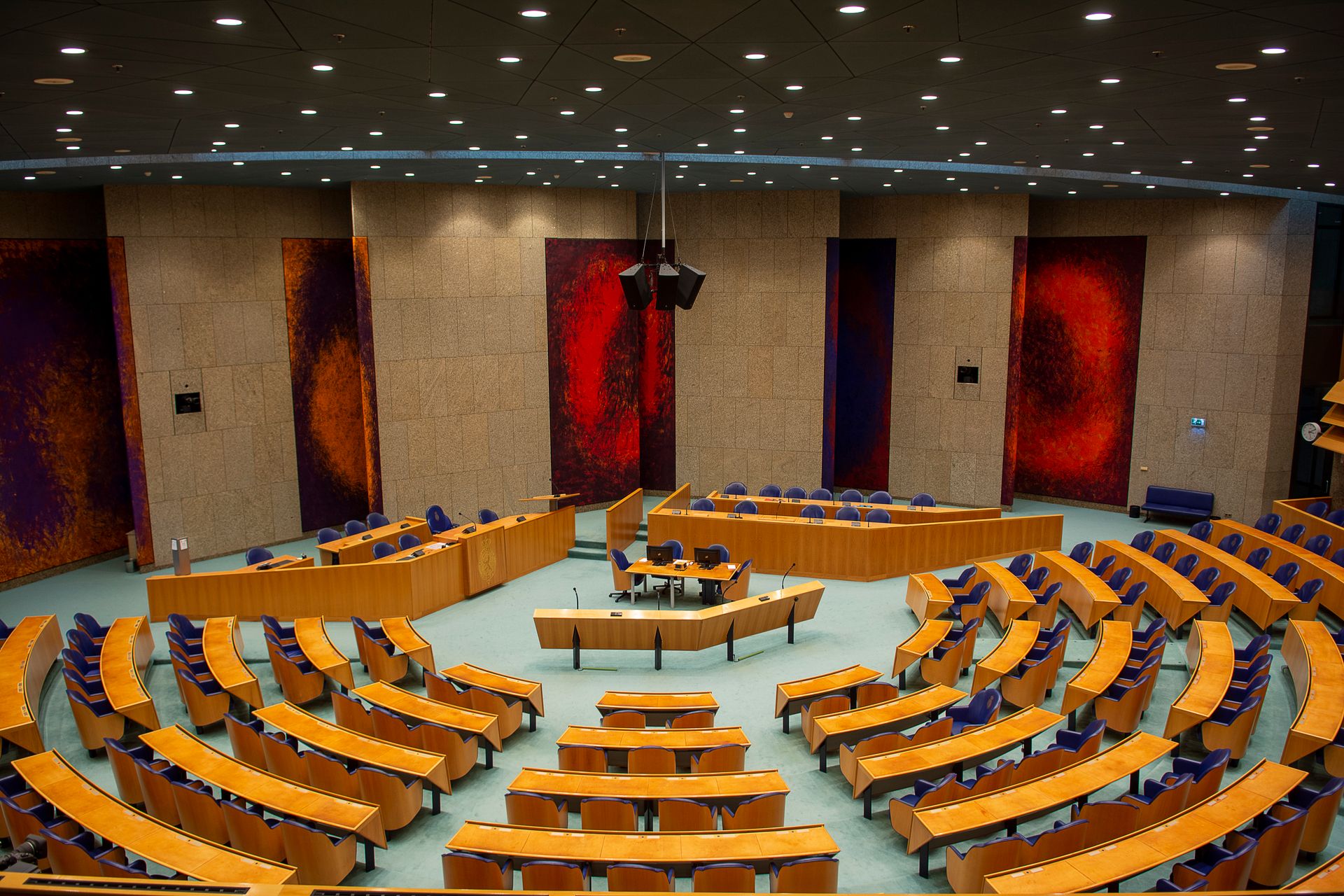
A UN General Assembly resolution drafted by Bahrain and calling for safe and free passage through the Strait of Hormuz secured the support of 112 countries. The resolution is non-binding, but it has been closely watched as a diplomatic reference point amid rising regional tension.
The text urges states to uphold international maritime law and to refrain from actions that could obstruct the transit of commercial vessels. Bahrain's foreign ministry said the broad backing showed regional states viewed navigation freedom as a shared priority and not a bilateral matter.
Iran and its allies opposed the resolution and several regional states abstained. Diplomatic sources said the text is not directly linked to the US-led maritime coalition, but it sends a political signal that may influence the contours of operational coordination in the coming weeks.
More from Middle East
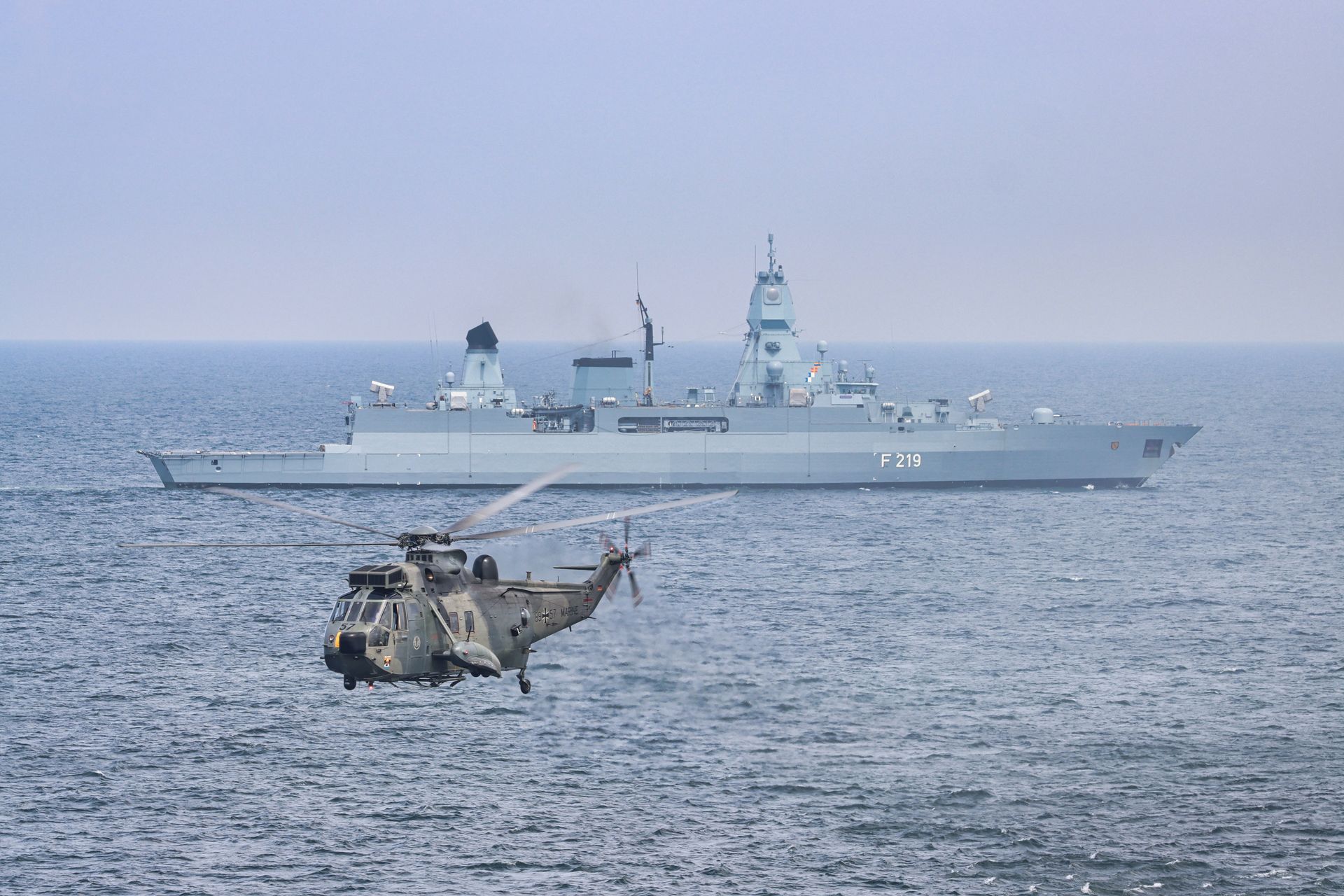
UK Promises Jets, Drones and Warship for Strait of Hormuz Defence Mission
The United Kingdom has pledged to contribute fighter jets, drones and a warship to the US-led mission protecting navigation through the Strait of Hormuz. The decision follows a series of recent attacks on commercial shipping in the region.

Israeli Investigation Says Hamas Systematically Used Sexual Violence in 7 October Attacks
Israel's state civil commission published a report concluding that Hamas combatants systematically used sexual violence during the 7 October 2023 attacks. Hamas has rejected the findings, while the UN reiterated calls for independent verification.
Bowen: Strait of Hormuz standoff raises risk of sliding back into all-out war
BBC correspondent Jeremy Bowen warns that the US and Iran's mutual pressure in the Strait of Hormuz has put the fragile ceasefire at serious jeopardy, risking a return to full-scale conflict.