Fighting in Sudan's Blue Nile State Displaces Thousands
Renewed fighting between Sudan's Rapid Support Forces and the army in southern Blue Nile State has displaced thousands of people. The United Nations said humanitarian corridors are narrowing rapidly and food distribution has been disrupted in the area.

Renewed fighting between Sudan's Rapid Support Forces (RSF) and the regular army in southern Blue Nile State has displaced thousands of civilians over the past few days. Footage shared by Al Jazeera showed families, including children and elderly residents, moving north toward camps.
The United Nations Office for the Coordination of Humanitarian Affairs (OCHA) said at least 12,000 people had fled their homes in the latest wave. Officials said convoys carrying water, food and medical supplies are struggling to reach the area, and humanitarian agencies say existing stocks are running out fast.
Sudan's civil war, which began in April 2023, has produced one of the world's largest humanitarian crises. UN figures put total internal displacement at more than 10 million, with millions more in neighbouring countries. While bordering states have kept crossings open, agencies say they are nearing the limits of their capacity to host refugees.
More from Africa
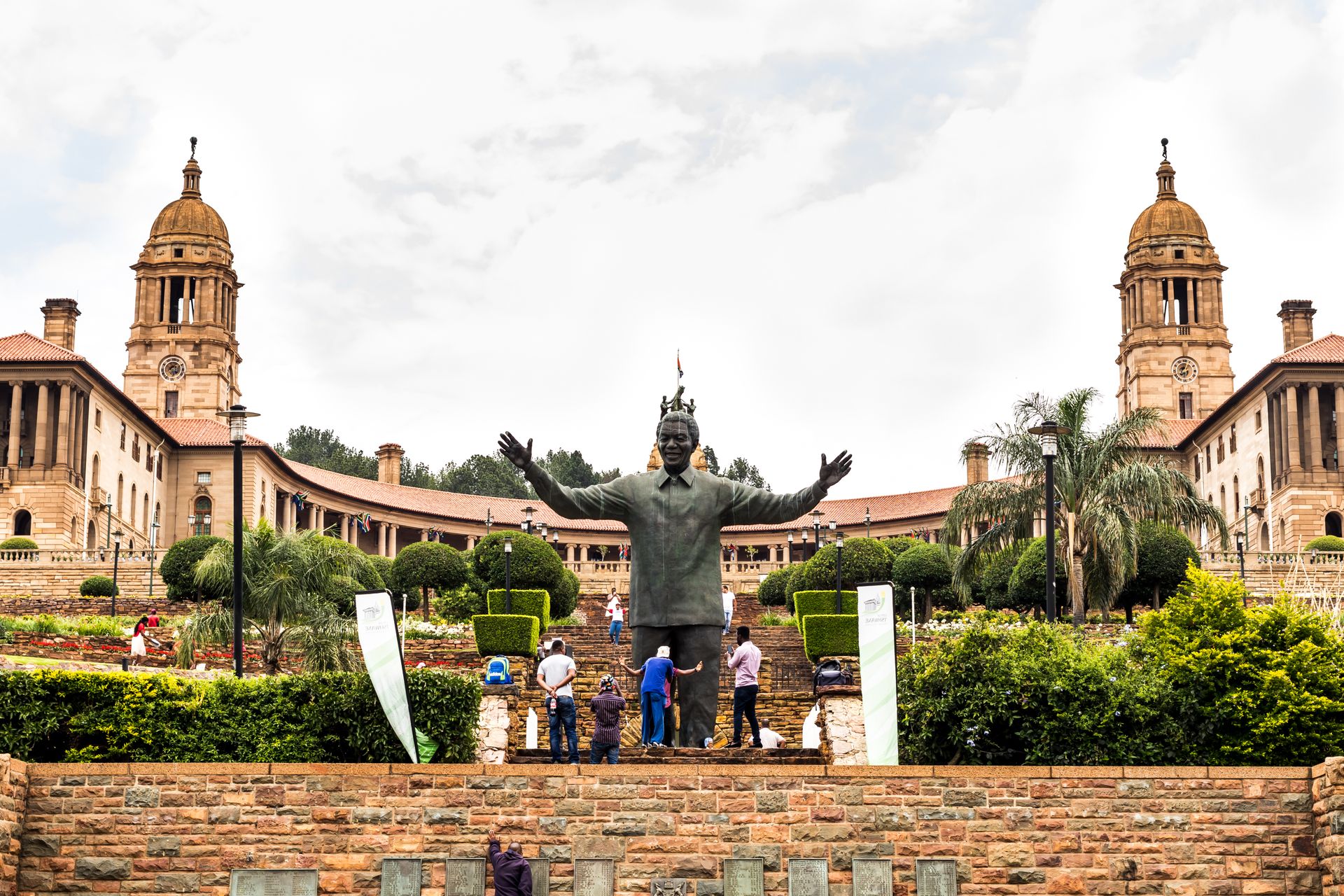
South Africa's Top Court Bars Repeat Asylum Applications
South Africa's Constitutional Court has ruled that asylum seekers whose applications have been rejected cannot lodge fresh claims on the same grounds. The government says the judgment will ease pressure on the system, while human rights groups have raised concerns.

Mali junta leader names himself defence minister after predecessor killed
Mali's military junta leader has assumed the role of defence minister after his predecessor, Sadio Camara, was killed in a major offensive by combined jihadist and separatist forces.

Dress Made from 500 Loaves Steals the Show at African Film Awards
A dress sculpted from five hundred loaves of bread by a Nigerian designer drew the spotlight at the African Movie Academy Awards in Lagos. The piece was framed as a statement on food prices and waste across the continent.