South Africa's Top Court Bars Repeat Asylum Applications
South Africa's Constitutional Court has ruled that asylum seekers whose applications have been rejected cannot lodge fresh claims on the same grounds. The government says the judgment will ease pressure on the system, while human rights groups have raised concerns.
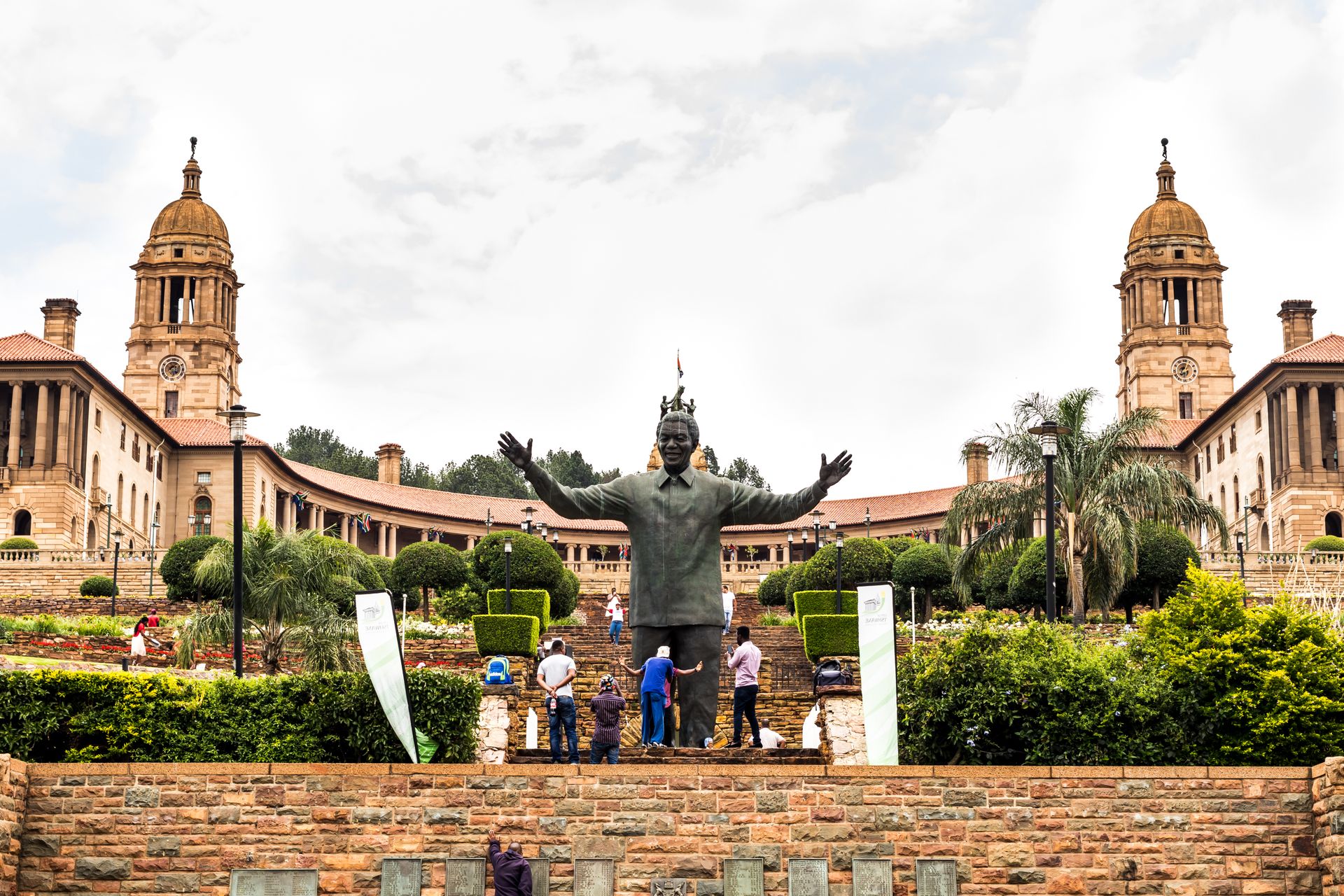
South Africa's Constitutional Court has ruled that asylum seekers whose claims have been rejected cannot file fresh applications on the same grounds. The judgment is described as a major step in the government's long-running effort to reduce backlogs in the asylum system.
South Africa receives one of the largest volumes of asylum applications in sub-Saharan Africa. According to figures from the Department of Home Affairs, annual applications have run into the hundreds of thousands in recent years. The ministry says the ruling will improve procedural efficiency and prevent the re-filing of rejected claims.
Human rights organisations cautioned that the decision could make it harder for applicants whose circumstances change to be properly reassessed. The UN refugee agency UNHCR said it would issue further guidance on implementation; the judgment now awaits implementation rules from the Department of Home Affairs.
More from Africa

Fighting in Sudan's Blue Nile State Displaces Thousands
Renewed fighting between Sudan's Rapid Support Forces and the army in southern Blue Nile State has displaced thousands of people. The United Nations said humanitarian corridors are narrowing rapidly and food distribution has been disrupted in the area.

Mali junta leader names himself defence minister after predecessor killed
Mali's military junta leader has assumed the role of defence minister after his predecessor, Sadio Camara, was killed in a major offensive by combined jihadist and separatist forces.

Dress Made from 500 Loaves Steals the Show at African Film Awards
A dress sculpted from five hundred loaves of bread by a Nigerian designer drew the spotlight at the African Movie Academy Awards in Lagos. The piece was framed as a statement on food prices and waste across the continent.