Markets brace for Warsh's first Fed meeting with policy stance still unclear
New Federal Reserve chair Kevin Warsh leads his first policy meeting this week, and economists say they have unusually little visibility on the stance he will take. Markets are weighing whether he will signal a faster path to rate cuts or hold steady amid still-sticky core inflation. His Wednesday press conference will be the first close read on his approach.
Kevin Warsh leads his first Federal Open Market Committee meeting as Federal Reserve chair this week. MarketWatch reports that economists describe an unusually wide range of expectations for the meeting, with the former Fed governor's policy preferences relatively untested since the recent rate-cutting cycle began.
Warsh served on the Federal Reserve Board before and during the 2008 financial crisis, when he was widely viewed as relatively hawkish. Observers say his public remarks in recent months have shifted toward a more dovish register. With core inflation still holding above 3%, futures markets are pricing in between half and three-quarters of a percentage point of cuts by year-end.
Warsh will also oversee new economic projections and the dot plot. Investors will look for the median policy-rate forecast for end-2026, updated unemployment projections, and any signal about how patient Warsh is prepared to be on core inflation. The decision is due Wednesday afternoon US time. This is not investment advice.
Read next

Unclear whether US-Iran agreement will provide respite to Lebanon
Whether the framework deal between the US and Iran will offer Lebanon any real respite remains unclear, with Israel continuing strikes on Hezbollah targets in Beirut and southern Lebanon in the hours after the announcement. The cessation of broad regional fighting is fragile. Lebanon's economy is still contracting in mid-2026 amid mass displacement and an unresolved central-bank crisis.
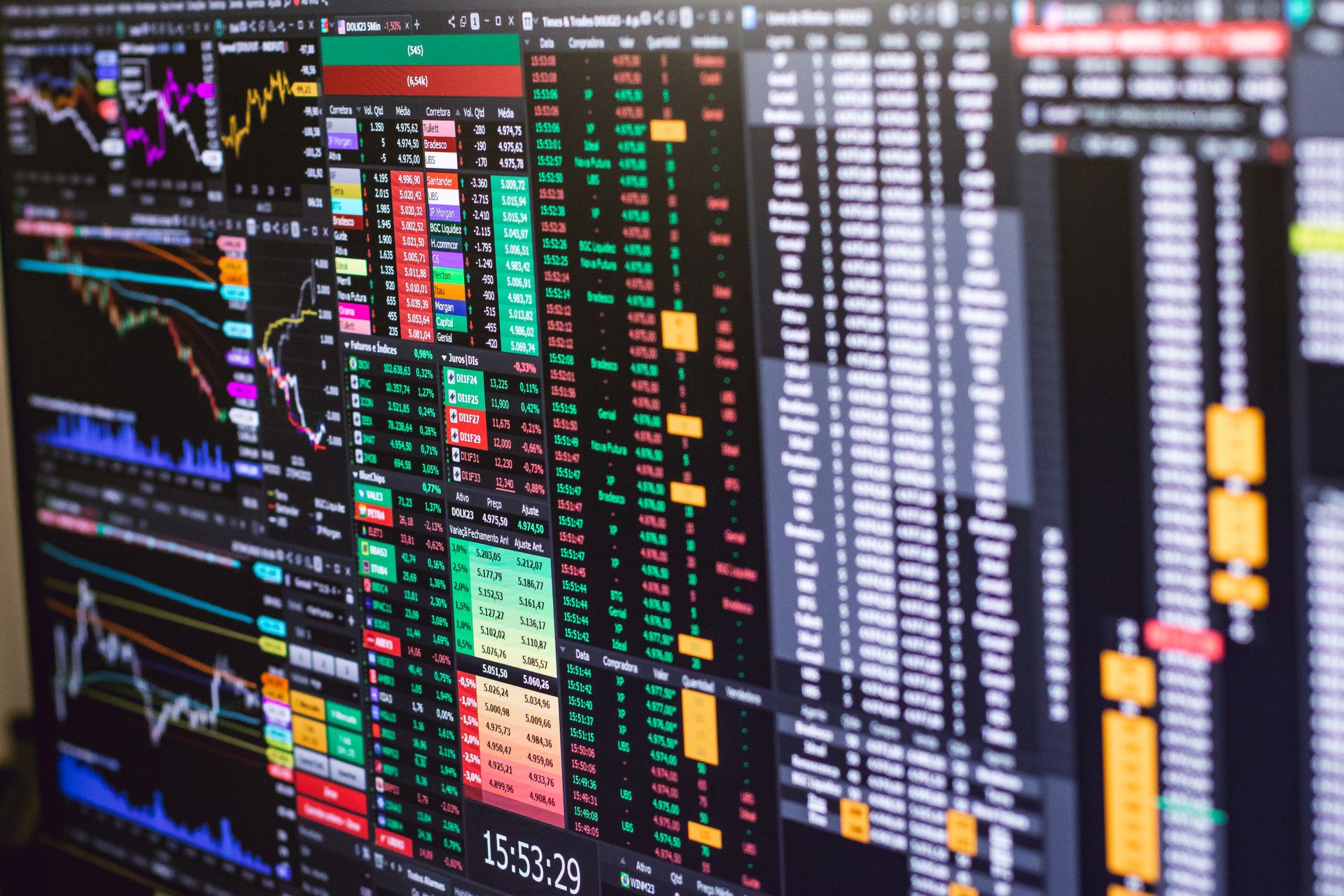
Asian stocks leap and currencies rise after Trump says Hormuz will reopen

Westpac economist says Iran peace deal could push New Zealand petrol back below NZ$3 a litre
Pimco warns defaults are starting again in debt markets, lays out defensive bond playbook
Morgan Stanley: tariffs failed to bring factories back to US