India's basmati rice and tea exports to West Asia grind to a halt, exporters demand compensation
India's basmati rice and tea exports to West Asia have largely stalled amid the conflict environment. Industry is demanding direct government support to cover losses from frozen letters of credit and sharp rises in shipping insurance premiums.
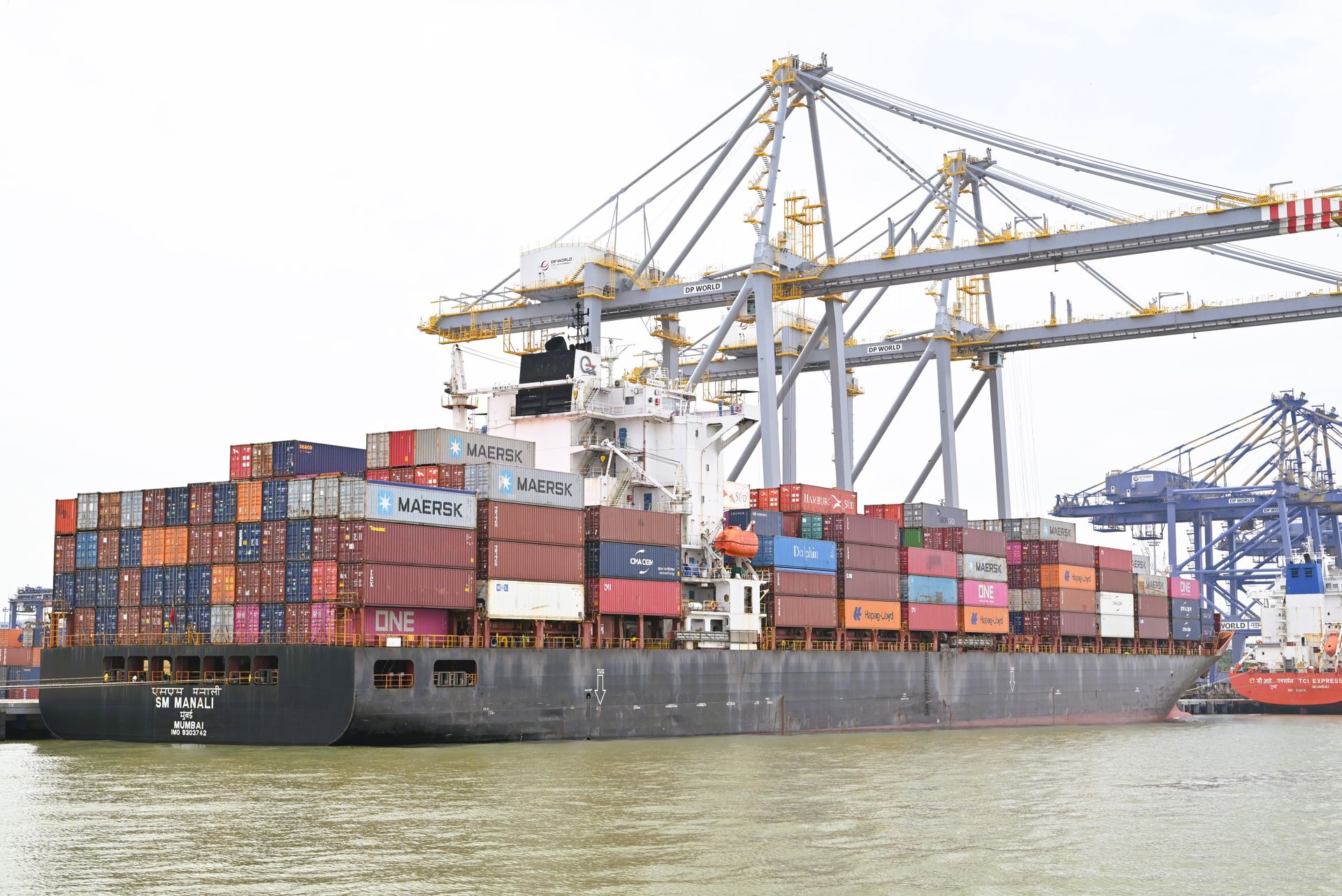
Data from the Federation of Indian Export Organisations (FIEO) shows that basmati shipments to Saudi Arabia, the United Arab Emirates and Iran fell close to 60% in May-June. Monthly losses for basmati alone are put at $300 million. Assam and Darjeeling tea exports for the same period dropped by half.
Exporters complain that banks have frozen letters of credit drawn on Iran and Lebanon on risk-assessment grounds. War-risk insurance premiums on the Lloyds market have climbed to about 3.5 times standard rates. The Indian Banks' Association said it was working on a temporary state-guarantee scheme for letters of credit.
The Commerce Ministry in Delhi said the US-Iran peace deal would reopen the Strait of Hormuz and that shipments would resume in phases. The Confederation of Indian Industry (CII) warned, however, that small and medium-sized exporters could not absorb the inventory and that a quick support package was essential. Not investment advice.
Read next

Gaza mourns four killed in Israeli strike
Four Palestinians were reported killed in an Israeli Defence Forces air strike in the Gaza Strip. The incident, occurring hours after the announcement of the US-Iran peace deal, has affected the regional diplomatic balance.

Lowy report finds China's ability to hit Australia with missiles is 'real and growing'

LNG tanker heads toward Hormuz as peace deal raises hopes of key waterway reopening

Medical teams in Goma face mistrust from relatives of Ebola victims

Swiss voters reject 10-million population cap proposal
