Brazil convicts Volkswagen of enslaving labourers on Amazon ranch 40 years ago
Brazil's Superior Labour Court found Volkswagen do Brasil guilty of subjecting hundreds of workers to slave-like conditions at its Cristalino cattle ranch in Pará state during the 1970s and 1980s, ordering the company to pay 165 million reais (about $30 million) in damages.
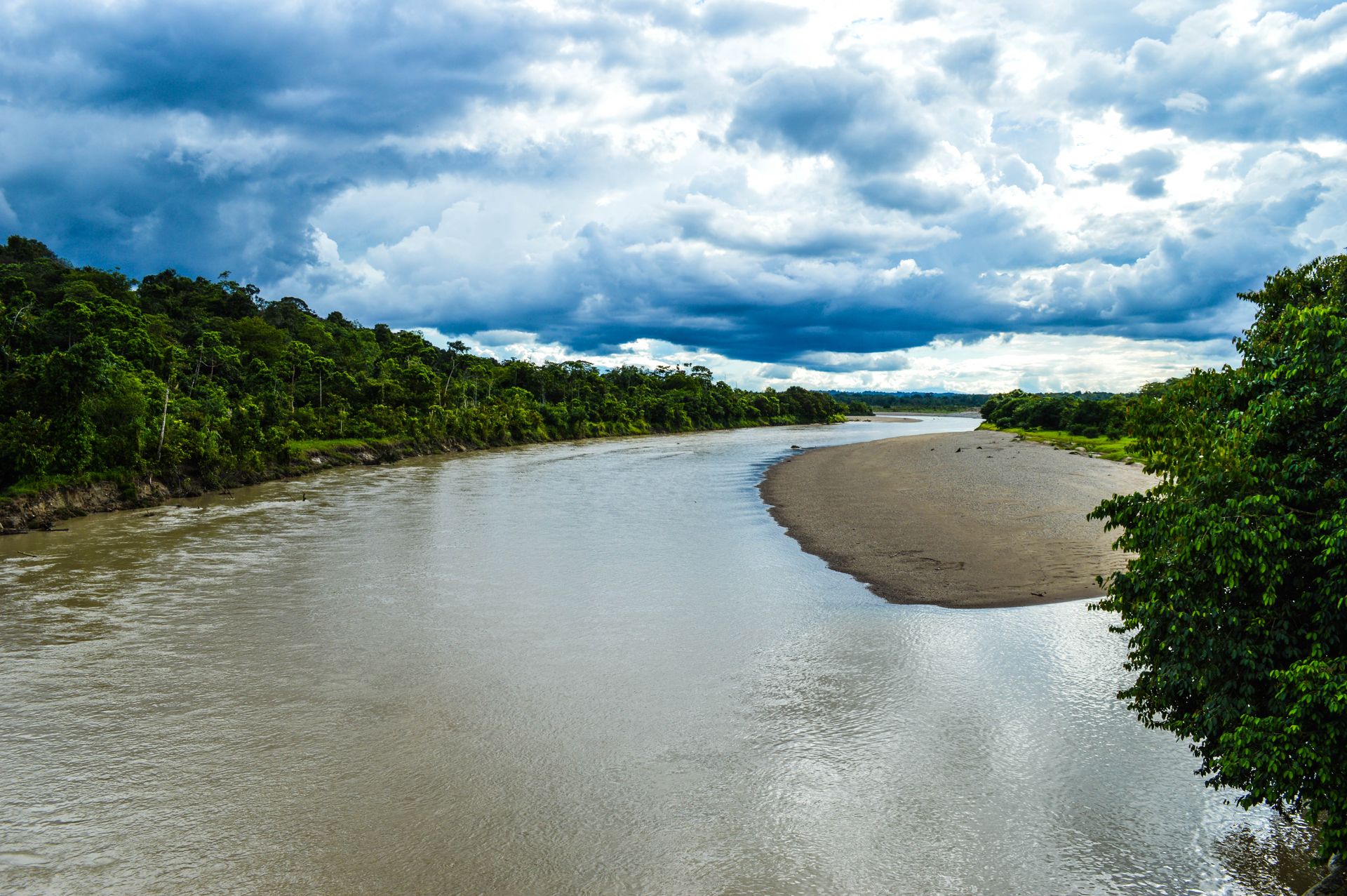
Brazil's Superior Labour Court on Monday found Volkswagen do Brasil guilty of holding hundreds of workers in slave-like conditions at its Cristalino cattle ranch in Pará state between 1974 and 1986. The ruling orders the company to pay 165 million reais (about $30 million) in collective moral damages.
The case is built on testimony gathered in the late 1980s: workers were kept on the remote ranch by armed guards, charged for equipment from their wages, and indebted to the company-owned canteen. Federal prosecutor Rafael Garcia told the court that « this is one of the worst documented cases of corporate exploitation in Latin America. »
Volkswagen do Brasil said in a statement it respected the ruling but would appeal; a company spokesperson said « operations at Cristalino ended in 1990 and the practices were not sanctioned. » Brazil's Labour Ministry said the fund will be distributed to surviving victims and to the families of former workers. The ruling sets a precedent on the historical liability of multinationals in the Amazon.
Read next

US eases Iranian oil sanctions as Iran denies Vance claim on nuclear inspectors
The US Treasury on Monday eased certain sanctions on Iranian oil exports, while Iran's Foreign Ministry rejected as « factually incorrect » a claim by US Vice President JD Vance that nuclear inspectors had been granted « full access » to facilities.
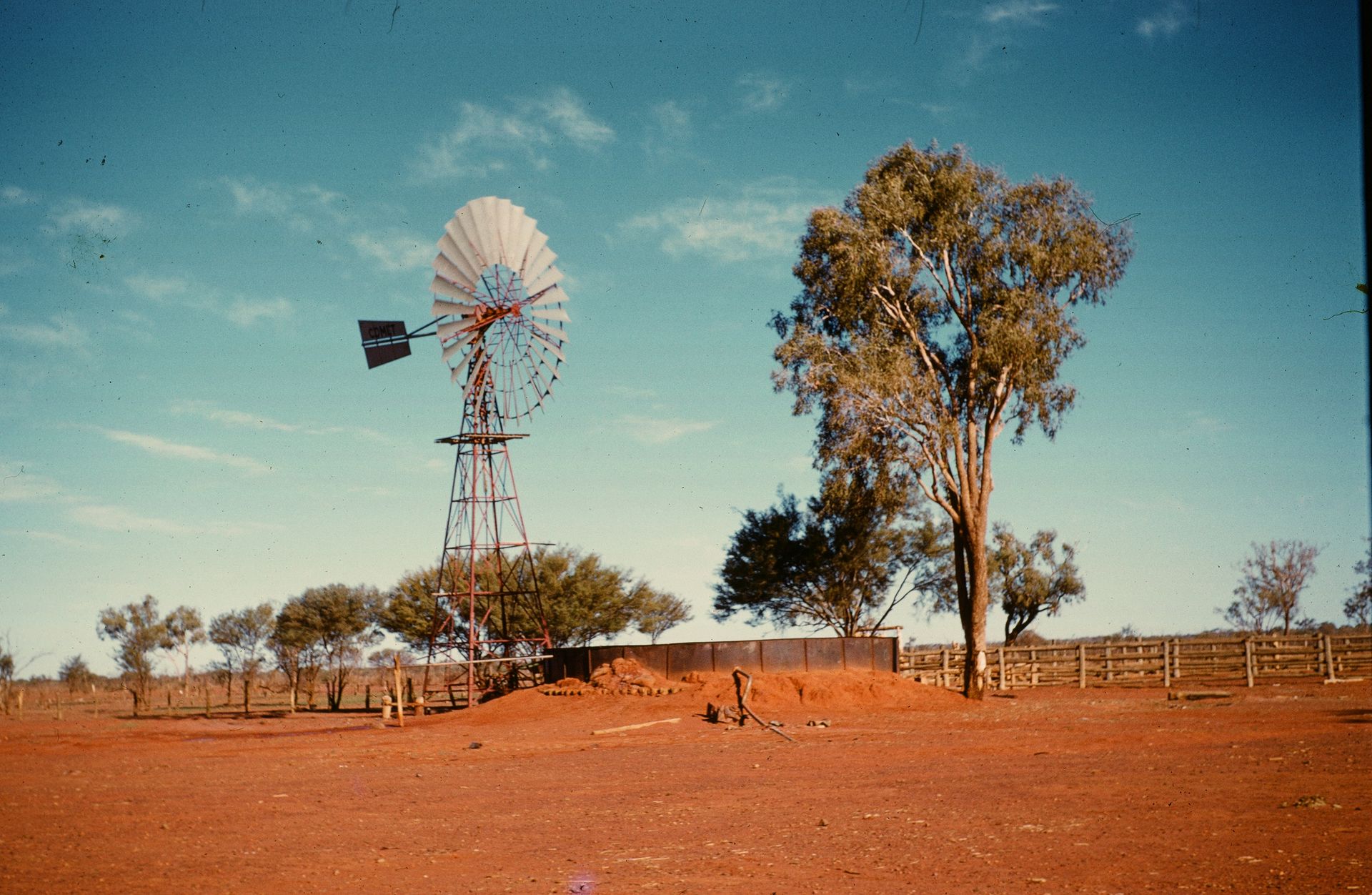
Australian renewable energy company admits « failures » caused destruction of Aboriginal rock shelter
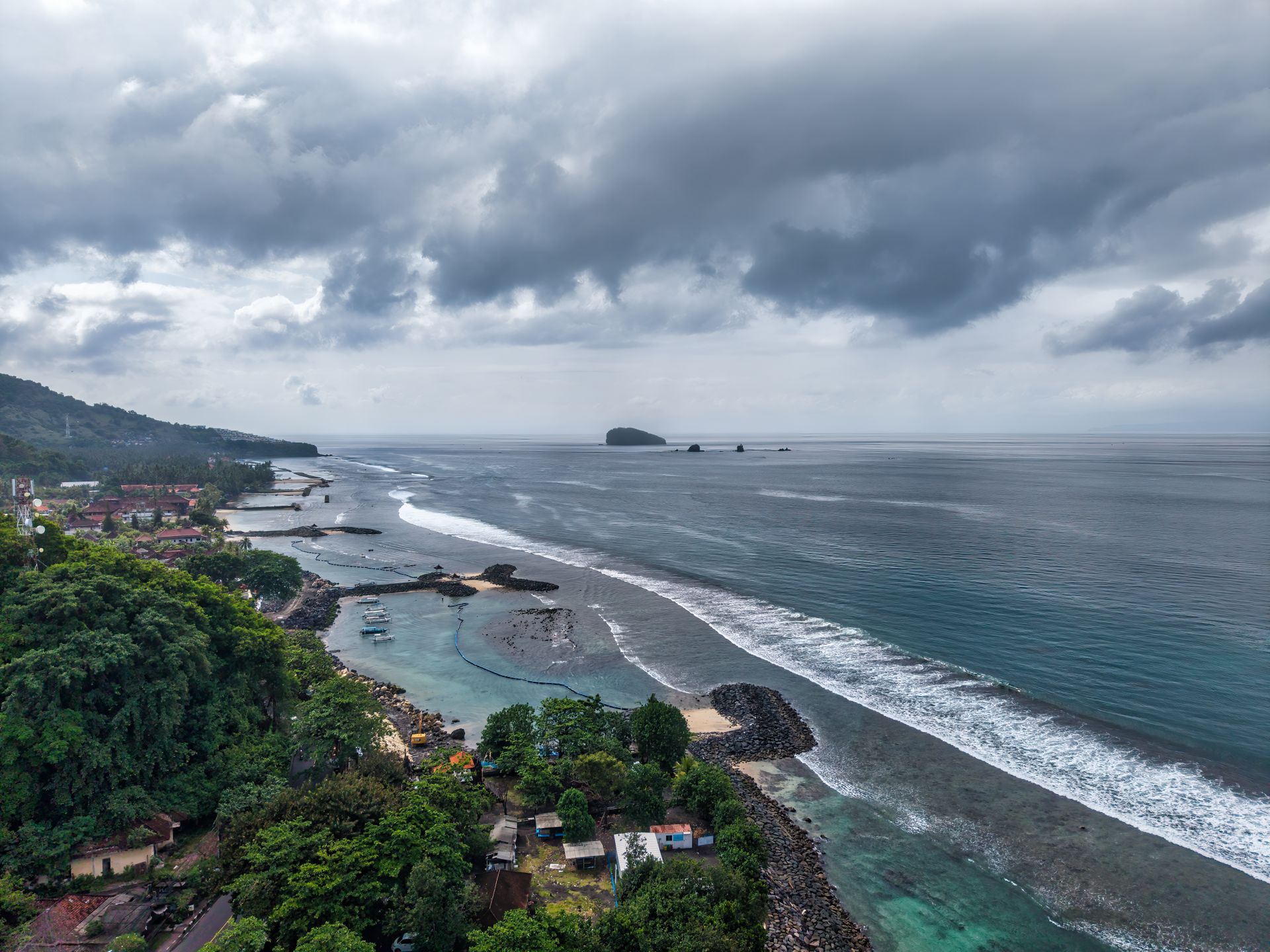
Australia's coal and gas exports violate human rights, group says in new UN case

China's strategic mineral controls threaten EU rearmament push, bloc seeks new sources
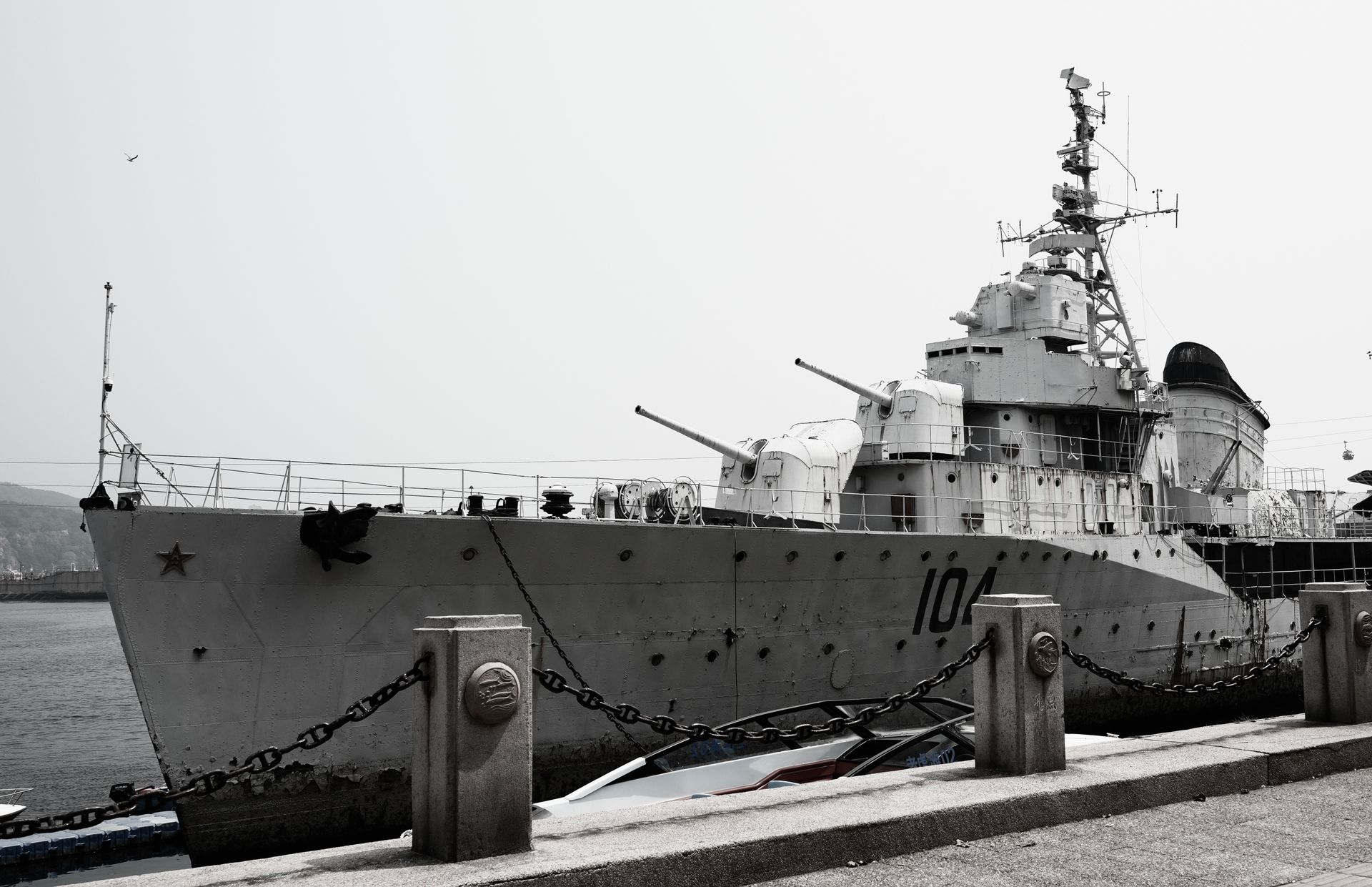
North Korea's Kim calls Japan a re-emerging « war state » in rare public address