Economic Times: rising fuel prices to strain Indian household budgets as West Asia crisis pushes crude above $100
Speaking to the Economic Times, a chief economist said that crude breaking above $100 will directly affect Indian fuel prices and inflation expectations. The Reserve Bank of India's foreign-exchange intervention toolbox remains active.

Chief economist Manoranjan Sharma told the Economic Times that the Indian economy is among the markets most exposed to the West Asia crisis. Brent crude breaking the $100 level in the latest wave is again pushing up inflation expectations in India, where diesel and LPG account for a sizeable share of household budgets.
Sharma added that the Reserve Bank of India's foreign-exchange intervention toolbox remains active, and that the rupee trading near 86 to the dollar has cushioned the fuel-price pass-through but is also weighing on disposable household income. New Delhi is reviewing the buffer mechanisms that already rely on gross fuel taxes.
Finance ministry sources said additional sales from the strategic reserve could be used to support the domestic market if needed. The Reserve Bank of India's late-June monetary policy decision will be closely watched. This article is not investment advice.
More from Asia
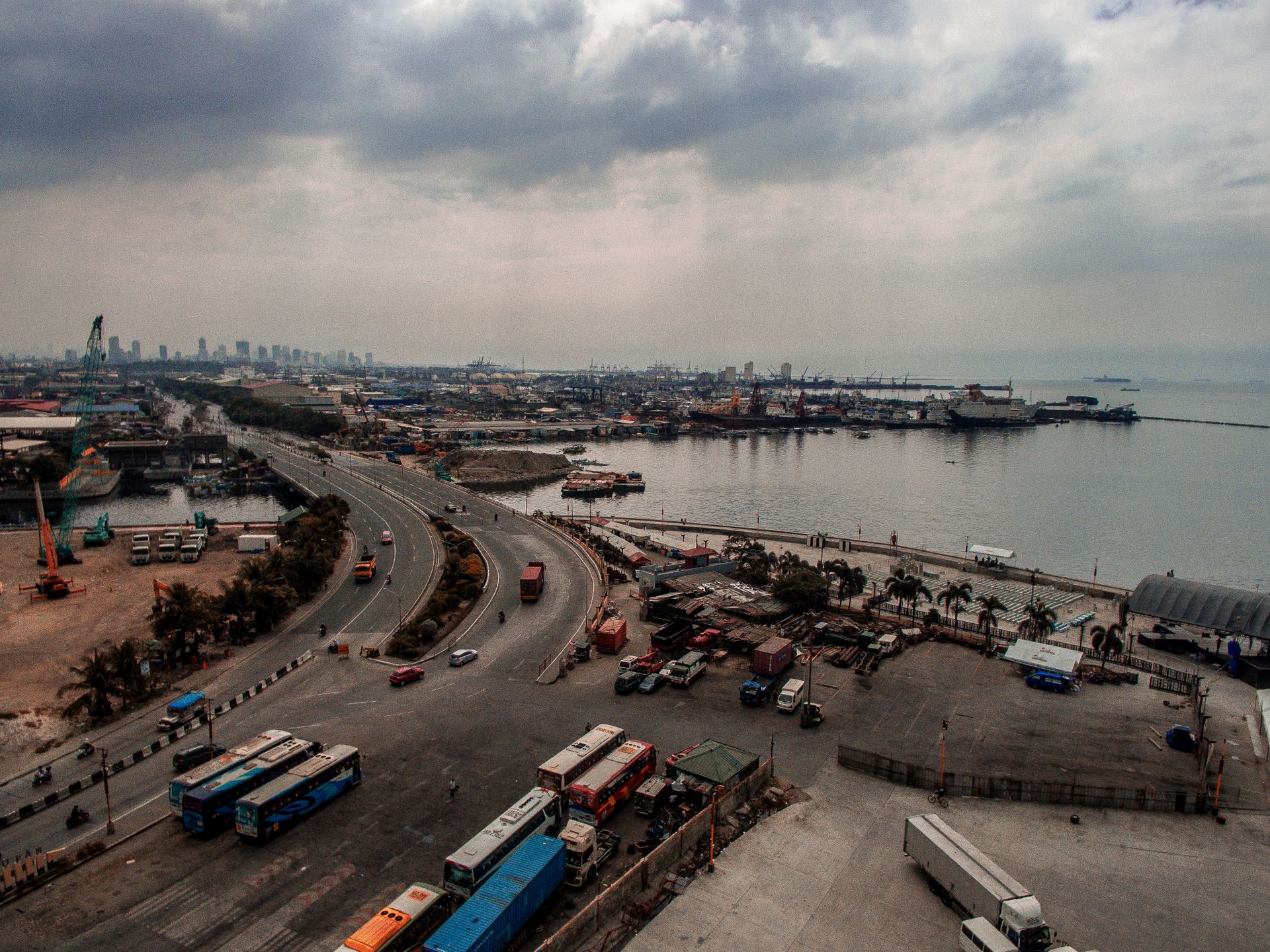
Japan to designate Philippines as 'top priority' partner for oil reserve support
Nikkei Asia reports that Tokyo will place the Philippines at the top of its strategic-oil-reserve support framework in Asia. The move aims to limit the impact of the Strait of Hormuz crisis on regional supply chains.

South Korean protesters demand election re-run after ballot shortage
According to the South China Morning Post, thousands of demonstrators in the South Korean cities of Daegu and Busan called for a re-run after alleging ballot shortages in last week's by-elections in certain districts. The National Election Commission has launched an investigation.
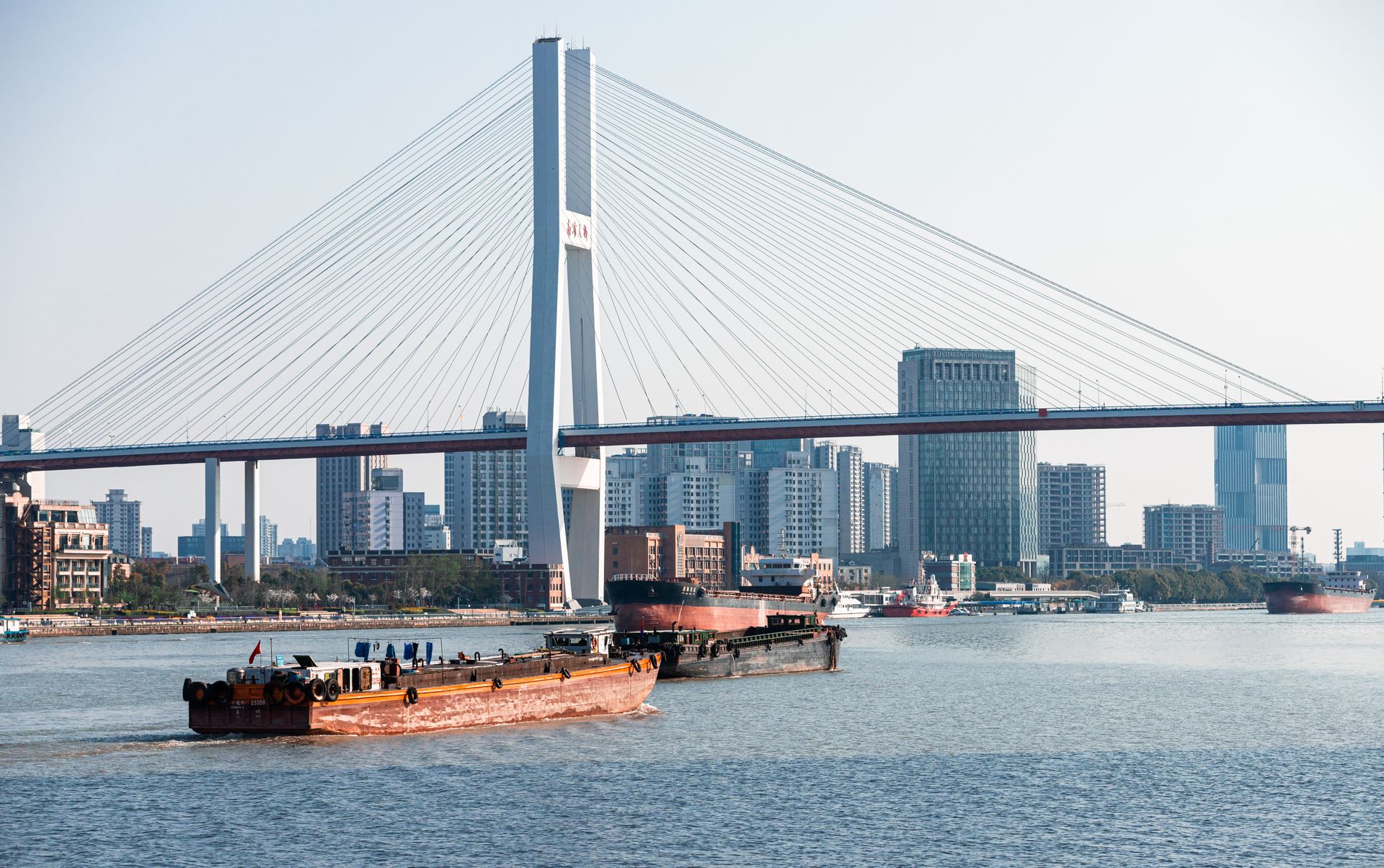
Hormuz crisis highlights China's unique oil strategy
According to Nikkei Asia, tensions in the Strait of Hormuz are exposing how Beijing's long-built model of multi-source supply and large strategic reserves gives it an edge over other major importers. China is managing a broad procurement portfolio across Russia, Saudi Arabia and Iran.