Japan to designate Philippines as 'top priority' partner for oil reserve support
Nikkei Asia reports that Tokyo will place the Philippines at the top of its strategic-oil-reserve support framework in Asia. The move aims to limit the impact of the Strait of Hormuz crisis on regional supply chains.
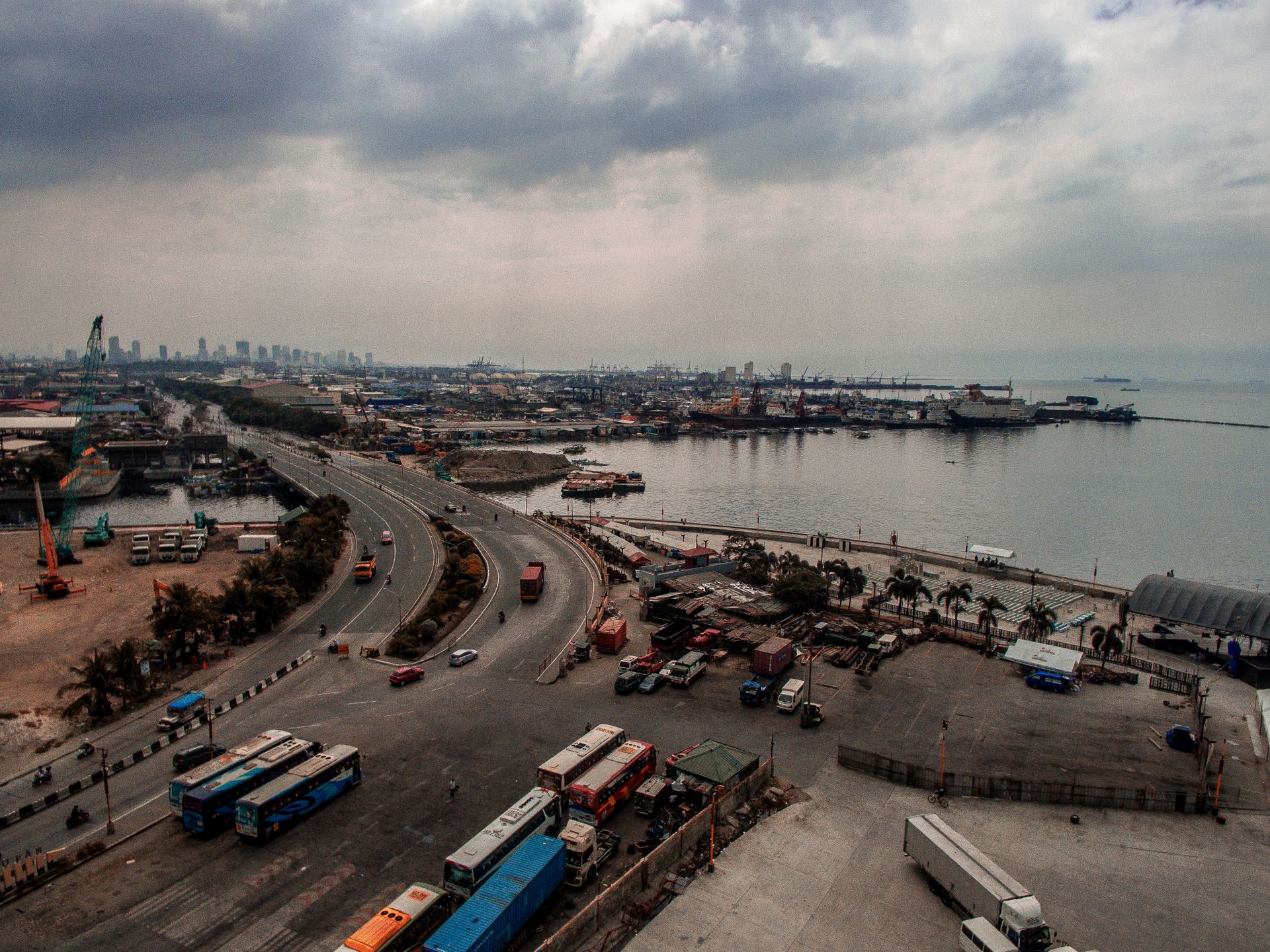
Nikkei Asia reported that the Japanese government will designate the Philippines as a 'top priority' partner under the strategic-oil-reserve support framework it is preparing for Asian allies if Strait of Hormuz tensions persist. The new framework includes technical assistance and low-interest credit lines to help Manila reach its ninety-day reserve target.
The decision is set against the backdrop of China's activities in the South China Sea and Asia's energy-security concerns after the Iran war. The Philippines sources roughly 80 percent of its crude oil imports from the Middle East and its domestic reserve covers about 23 days. Japan's own reserve capacity stands close to 200 days.
Analysts who spoke to Nikkei said the United States-led energy support could expand toward Taiwan and Vietnam. The framework is expected to be formally presented at the G7 energy ministers' meeting. This article is not investment advice.
More from Asia

Economic Times: rising fuel prices to strain Indian household budgets as West Asia crisis pushes crude above $100
Speaking to the Economic Times, a chief economist said that crude breaking above $100 will directly affect Indian fuel prices and inflation expectations. The Reserve Bank of India's foreign-exchange intervention toolbox remains active.

South Korean protesters demand election re-run after ballot shortage
According to the South China Morning Post, thousands of demonstrators in the South Korean cities of Daegu and Busan called for a re-run after alleging ballot shortages in last week's by-elections in certain districts. The National Election Commission has launched an investigation.
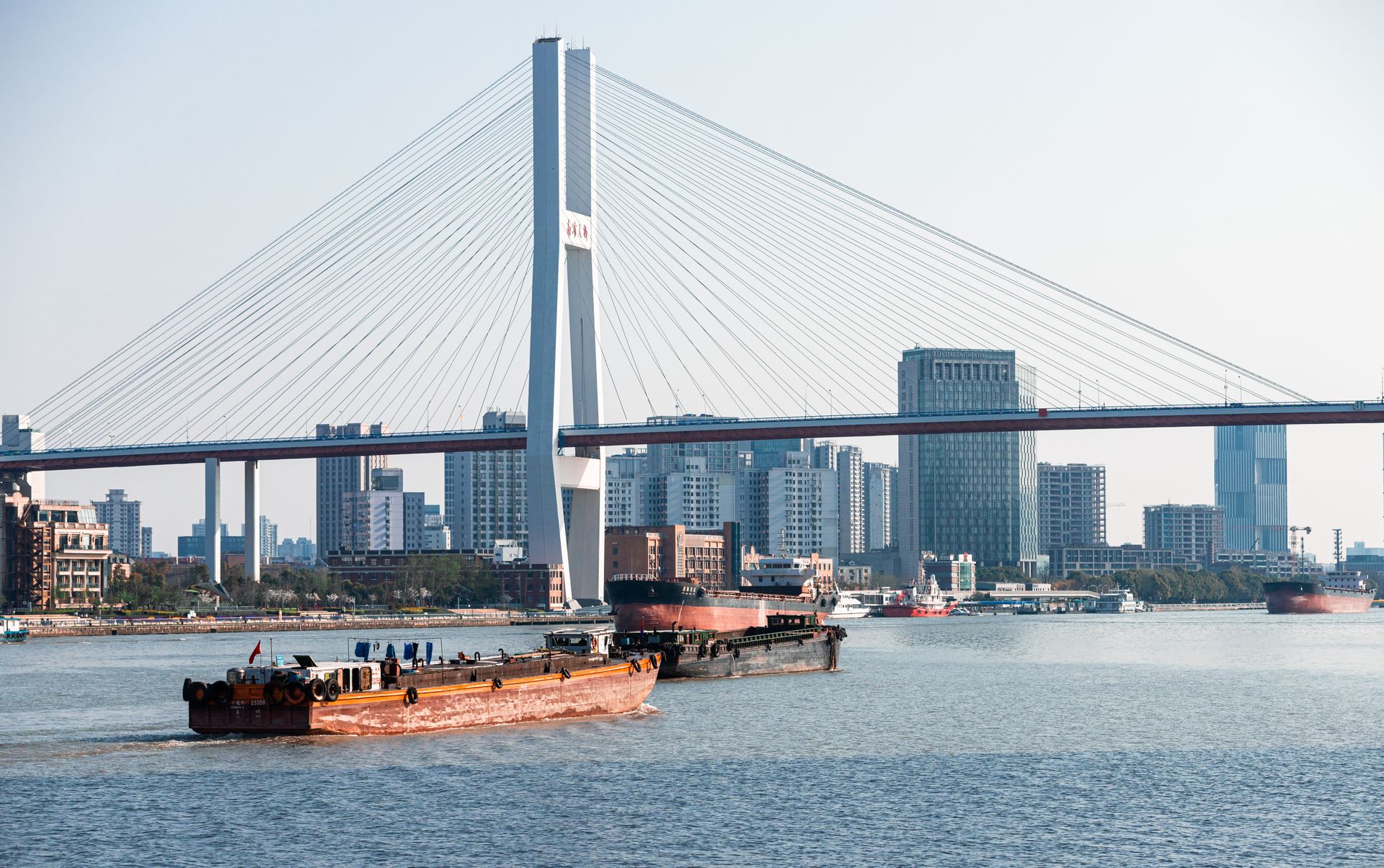
Hormuz crisis highlights China's unique oil strategy
According to Nikkei Asia, tensions in the Strait of Hormuz are exposing how Beijing's long-built model of multi-source supply and large strategic reserves gives it an edge over other major importers. China is managing a broad procurement portfolio across Russia, Saudi Arabia and Iran.