Three reasons ships have not yet returned to the Strait of Hormuz
According to the BBC, experts point to three obstacles preventing ship traffic in the Strait of Hormuz from returning to pre-war levels despite the US-Iran agreement: security concerns, sea mines and toll uncertainty. This is not investment advice.
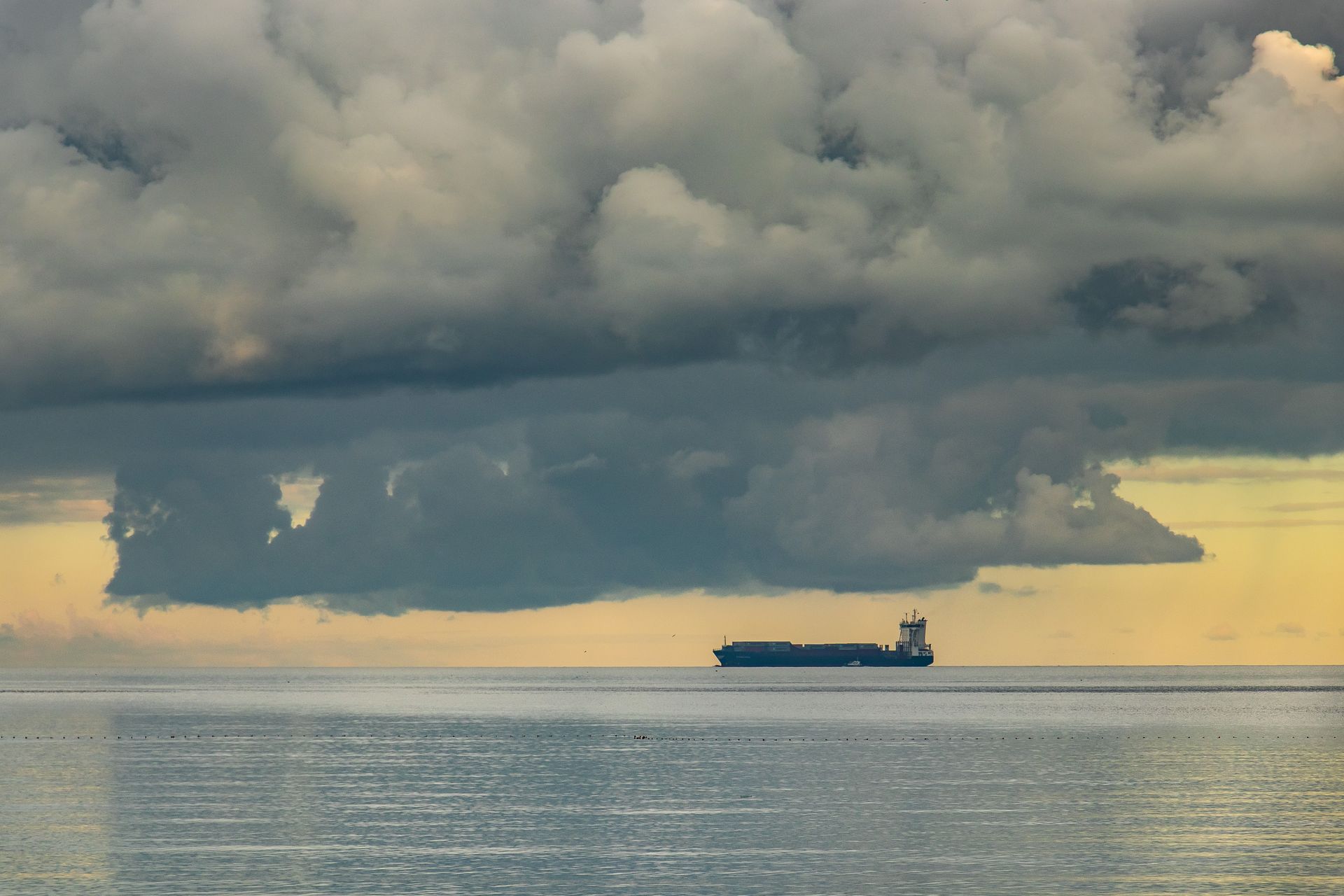
According to the BBC, despite the US-Iran deal, ship traffic through the Strait of Hormuz — a chokepoint for a sizeable share of global crude — has not returned to its pre-war levels. Experts point to three obstacles: security concerns over a possible flare-up, the slow process of clearing sea mines laid during the conflict, and uncertainty over Tehran's new transit fees.
Maritime insurance premiums remain elevated, with some tanker operators saying they have rerouted via the Indian Ocean as a precaution. Naval forces from the United Kingdom, the Netherlands and Norway are contributing to the mine clearance effort, the BBC notes.
For markets, these three factors will continue to drive oil-price volatility and disrupt LNG and chemical shipping flows. Real-time data suggest normalisation will take months rather than weeks, complicating energy supply forecasts for refiners and downstream users globally. This is not investment advice.
Read next

Palestinian Bedouins near Beersheba demolish own homes after Israeli orders
Al Jazeera reports that Palestinian Bedouins near Beersheba are demolishing their own homes after Israeli authorities issued demolition orders. Families say doing the work themselves is less costly than facing official demolition charges.

ASX set to slip, oil at 3-month low on reports US to ease Iran sanctions

Taiwan KMT leader Cheng Li-wun pitches Beijing approach in Washington

Somaliland president visits Israel's Knesset on official tour

Collapse of Franco-German fighter jet project exposes Europe's defence dilemma