Briefly the richest man alive: Andrew Carnegie and the rise of the 'tiny titan'
Andrew Carnegie was born in 1835 in the Scottish town of Dunfermline. His childhood was close to poverty, and his family emigrated to Pennsylvania in 1848. The story itself carries every element of a classic 19th-century migration narrative.
According to the biographical sketch summarised by HistoryExtra, Carnegie began his career as a telegraph messenger. He was 13; weekly wages were a few dollars. While working in the railway sector he came under the wing of an executive, Thomas A. Scott, and rose quickly within the company.
One of the pivotal decisions came when he saw the structural importance of steel production as the railway network expanded. The Bessemer process had made cheaper, sturdier steel possible; Carnegie set up a mill in Pittsburgh in the 1870s.
Carnegie Steel Company became the largest steel producer in the United States within a few years. In 1901, J.P. Morgan acquired it for $480 million — a record value for an acquisition of the era. Carnegie's personal share made him the richest man alive at that moment.
The real second act of Carnegie's story begins exactly here. He resolved to give away roughly 90% of his fortune during his lifetime. His 1889 essay 'The Gospel of Wealth' was the manifesto of that philosophy.
Carnegie's philanthropy operated with a logic: public libraries, universities, museums, organs. The construction of around 2,800 public libraries played a decisive role in democratising access to knowledge across the United States and Britain.
His legacy is not free of controversy. During the 1892 Homestead Strike, the hard-line policy of Carnegie Steel manager Henry Clay Frick led to deaths. Carnegie was in Scotland at the time; he was subsequently held responsible, but his direct involvement is not documented. The episode remains a bloody landmark in the history of capital-labour relations.
At the same time he devoted a serious budget to peace initiatives: in 1910 the Carnegie Endowment for International Peace was founded and remains active. The construction of the Peace Palace in The Hague was also made possible by a Carnegie donation.
In today's philanthropy debates — Bill Gates, Mackenzie Scott, Warren Buffett — Carnegie often emerges as a reference point. The modern equivalent of the 'distribute wealth before the end of life' idea lives on in the 'Giving Pledge' movement.
Vesper publishes this as a biographical history piece; for the economic and social background of Carnegie's era, HistoryExtra's original article and Pittsburgh-era sources will guide interested readers further.
Read next
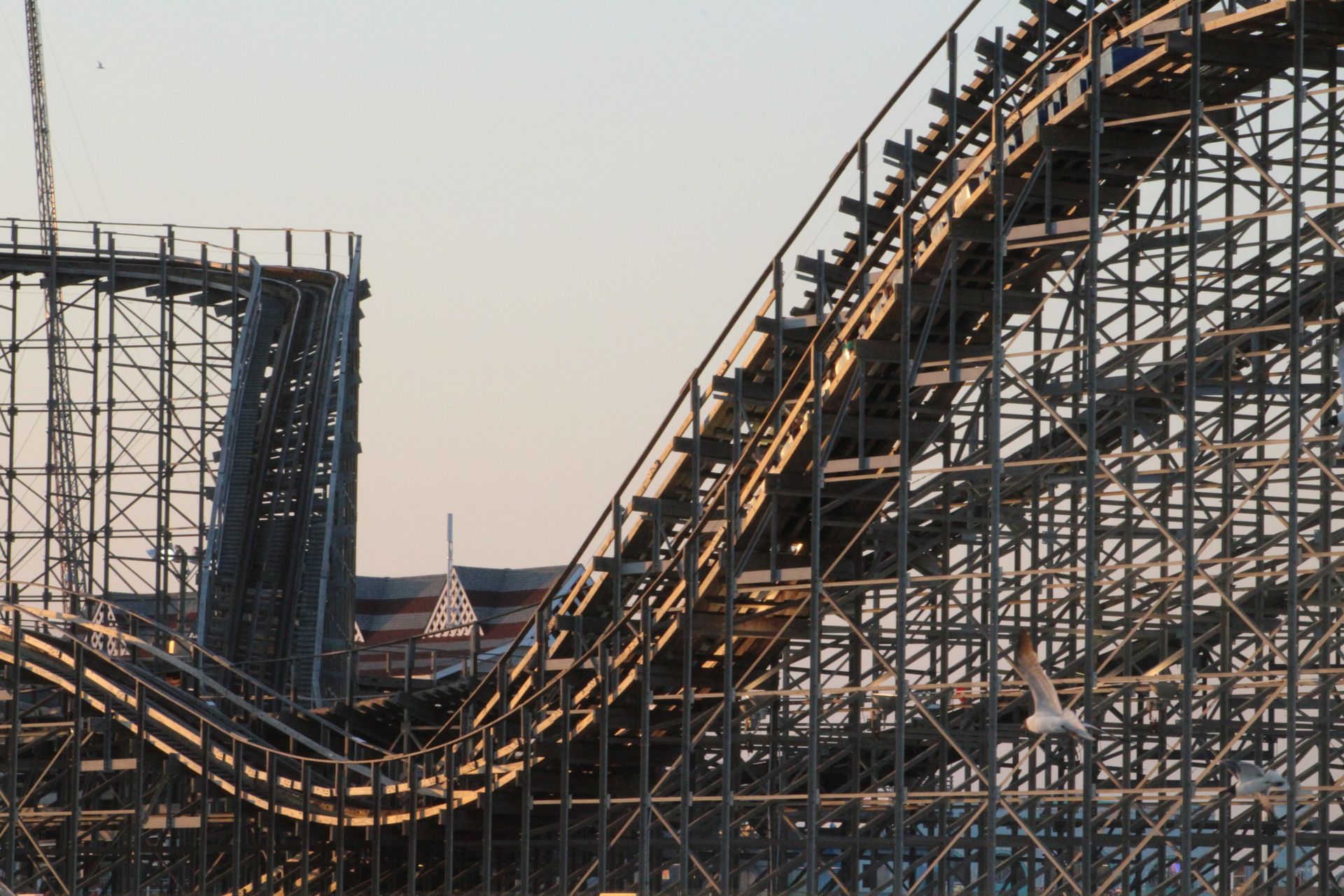
The wooden way: a Pennsylvania pilgrimage through the golden age of roller coasters
Atlas Obscura traces a journey across Pennsylvania's surviving historic wooden roller coasters. The fact that century-old wooden structures remain in operation is a striking story in both engineering and cultural memory.
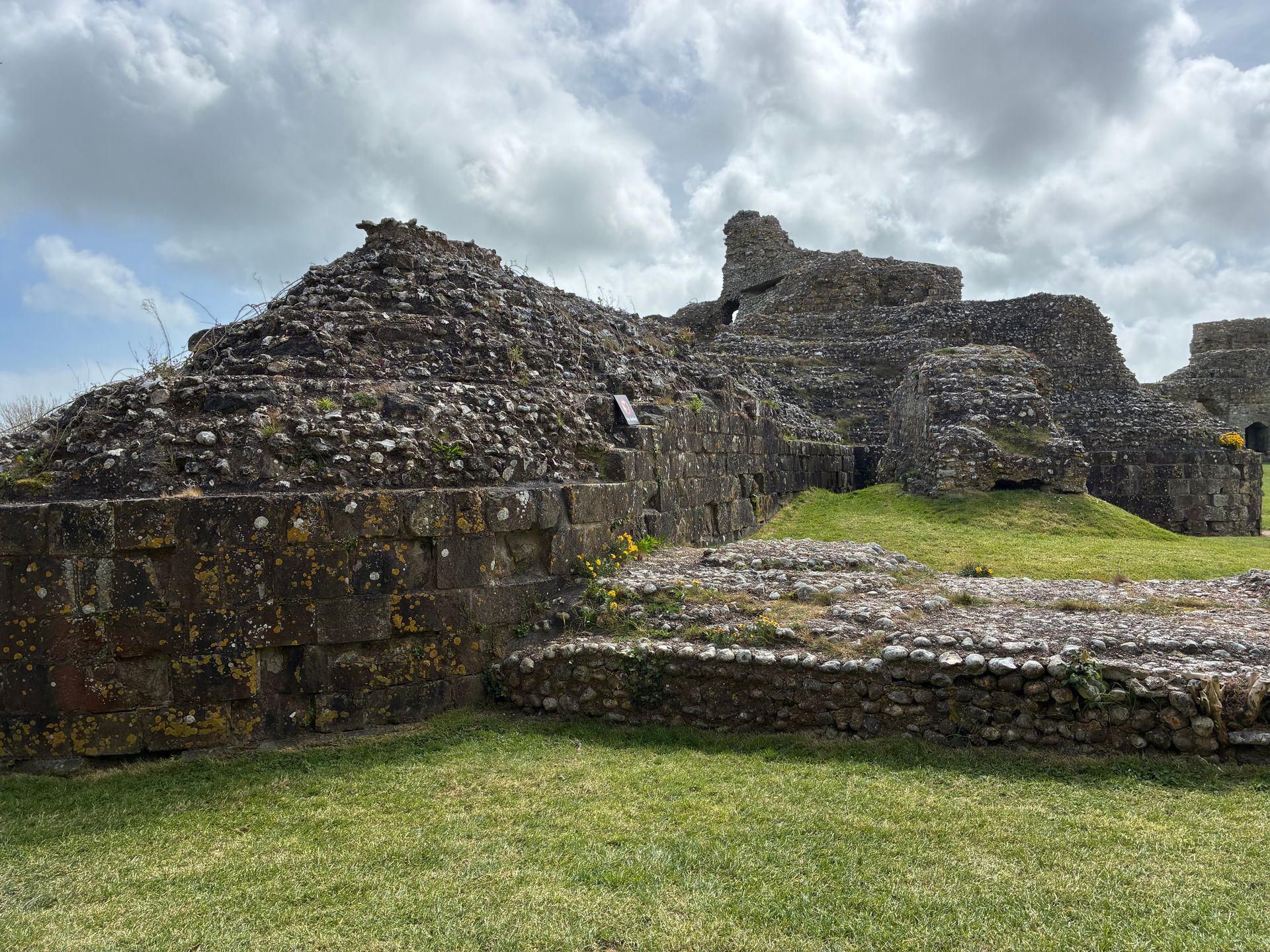
Was the Anglo-Saxon king Offa really as bad as history makes out?
The Anglo-Saxon king Offa is often remembered as cruel and reckless. A fresh reading summarised by HistoryExtra revisits his decisions in the political map of his era and shows how the 'bad king' legend was constructed.

Twin Peaks Drive-In in Hood River: a last witness of America's drive-in cinema culture
Twin Peaks Drive-In in the small Oregon town of Hood River is one of the last examples of a fading American drive-in cinema tradition. Atlas Obscura tells the story of how this culture took shape in the 1950s suburbs and why it slowly disappeared.

The poem that sparked a 1970s Britain blasphemy trial: how the Gay News case ended
In 1976 a single poem dropped the UK into the middle of a blasphemous libel trial. The case against Gay News opened debates that ran through press freedom, gay rights and the revival of a law that had not been used for nearly a century.

Seven of history's greatest heartthrobs: the love affairs, the fans and the tragic ends
Long before pop culture, history had its heartthrobs: actors, generals, romantic poets and revolutionaries who drew screaming crowds, scandalous affairs and often tragic ends. HistoryExtra picks seven of them, and what their stories reveal about the shape of fame.