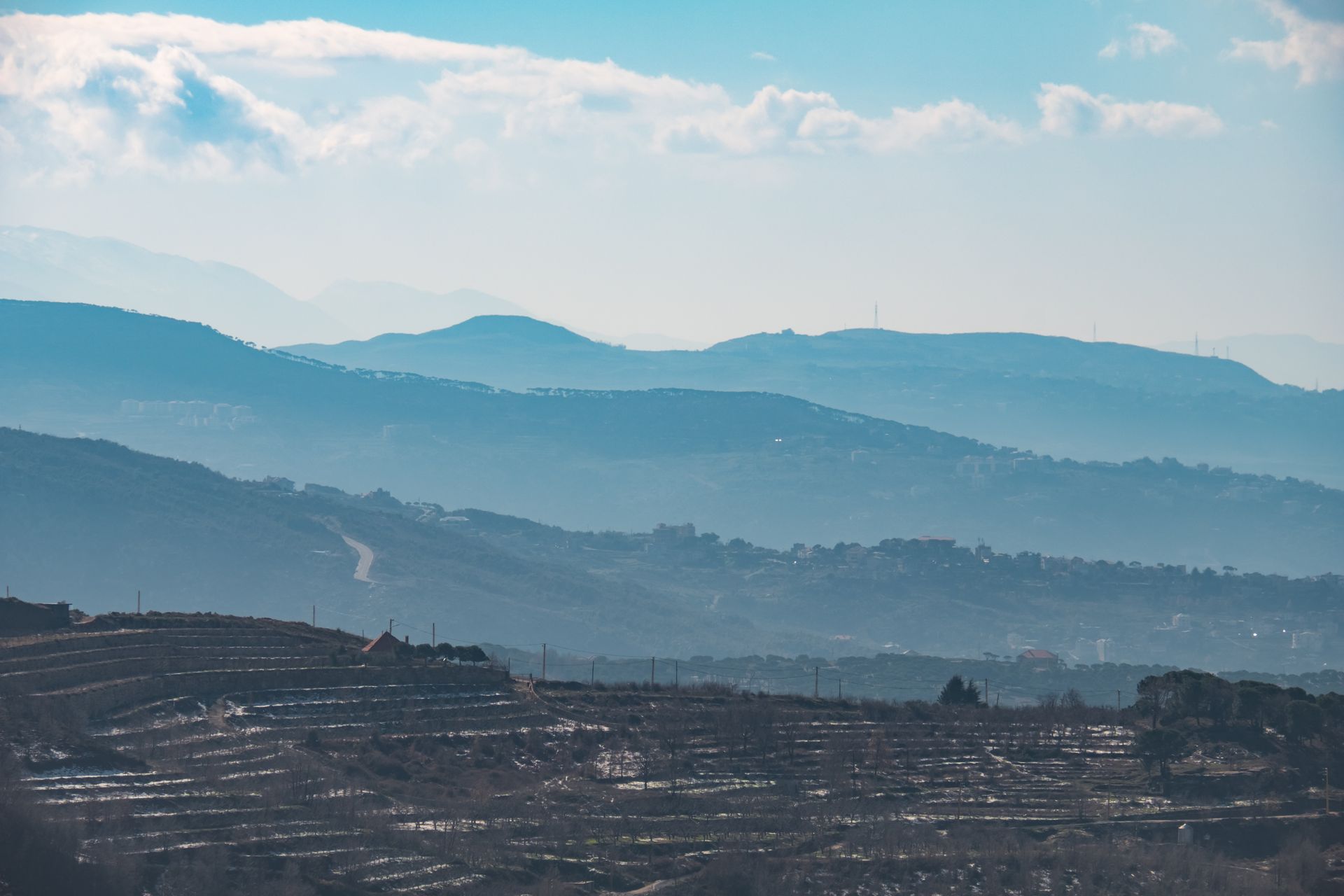
Was the Anglo-Saxon king Offa really as bad as history makes out?
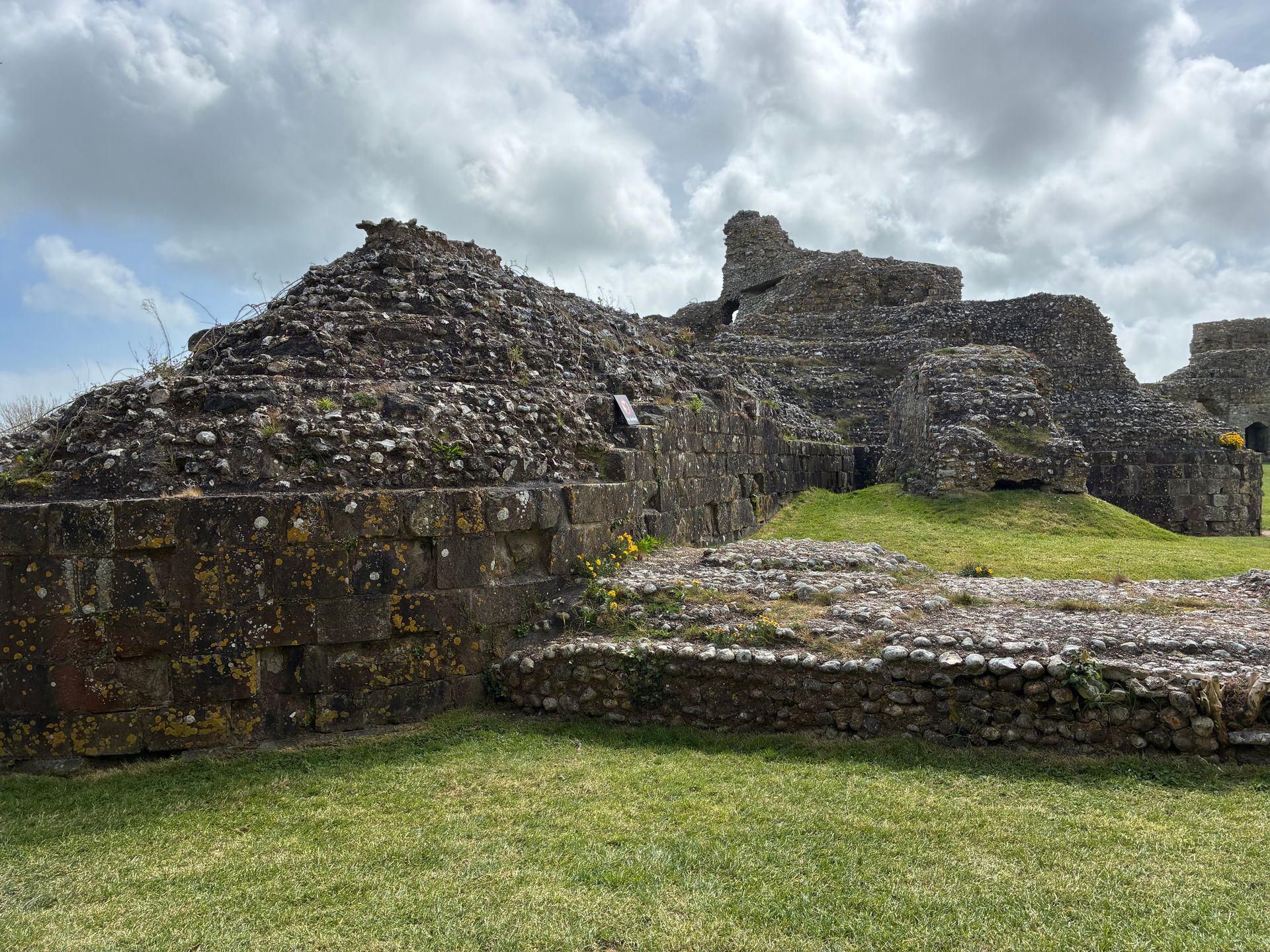
Offa reigned as king of Mercia from 757 to 796. Mercia was a powerful kingdom covering much of what is now the English Midlands, in political rivalry with Northumbria to the north and Wessex to the south.
The scholarly conversation summarised by HistoryExtra is now reopening the question of how Offa came to be remembered as 'saint-killer, warmonger, tyrant'. A good deal of that portrait comes from later chronicling traditions, particularly the work attached to the monastery of St Albans.
The central event that hardened Offa's reputation is the 794 execution of King Aethelberht of East Anglia. The internal detail is murky: some sources point to Offa's queen Cynethryth as orchestrating the plot, others read it as a straightforward political purge.
At the same time, Offa's nation-building decisions are now widely recognised. His standardisation of Mercian coinage, the notable diplomatic parity he achieved with Charlemagne, and the construction of Offa's Dyke all sit awkwardly inside a flat 'tyranny' narrative.
Offa's Dyke, still traceable today along the England-Wales border, is a massive boundary work. Roughly 240 kilometres long, it is thought to have served both military and administrative functions. A public construction of that scale, by the standards of medieval Europe, demanded serious institutional capacity.
In his relations with the church, Offa is remembered as both attractive and repellent. On the one hand he elevated Lichfield to archiepiscopal status to balance the power of Canterbury; on the other he opened a bold diplomatic channel with the papacy. Those moves fit a 'strategist' rather than a 'tyrant'.
A point historians stress is the nature of the surviving evidence. The number of written documents from the eighth century is limited; most of what we read are later generations' interpretations. That makes any moralising biography far less reliable than a document-based one.
To see how moral judgments accumulated over time, the Norman-era chronicles matter too. After the Norman Conquest, the assessment of Anglo-Saxon kings settled into a 'darkness then light' template that flattened figures like Offa.
Contemporary scholarship now resists the 'good or bad' binary. It reads Offa instead as a kingdom-builder, an alliance-broker and, undoubtedly, a ruthless rival, set inside the political realities of his era. That is a much firmer starting point for understanding eighth-century England from today.
Vesper publishes this piece as context for general history reading; for the detail of the scholarly debate, the HistoryExtra original and standard academic works on the period will guide interested readers further.
Read next
Briefly the richest man alive: Andrew Carnegie and the rise of the 'tiny titan'
Andrew Carnegie was briefly the richest man alive at the peak of his fortune in 1901. A biographical sketch summarised by HistoryExtra traces how a poor Scottish immigrant built a steel empire and then turned to a vast philanthropic second act.
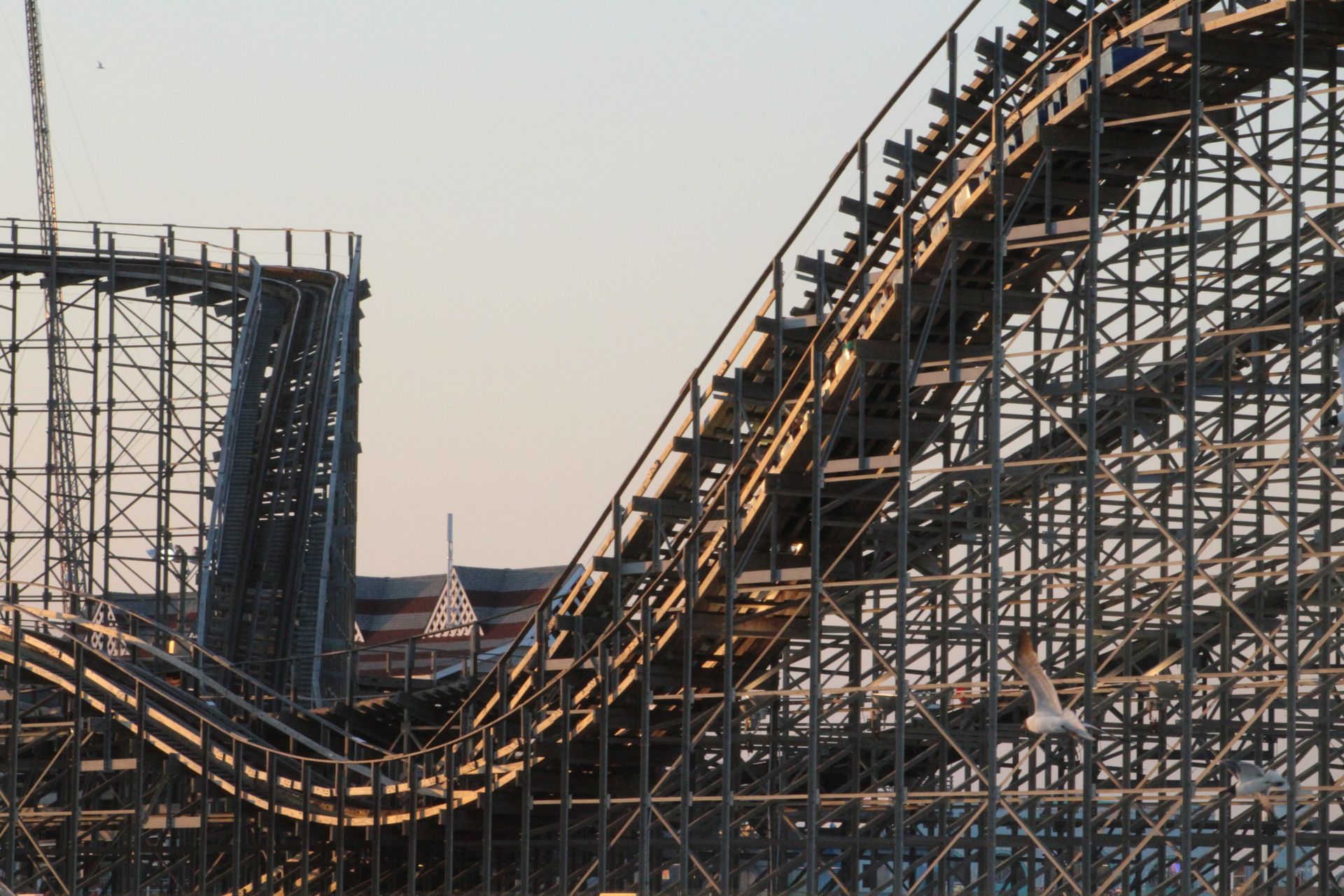
The wooden way: a Pennsylvania pilgrimage through the golden age of roller coasters
Atlas Obscura traces a journey across Pennsylvania's surviving historic wooden roller coasters. The fact that century-old wooden structures remain in operation is a striking story in both engineering and cultural memory.

Twin Peaks Drive-In in Hood River: a last witness of America's drive-in cinema culture
Twin Peaks Drive-In in the small Oregon town of Hood River is one of the last examples of a fading American drive-in cinema tradition. Atlas Obscura tells the story of how this culture took shape in the 1950s suburbs and why it slowly disappeared.
The poem that sparked a 1970s Britain blasphemy trial: how the Gay News case ended
In 1976 a single poem dropped the UK into the middle of a blasphemous libel trial. The case against Gay News opened debates that ran through press freedom, gay rights and the revival of a law that had not been used for nearly a century.
Seven of history's greatest heartthrobs: the love affairs, the fans and the tragic ends
Long before pop culture, history had its heartthrobs: actors, generals, romantic poets and revolutionaries who drew screaming crowds, scandalous affairs and often tragic ends. HistoryExtra picks seven of them, and what their stories reveal about the shape of fame.