Seven of history's greatest heartthrobs: the love affairs, the fans and the tragic ends

Fame, often thought of as a modern invention of pop culture, is in fact very old. Throughout history politicians, poets, generals and stage performers have drawn crowds, fed scandal sheets and often died young in tragic circumstances. HistoryExtra's selection brings together seven figures who most resemble modern celebrity worship — and across centuries, the pattern looks remarkably familiar.
First is the Roman general and statesman Julius Caesar. Caesar was as famous for his military victories as for his romantic reputation. His affairs with figures such as Cleopatra and Servilia shaped Senate life and decades of political rivalry. Fame both elevated and undid him; he was stabbed in the Senate in 44 BC.
Second is the 16th-century English stage star Richard Burbage. His leading roles in Shakespeare's plays — Hamlet, Othello, King Lear — made him London's most sought-after actor. Audiences who could not get into the Theatre were said to brawl at the doors.
Third is the English poet Lord Byron. In the early 19th century Byron is widely regarded as one of the first true examples of the modern "celebrity." His verse, his scandalous affairs, his exile and his decision to volunteer in the Greek War of Independence turned him into a cult figure across Europe. He died at 36 of fever at Missolonghi.
Fourth is the Hungarian composer and pianist Franz Liszt. His mid-19th century recitals in Vienna and Paris triggered a hysteria among female audiences that contemporaries called "Lisztomania." Gloves were torn off, handkerchiefs hidden and concerts ended in waves of screams — early documented examples of modern fan culture.
Fifth is the Italian opera tenor Enrico Caruso. In the early 20th century, as phonograph records spread worldwide, Caruso became one of the first truly global music stars whose voice reached people who would never see him. He died of pneumonia in 1921 at the age of 48; hundreds of thousands attended his funeral.
Sixth is Hollywood silent-era icon Rudolph Valentino. Cast as the first cinematic embodiment of the "Latin lover" archetype, Valentino was famously remembered for fainting fans. His death from peritonitis in 1926 at 31 unleashed scenes the tabloid press of the day called "mass mourning."
Seventh is the 1960s Liverpool band The Beatles. Unlike the single figures above, the Beatles formed the modern template for group fame, and earned the term "Beatlemania" during their 1964 US tour. The audio of screaming crowds at concert venues and airports marks an important transition in the documented history of the "fan scream" since Liszt's era.
The common thread across these seven figures is that the fan base is not just a result of success; it is also a function of the constructed image. Even without Caesar's military victories, a specific type — defiant, rule-breaking, turning their own life into a performance — has consistently shaped the fame template.
Another point historians highlight is the tragic-ending pattern. Byron, Caruso, Valentino and Beatles member John Lennon are among the figures who died young or were directly targeted by violence. The relationship between intense fan adoration and pressure on private life lines up with contemporary psychological readings of modern celebrity.
Reading the heartthrob figure historically shows that the mechanisms we tend to credit to pop culture are far older. Communication technologies have changed and crowds have grown, but the human tendency to identify with and magnify specific figures has held steady. These seven biographies place that familiar pattern side by side.
Read next

Twin Peaks Drive-In in Hood River: a last witness of America's drive-in cinema culture
Twin Peaks Drive-In in the small Oregon town of Hood River is one of the last examples of a fading American drive-in cinema tradition. Atlas Obscura tells the story of how this culture took shape in the 1950s suburbs and why it slowly disappeared.

The poem that sparked a 1970s Britain blasphemy trial: how the Gay News case ended
In 1976 a single poem dropped the UK into the middle of a blasphemous libel trial. The case against Gay News opened debates that ran through press freedom, gay rights and the revival of a law that had not been used for nearly a century.
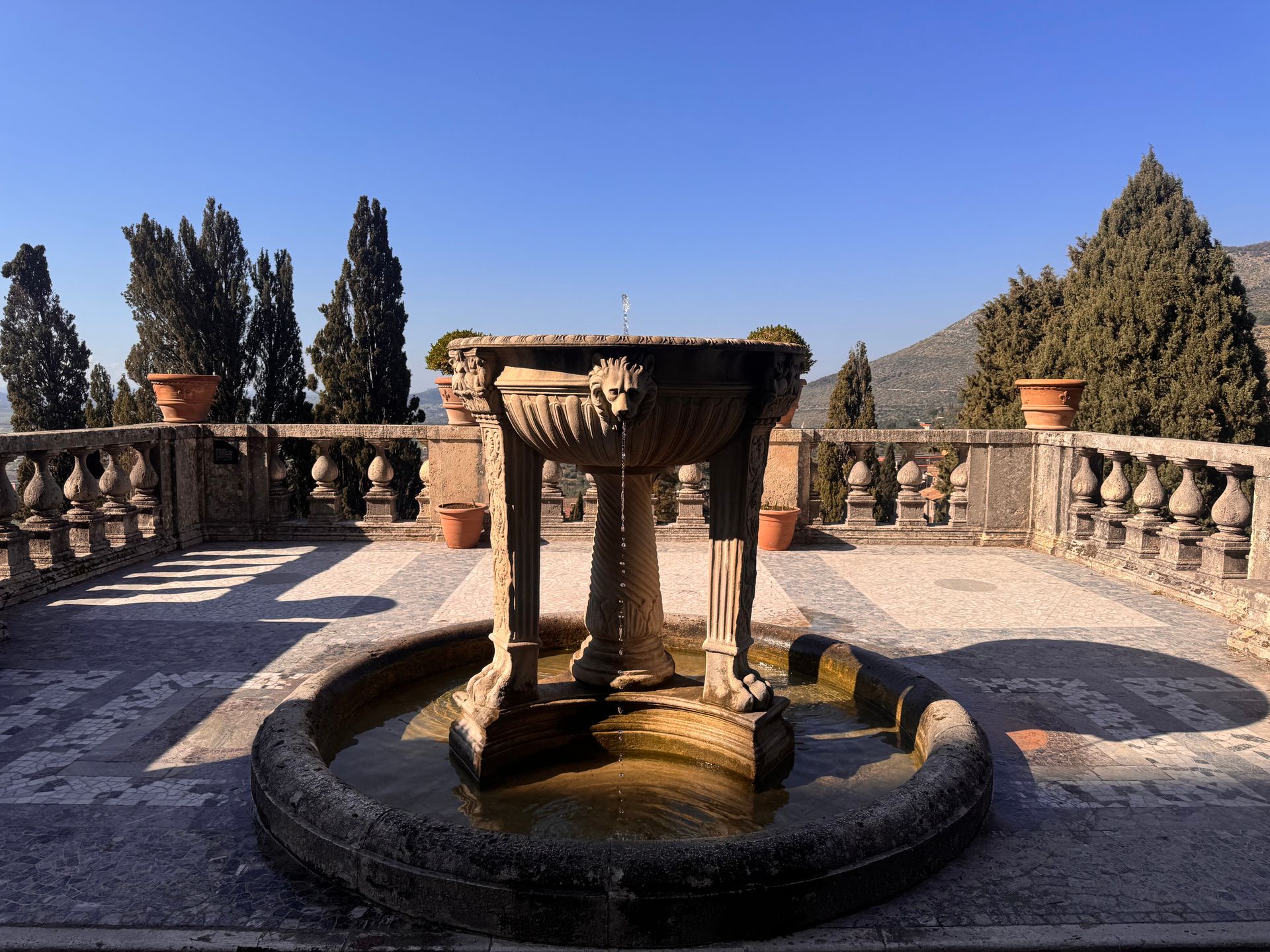
Florence's Fountain of Bacchino: a Renaissance work where city water meets allegory
Florence's Fountain of Bacchino is a small but telling piece of the city's Renaissance water infrastructure. The sculpture is also a concrete example of the political-allegorical language developed under Medici patronage.

Cerne Abbey: the 1,000-year story of an English monastic ruin
Cerne Abbey, in the village of Cerne Abbas in Dorset, holds the remains of a Benedictine monastery founded in 987. Henry VIII's Dissolution of the Monasteries flattened most of the buildings; the surviving gardens and ruins now form a small cultural pilgrimage.

British intelligence and Cold War disinformation: the story of the Information Research Department
The Information Research Department, set up by the British government in 1948, was a little-known unit running disinformation operations through the Cold War. A new HistoryExtra feature examines how it worked and the historiographical debate it has left behind.
