The poem that sparked a 1970s Britain blasphemy trial: how the Gay News case ended
In 1976 a short poem published in the United Kingdom became the country's last major blasphemous libel trial. The poem was James Kirkup's "The Love That Dares to Speak Its Name," framing homosexual experience within Christian iconography. It appeared in issue 96 of Gay News, a weekly aimed at the LGBT community. HistoryExtra's account makes the case a rare intersection of law, press freedom and questions of social identity.
The case was initiated by Mary Whitehouse, then one of Britain's best-known moral campaigners. Whitehouse was founder of the National Viewers' and Listeners' Association, which had run sustained campaigns against the BBC and other institutions. She brought a private criminal prosecution against Gay News editor Denis Lemon and the paper's publishing company.
The legal instrument used was striking: the 1697 Blasphemous Libel Act, which criminalised written attacks on religious values and had not been used since 1922. Whitehouse's legal team argued that the law had not lapsed simply because it was disused, and revived the judicial machinery.
The trial was heard in 1977 at the Old Bailey. The defence argued that the poem rested on a literary exercise, carried no intent of religious insult, and that homosexual experience was a legitimate literary subject. The prosecution responded that the statute treated the act of publication itself as the offence, not intent. The judge accepted that reading — a decisive legal turning point on the way to conviction.
Denis Lemon was sentenced to nine months in prison (later suspended) and a fine. Gay News's publishing company paid £1,000 (approximately £7,000 in today's money). The conviction shook press-freedom advocates and the LGBT community.
The appeal process ran into 1979. The House of Lords upheld the legal interpretation by majority but left serious dissenting opinions. Whether the offence rested on the objective fact of publication or the subjective intent of the publisher remained a question in legal literature for years.
The case produced two public consequences. The first was a broad debate over whether a blasphemy law was compatible with a modern liberal democracy in Britain. The second was a sharpened awareness in the LGBT community of the need for public visibility and stronger legal foundations. Stonewall, founded in 1989 as a legal advocacy organisation, inherited that legacy.
The blasphemy law remained on paper for another 30 years. In 2008 the offences of blasphemy and blasphemous libel were finally abolished in England and Wales, a significant step in shifting Britain's legal frame from the protection of religious values to the prioritisation of expressive freedom. Scotland passed similar reform in 2024.
The lesson the Gay News case carries is about the symbolic power of law and the long timescales of social change. A single poem, an editor and a private criminal prosecution became the starting point of a nearly half-century legal reform process. The case also reminds us that supposedly disused laws are never quite "dead" and can be revived under the right political conditions.
This episode sits at a frontier of British legal history: it shows how a single poem could gather the moral, literary and legal tensions of an era into one judicial process and reflect them back to society.
Read next

Twin Peaks Drive-In in Hood River: a last witness of America's drive-in cinema culture
Twin Peaks Drive-In in the small Oregon town of Hood River is one of the last examples of a fading American drive-in cinema tradition. Atlas Obscura tells the story of how this culture took shape in the 1950s suburbs and why it slowly disappeared.

Seven of history's greatest heartthrobs: the love affairs, the fans and the tragic ends
Long before pop culture, history had its heartthrobs: actors, generals, romantic poets and revolutionaries who drew screaming crowds, scandalous affairs and often tragic ends. HistoryExtra picks seven of them, and what their stories reveal about the shape of fame.
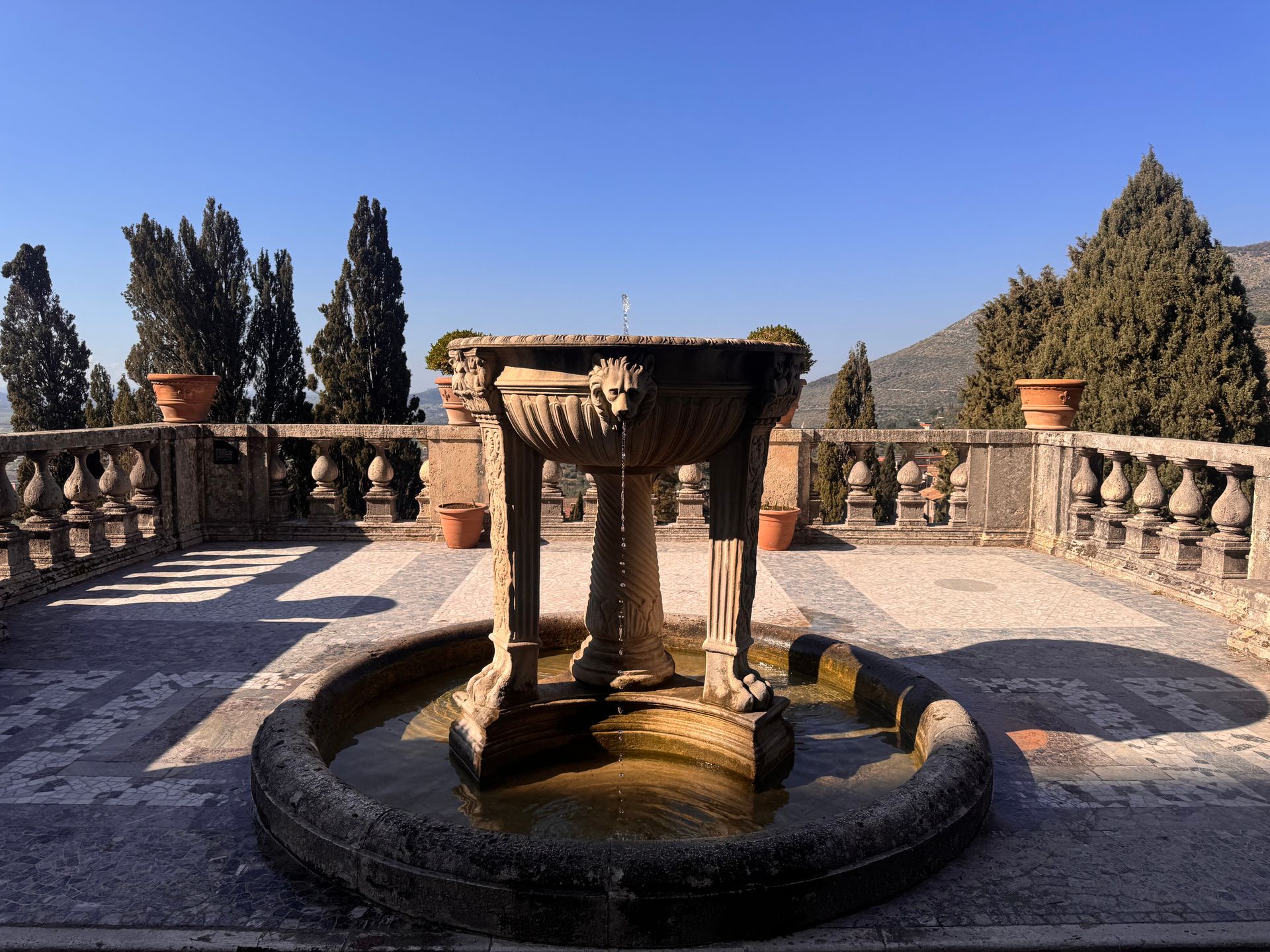
Florence's Fountain of Bacchino: a Renaissance work where city water meets allegory
Florence's Fountain of Bacchino is a small but telling piece of the city's Renaissance water infrastructure. The sculpture is also a concrete example of the political-allegorical language developed under Medici patronage.
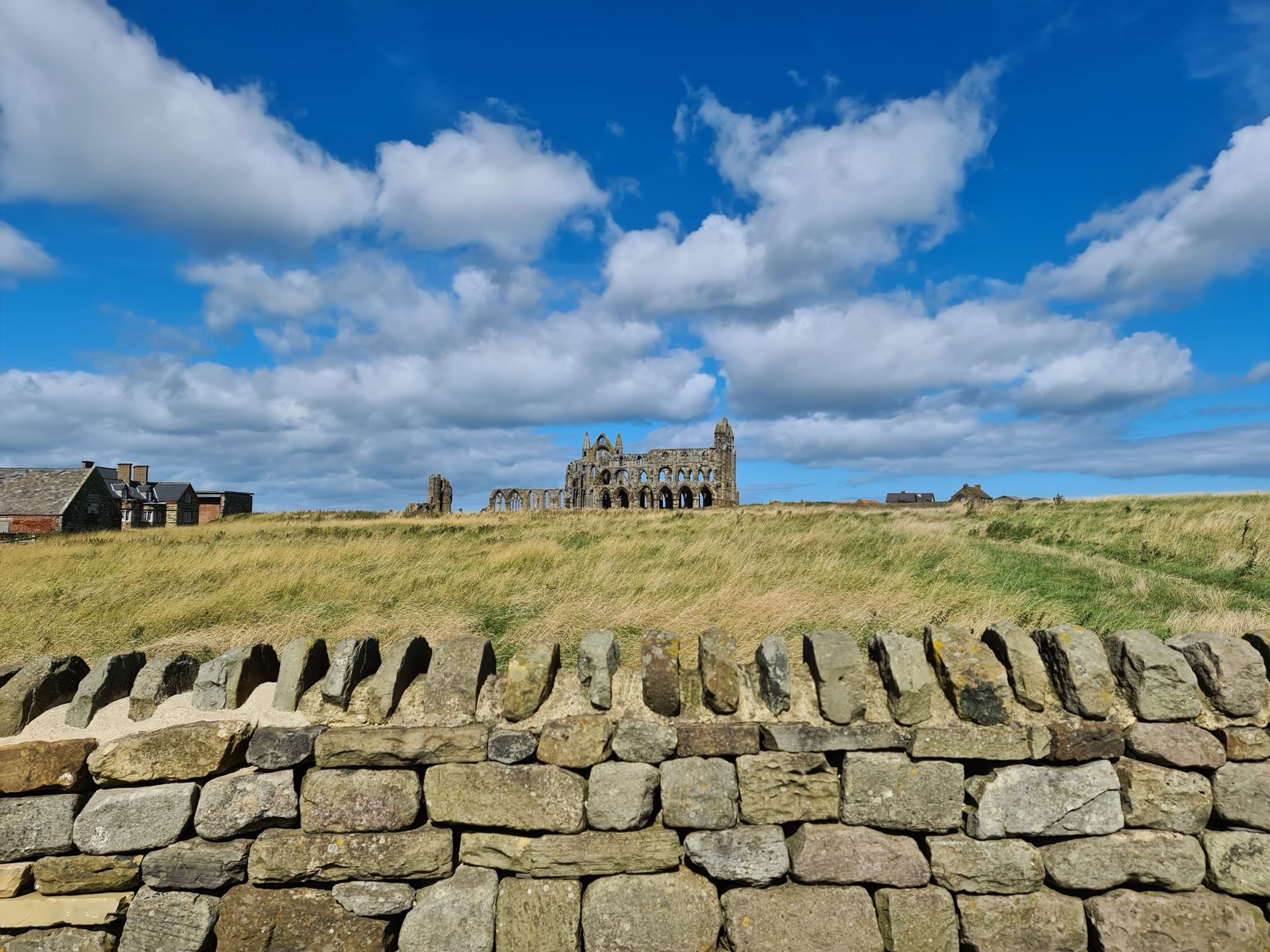
Cerne Abbey: the 1,000-year story of an English monastic ruin
Cerne Abbey, in the village of Cerne Abbas in Dorset, holds the remains of a Benedictine monastery founded in 987. Henry VIII's Dissolution of the Monasteries flattened most of the buildings; the surviving gardens and ruins now form a small cultural pilgrimage.

British intelligence and Cold War disinformation: the story of the Information Research Department
The Information Research Department, set up by the British government in 1948, was a little-known unit running disinformation operations through the Cold War. A new HistoryExtra feature examines how it worked and the historiographical debate it has left behind.
