Twin Peaks Drive-In in Hood River: a last witness of America's drive-in cinema culture
On a small road in Hood River, Oregon, a town in the Columbia River Gorge, a sign reads "Twin Peaks Drive-In." Today, with US drive-in numbers down to three digits, this is one of the last witnesses of a particular mid-20th-century American way of life. Atlas Obscura's portrait of this small-town venue is in fact a wider cultural history.
The drive-in began in 1933 at its first example in New Jersey. Its founder, Richard Hollingshead, first tried in his backyard, then at commercial scale, the idea of cinema that could be set up in front of homes from a vehicle. By the mid-1950s the United States had more than 4,000 drive-ins. The boom coincided with the post-war suburban explosion, mass car ownership and family-oriented entertainment.
The experience's mechanics were straightforward: you parked in a marked spot, hooked the sound system either to a small speaker hung in the window or tuned to a designated FM frequency. After dusk a giant screen would show a double bill, usually starting with a family-friendly film before an adult feature.
Culturally, the drive-in served three functions at once. It offered affordable entertainment to families with small children. It created a social space for teenagers. And it acted as an extra distribution channel for studios in small towns with limited screen counts.
Decline took hold from the 1970s. Television and home video — VHS sales in the 1980s — eroded the case to leave home in the evening. Land values rose, and the wide open lots a drive-in needs lost out to shopping centres as suburbia thickened. The single-screen format was also at a marketing disadvantage against multiplex cinemas.
Today the United Drive-in Theatre Owners Association puts the number of active drive-ins at around 300. Twin Peaks Drive-In is on that short list. The venue programmes mostly family films and classics on summer weekend evenings. Its season usually opens around Memorial Day and closes in mid-October.
The town itself plays a role in preserving the culture. Hood River, situated in the natural wind corridor created by the Columbia, is a globally recognised destination for water sports and takes in many more visitors than its residents each summer. Drive-in nights serve as a meeting point for locals and visitors alike.
A detail Atlas Obscura highlights is the choice of name. Twin Peaks is shorthand from David Lynch's 1990 TV series; nearby Mt. Hood and Mt. Adams are the two peaks on the sign. Architecturally the venue retains its original 1950s aesthetic: a giant white screen, neon signage, a wide gravelled parking lot and a small snack bar.
Drive-ins have drawn fresh interest beyond the US in recent years. During the COVID-19 pandemic, with classical cinemas closed in many countries, the open-air drive-in experience saw a temporary revival; after normalisation, interest dropped again. Even so, venues like Twin Peaks have endured as cultural niches.
The value of this small Hood River operation is not just as a kind of cinema; it is also as a tangible object of a particular American social moment. The cars in the lot, the screen glowing after dark, the sound from a speaker — they offer a visual and acoustic copy of the 1950s American suburban dream. If drive-ins disappear entirely, the physical version of that dream will close with them.
That is exactly why Atlas Obscura records these places: to hold on, in time, to witnesses that slowly disappear yet help us understand how a culture saw itself. Twin Peaks Drive-In is one of those witnesses now on record.
Read next
The poem that sparked a 1970s Britain blasphemy trial: how the Gay News case ended
In 1976 a single poem dropped the UK into the middle of a blasphemous libel trial. The case against Gay News opened debates that ran through press freedom, gay rights and the revival of a law that had not been used for nearly a century.
Seven of history's greatest heartthrobs: the love affairs, the fans and the tragic ends
Long before pop culture, history had its heartthrobs: actors, generals, romantic poets and revolutionaries who drew screaming crowds, scandalous affairs and often tragic ends. HistoryExtra picks seven of them, and what their stories reveal about the shape of fame.
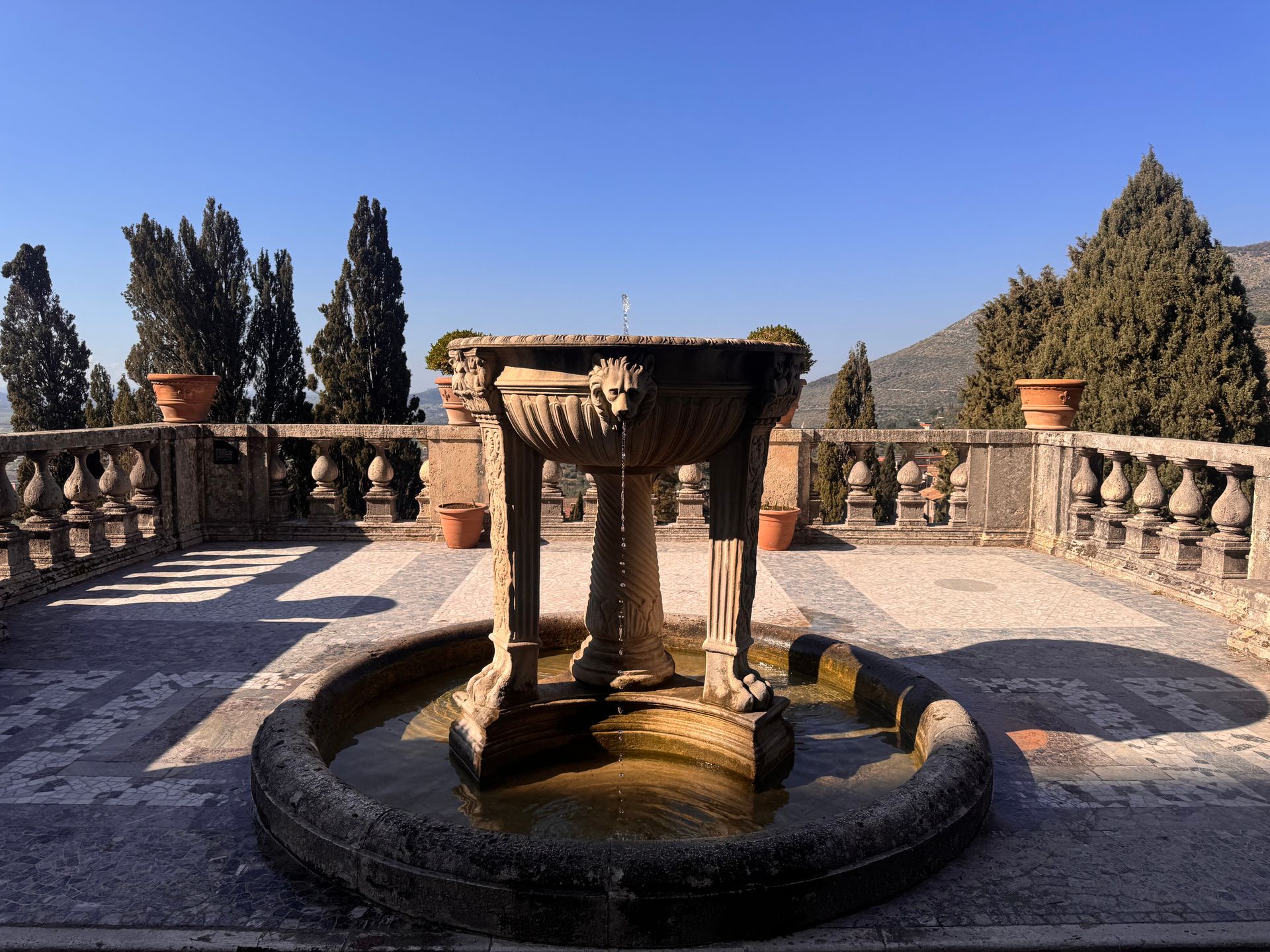
Florence's Fountain of Bacchino: a Renaissance work where city water meets allegory
Florence's Fountain of Bacchino is a small but telling piece of the city's Renaissance water infrastructure. The sculpture is also a concrete example of the political-allegorical language developed under Medici patronage.
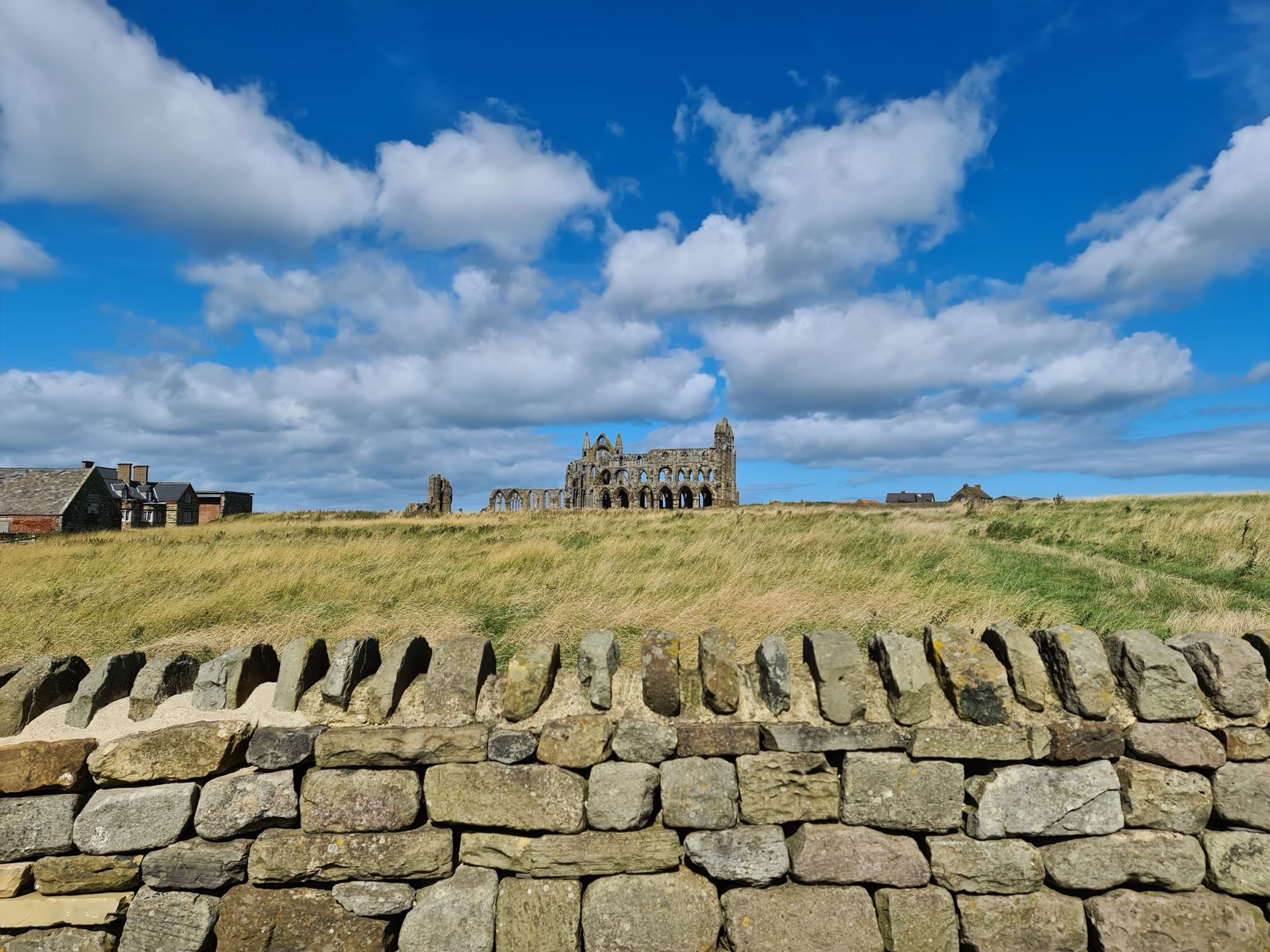
Cerne Abbey: the 1,000-year story of an English monastic ruin
Cerne Abbey, in the village of Cerne Abbas in Dorset, holds the remains of a Benedictine monastery founded in 987. Henry VIII's Dissolution of the Monasteries flattened most of the buildings; the surviving gardens and ruins now form a small cultural pilgrimage.

British intelligence and Cold War disinformation: the story of the Information Research Department
The Information Research Department, set up by the British government in 1948, was a little-known unit running disinformation operations through the Cold War. A new HistoryExtra feature examines how it worked and the historiographical debate it has left behind.
