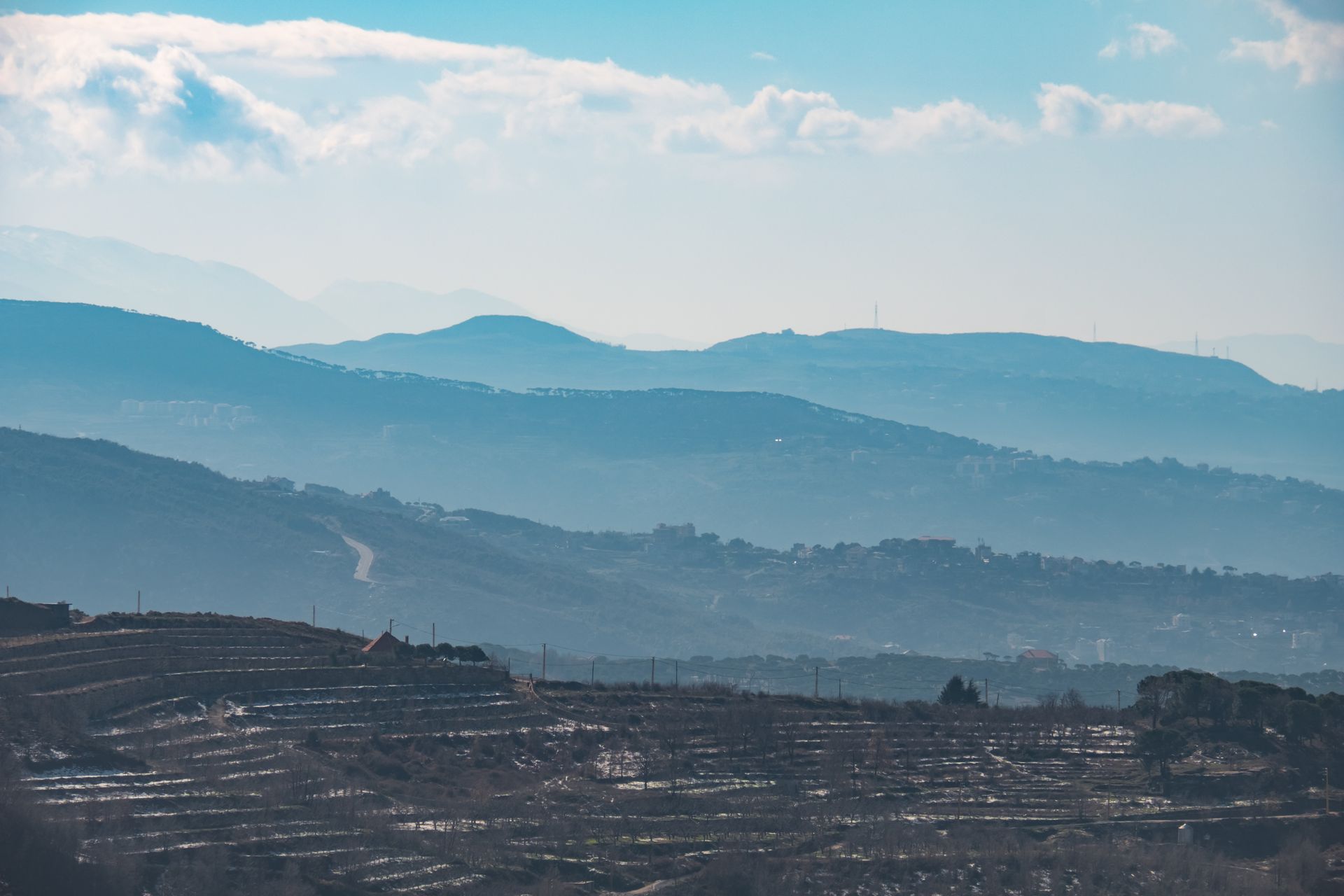
The wooden way: a Pennsylvania pilgrimage through the golden age of roller coasters
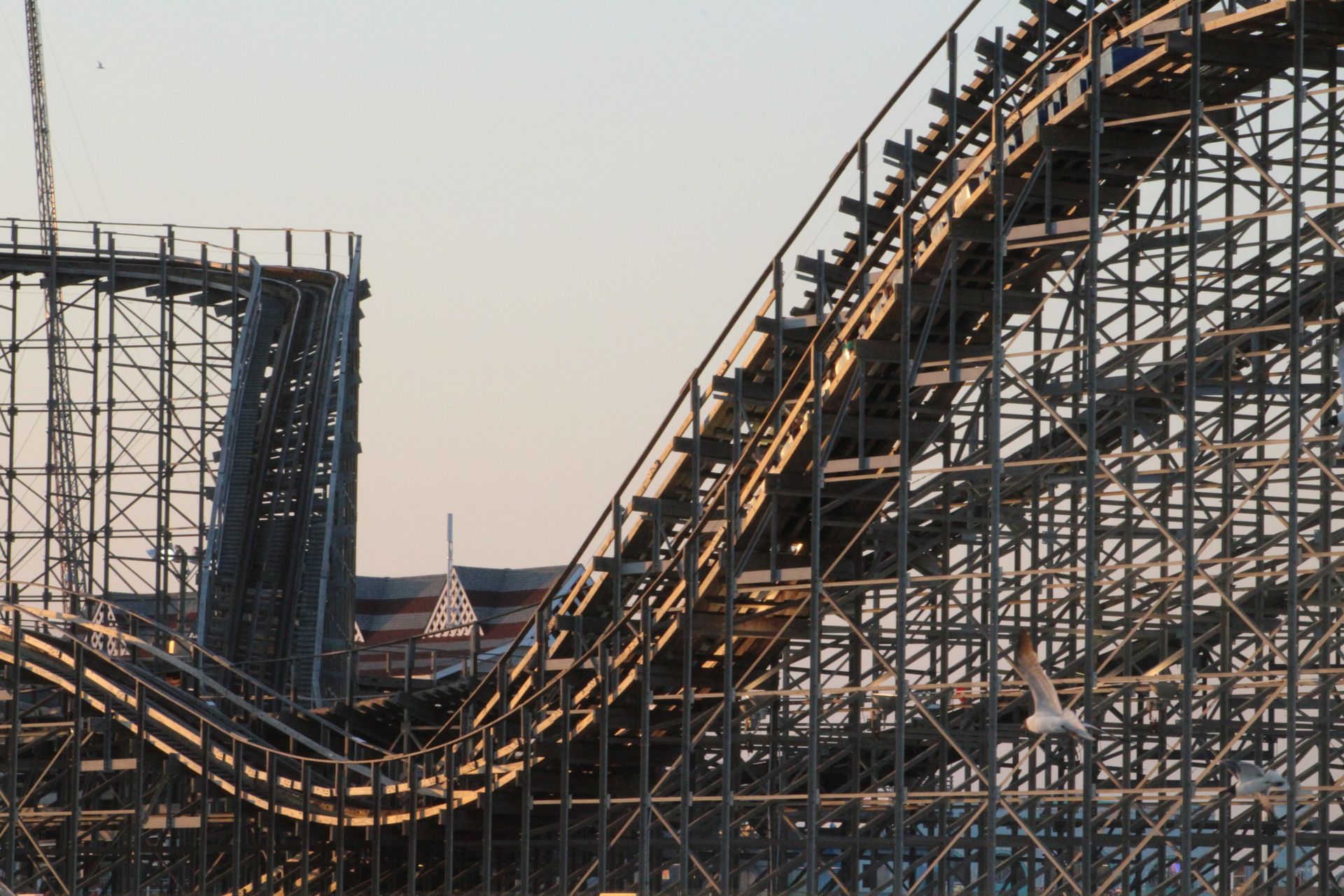
In early 20th-century America, the roller coaster was many ordinary people's first taste of motorised thrills. Pennsylvania was one of the geographic heartlands of that experience.
The 'wooden way' itinerary shared by Atlas Obscura traces a handful of wooden coasters that have survived for more than a century. Unlike Beech Bend in Kentucky or Bayonne in New Jersey, Pennsylvania has uniquely preserved this kind of wooden bridge craft.
The first stop is Kennywood. The historic park near Pittsburgh is home to early-era coasters bearing names like 'Jack Rabbit' (1920) and 'Thunderbolt' (1924). Timber remains the main structural material on the rails.
Knoebels, set in the mountainous terrain of north-eastern Pennsylvania, pushes the wooden tradition even further into the foreground. The 'Phoenix', somewhat ironically, was dismantled piece by piece at another park and rebuilt on this site in 1985. It preserves the original lines of designer Herbert Schmeck's 1947 work.
The appeal of a wooden coaster runs beyond nostalgia. Unlike their steel cousins, wooden designs tolerate small structural movements and give a 'living' feel — they respond to temperature, humidity and the cars passing over them. Riders call those micro-movements 'good creak'.
From an engineering perspective the case is not simple. Wood is not as long-lived as steel; it demands regular inspection, area repairs and partial rebuilds. Running these structures is the work of a team, not a single carriage.
Maintenance traditions have been passed down across generations. Knoebels keeps detailed records of which crew replaced which section in each season since the 1970s. It is a rare intersection of oral history and engineering log.
Culturally, wooden coasters are one of the few shared rituals small-town America has retained. Generational change is visible in most parks: a grandmother teaches a grandchild to ride the same carriage in which her own grandmother once taught her.
Preservation is shaped by structural engineering as much as by legal safety requirements. In the US, historic roller coasters can benefit from 'engineering landmark' status, giving restoration a more flexible framework.
Vesper publishes this piece as a history read. For readers planning a trip to Pennsylvania, the original Atlas Obscura article offers a park-by-park itinerary.
Read next
Briefly the richest man alive: Andrew Carnegie and the rise of the 'tiny titan'
Andrew Carnegie was briefly the richest man alive at the peak of his fortune in 1901. A biographical sketch summarised by HistoryExtra traces how a poor Scottish immigrant built a steel empire and then turned to a vast philanthropic second act.
Was the Anglo-Saxon king Offa really as bad as history makes out?
The Anglo-Saxon king Offa is often remembered as cruel and reckless. A fresh reading summarised by HistoryExtra revisits his decisions in the political map of his era and shows how the 'bad king' legend was constructed.
Twin Peaks Drive-In in Hood River: a last witness of America's drive-in cinema culture
Twin Peaks Drive-In in the small Oregon town of Hood River is one of the last examples of a fading American drive-in cinema tradition. Atlas Obscura tells the story of how this culture took shape in the 1950s suburbs and why it slowly disappeared.
The poem that sparked a 1970s Britain blasphemy trial: how the Gay News case ended
In 1976 a single poem dropped the UK into the middle of a blasphemous libel trial. The case against Gay News opened debates that ran through press freedom, gay rights and the revival of a law that had not been used for nearly a century.

Seven of history's greatest heartthrobs: the love affairs, the fans and the tragic ends
Long before pop culture, history had its heartthrobs: actors, generals, romantic poets and revolutionaries who drew screaming crowds, scandalous affairs and often tragic ends. HistoryExtra picks seven of them, and what their stories reveal about the shape of fame.