Why the largest-ever US-Philippine drill, and Japan's role in it, is making China uneasy
The expansion of the largest-ever joint US-Philippine military exercise to include Japan's observer-partner status is drawing Beijing's response. The Balikatan 2026 exercise has begun in Manila with observer delegations from 18 countries. SCMP relays the Chinese Foreign Ministry's 'extremely concerning' reaction.

The Manila-based Balikatan 2026 joint exercise began as the largest in 39 years with the participation of 16,500 US troops and 9,200 Philippine troops. According to SCMP, Japan's inclusion for the first time this year in 'observer-partner' status and the presence of observer delegations from a total of 18 countries including Australia, India, South Korea, the United Kingdom and France drew Beijing's response. Chinese Foreign Ministry spokesperson Mao Ning said at a press conference that 'the scope and geographic location of these exercises are extremely concerning; they undermine the regional security balance'.
The exercise is being conducted across islands between Palawan to the west of the South China Sea and the Batanes Islands to the north; scenarios include amphibious landing defence, logistical support under naval blockade and unmanned aircraft counter operations. Philippine Chief of Staff General Brawner said 'the goal of the exercise is not a specific country; it is to test the operational readiness of regional security'. US Indo-Pacific Commander Admiral Aquilino said 'Japan's participation is the operational reality of the multilateral security architecture on the ground'.
Wilson Center China Studies Director Robert Daly analysed that 'Japan's observer-partner status is a signal of step-by-step tighter coordination; it becomes harder for Beijing to manage northern and eastern fronts at the same time'. The ASEAN+3 foreign ministers meeting will be held in Jakarta on 12 June; South China Sea Code of Conduct negotiations are on the agenda.
More from Asia

India raises diesel and petrol prices for third time in 8 days amid US-Iran tensions
India's oil marketing companies (IOC, BPCL, HPCL) raised petrol and diesel prices by ₹2.40 and ₹2.80 respectively on Friday, marking the third increase in 8 days. Brent staying above $102, the tense US-Iran ceasefire and the rupee weakening to 87.40 against the dollar have intensified cost pressure, with central bank policy meeting in June adding uncertainty.
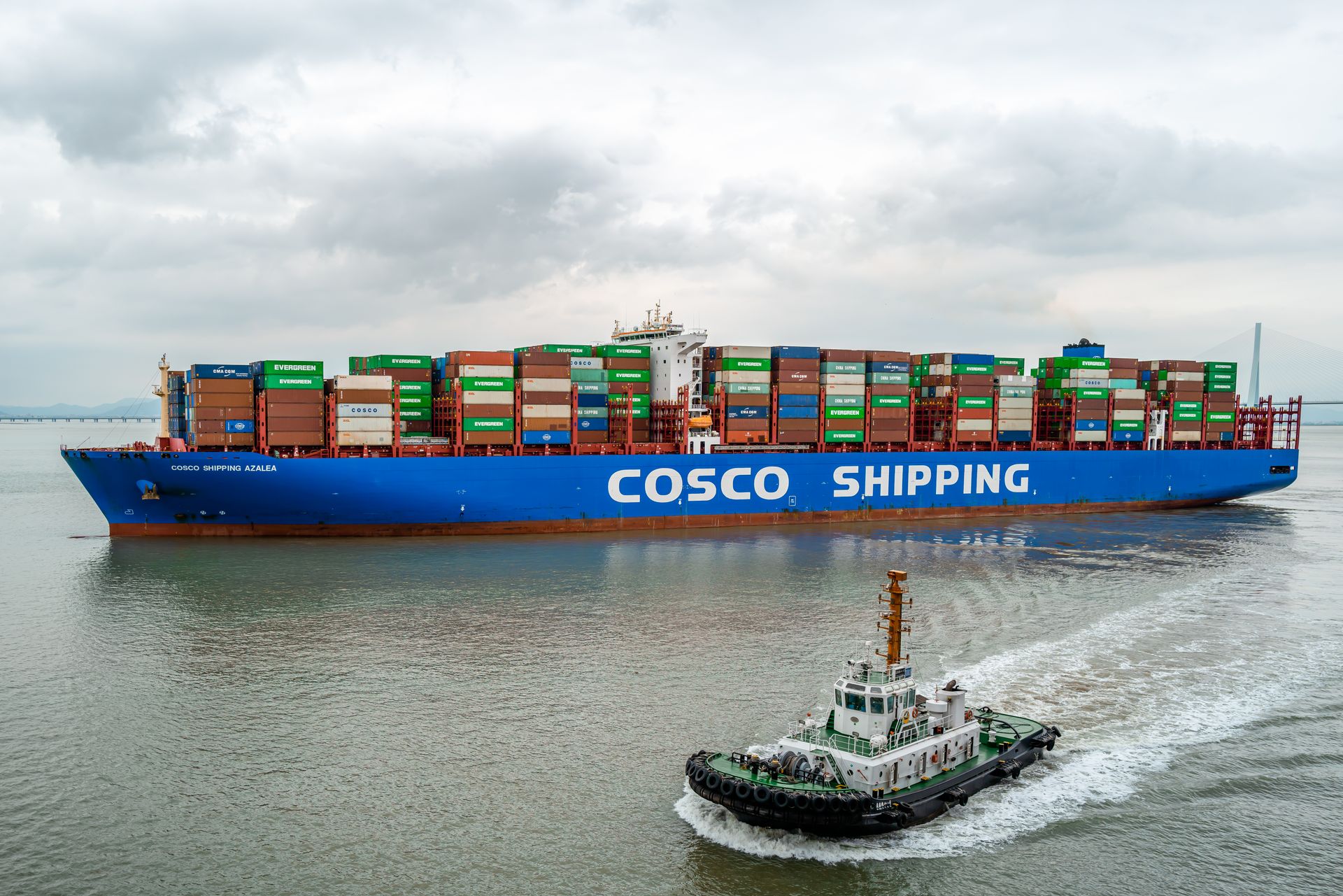
Japan to bolster sea lane defence with Southeast Asia info-sharing plan
Japan will set up a broad maritime information-sharing framework with Southeast Asian countries, led by the Philippines, Vietnam and Indonesia. With the Hormuz crisis and South China Sea tensions in the background, Tokyo is moving to protect critical trade lanes.
Pakistani PM Sharif visits China, with Middle East mediation on the agenda
Pakistani Prime Minister Shehbaz Sharif's two-day official visit to Beijing on Friday placed Pakistan's US-Iran mediation role and the Second Phase of the China-Pakistan Economic Corridor (CPEC, around $7.8 billion) at the centre of the agenda. Sharif met President Xi Jinping and signed seven agreements with Premier Li Qiang.